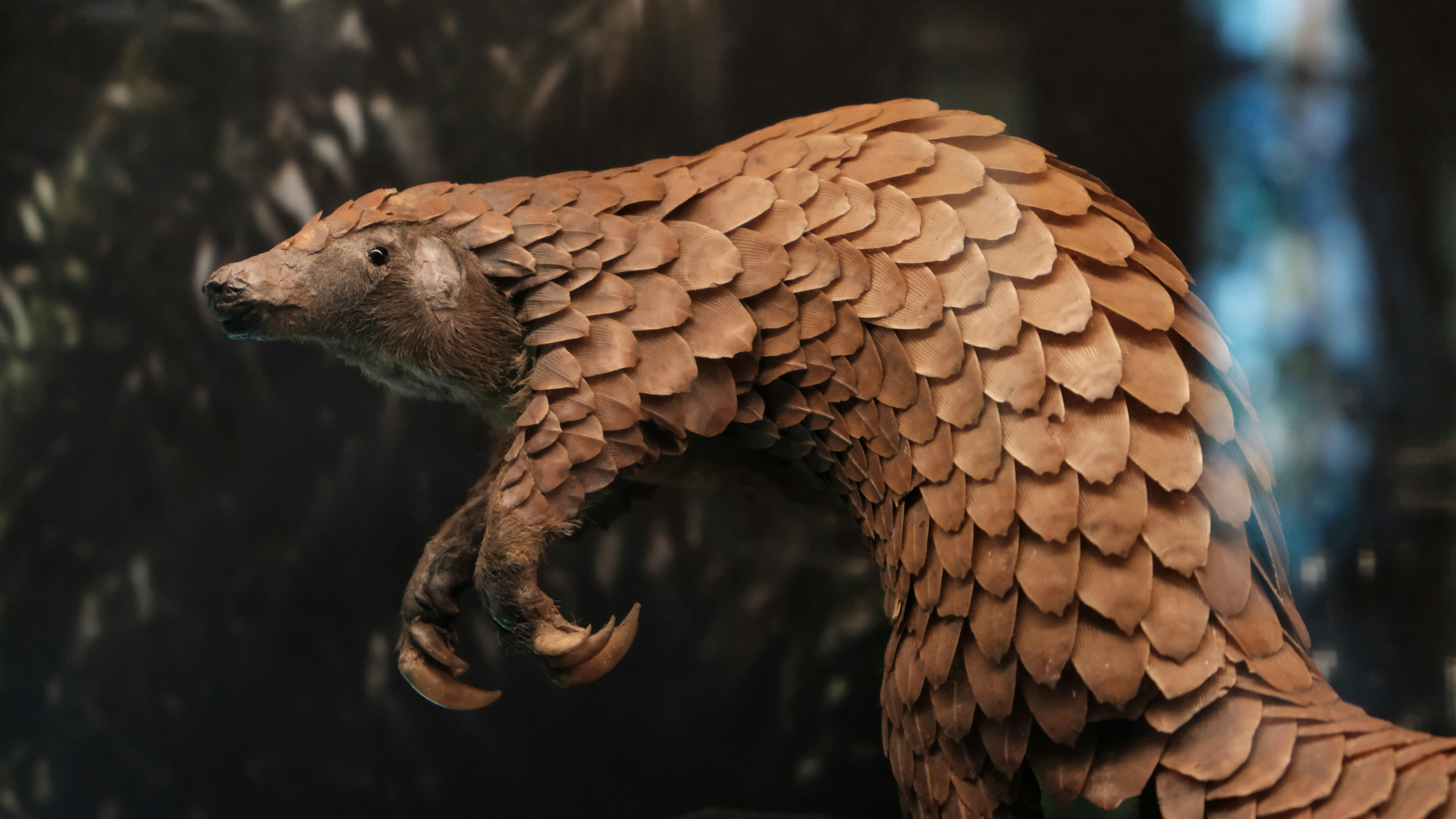
African Tree Pangolin

Scientific name: Phataginus tricuspis

Type: Mammal Main biome: Tropical Jungle Difficulty: Alta

Insectivorous mammal covered in horny scales, specialized in eating ants and termites.

Quick facts

  • Approximate size35–45 cm (body)
  • Average weight1.5–3 kg
  • Life expectancyUnknown in the wild
  • ActivityNocturnal
African Tree Pangolin

Basic information

  • 🏡Home: humid tropical forests and mosaics of rainforest and wooded savanna in central and western Africa.
  • 🍏Food: ants and termites captured with its long sticky tongue inside nests and galleries.
  • 👫Sexual dimorphism: not very evident to the naked eye; males are usually somewhat larger than females.
  • 🐾Predators: leopards, large felines and pythons; however, the main current threat is humans.

Life in the wild

What this species is like in its natural environment, with the climate, shelters and resources it needs.

Species overview

The African tree pangolin is a very special mammal whose survival is seriously compromised by poaching.

Natural habitat

Uses both the forest floor and tree trunks and branches where it searches for ant nests and termite mounds.

Behavior

Nocturnal and solitary. Spends much of the night moving in search of social insect nests.

Special traits

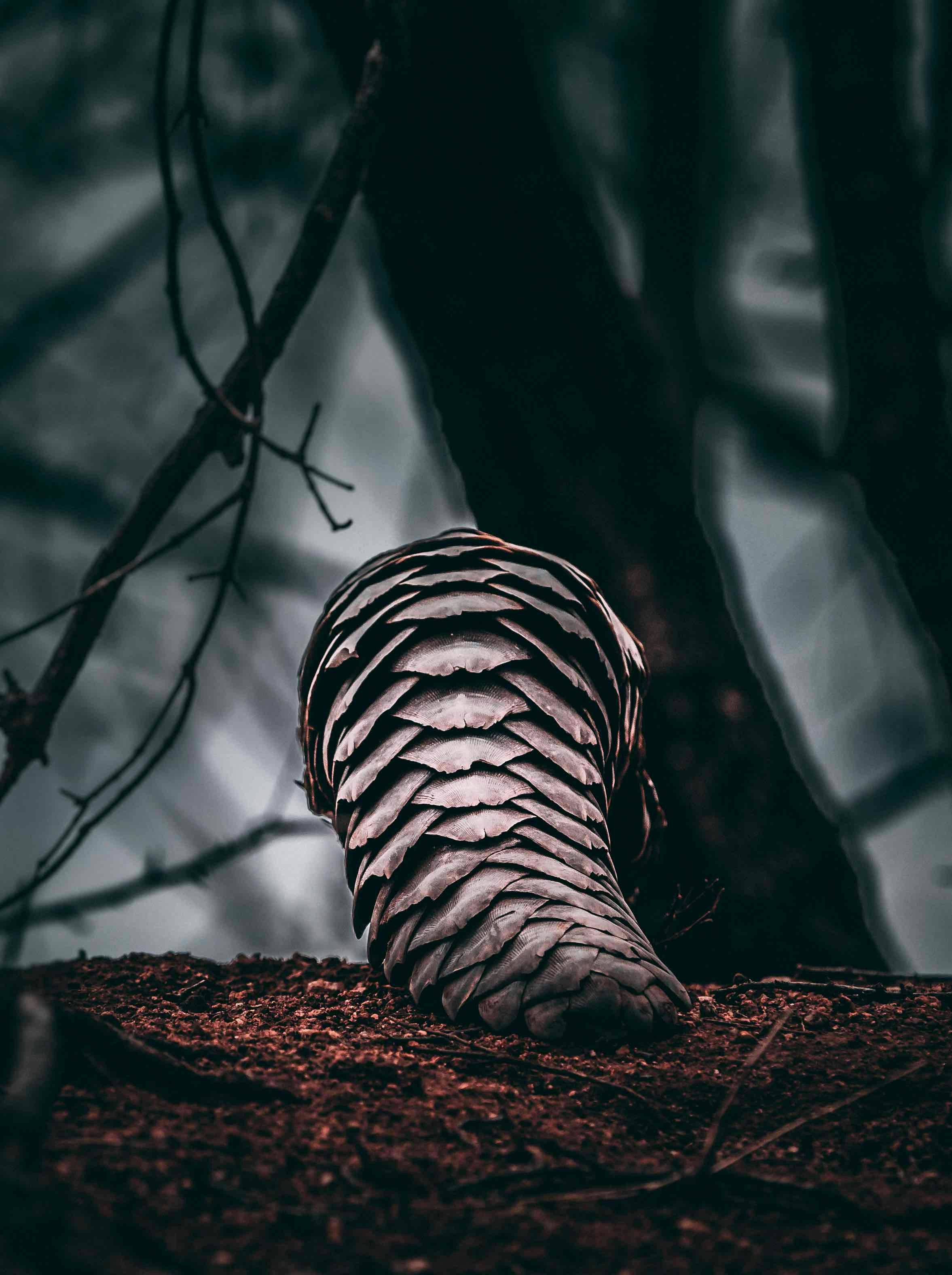
Its overlapping keratin scales form a very effective armor against natural predators, but useless against illegal trafficking networks.

Conservation and threats

Overexploitation for meat and traditional medicine trade has caused dramatic declines in many populations.

Curiosities

Striking details about this species that show its biology and ecology in a different way.

  • 🌍Rolls into a ball to protect itself, using its scales as armor.
  • One of the most trafficked mammals in the world for its meat and scales.
  • 🔎Handling in captivity is extremely difficult due to its very specific diet.
  • 🧠Can climb trees using its claws and prehensile tail.

Welfare profile

Aspects to consider if this species is kept in captivity at specialized centers.

Facilities and spaceCritical

In captivity needs enclosures that allow climbing and digging, with quiet shelters and humid microclimates.

Light, temperature and environmentCritical

Its diet is extremely difficult to replicate; many captivity experiences have failed due to nutritional problems.

Handling and stressVery delicate

Direct handling should be avoided; they are shy animals, easily stressed with high mortality in captivity.

African Tree Pangolin in captivity

General information aimed at professional facilities and authorized centers.

⚠️ Capture and trade of mammals like this species are regulated in many countries. Essential to verify legal origin of animals and prioritize responsible breeding programs and habitat conservation.

Suitable facilities

Most experts agree that pangolins should not be kept in captivity except for temporary rescues and very specialized conservation programs.

Feeding in responsible centers

  • Any enclosure must be designed prioritizing tranquility.
  • Climbing possibility and absence of constant public.
  • Diet requires specific formulas with often poor results.

Handling and welfare

Diet requires specific formulas, and even then long-term results are usually poor.

Ethical message

The most important action for their welfare is to combat illegal trafficking and protect their native habitats.

Imagen ampliada