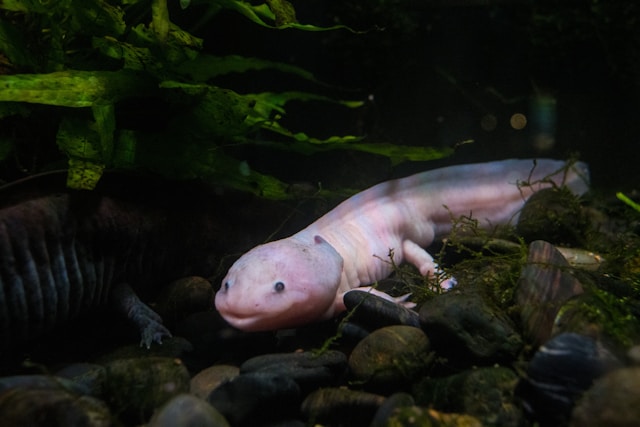
Axolotl
Amphibian
Aquatic amphibian native to Mexico, famous for its regeneration ability.
View sheet →Filter by name, type or use the categories on the main page to find your species.
Amphibian
Aquatic amphibian native to Mexico, famous for its regeneration ability.
View sheet →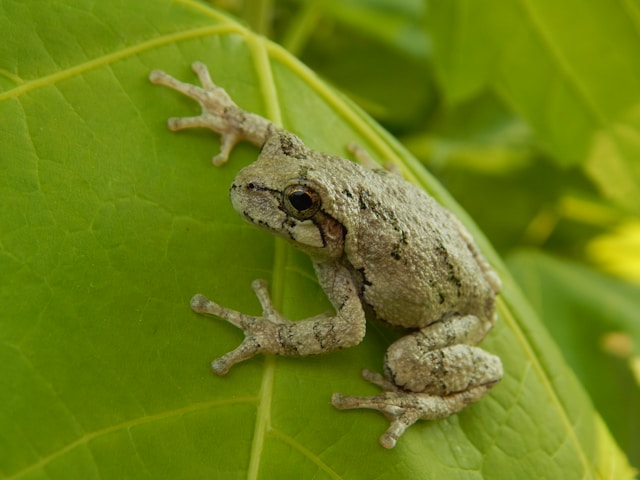
Amphibian
Small tree frog capable of changing color between green and gray tones.
View sheet →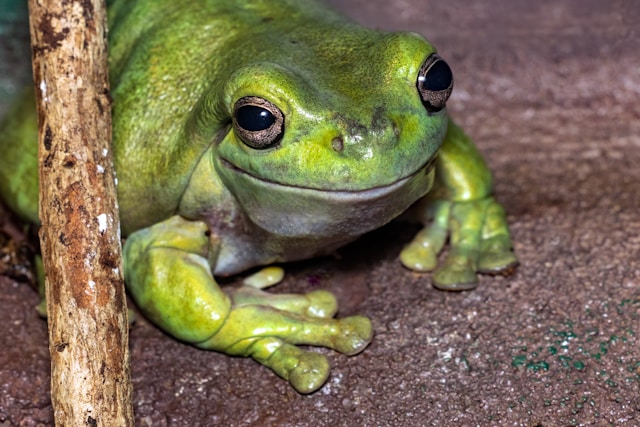
Amphibian
Large and relatively calm tree frog with bright green coloration.
View sheet →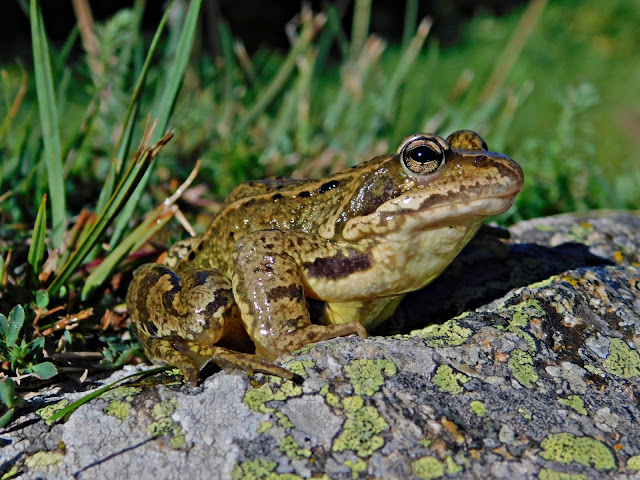
Amphibian
Temperate climate frog closely linked to ponds, pools and calm streams.
View sheet →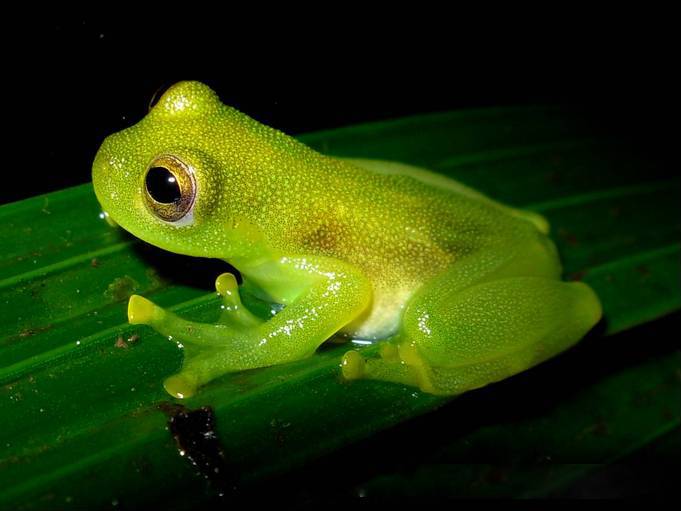
Amphibian
Small tree frogs with nearly transparent ventral skin that reveals their internal organs.
View sheet →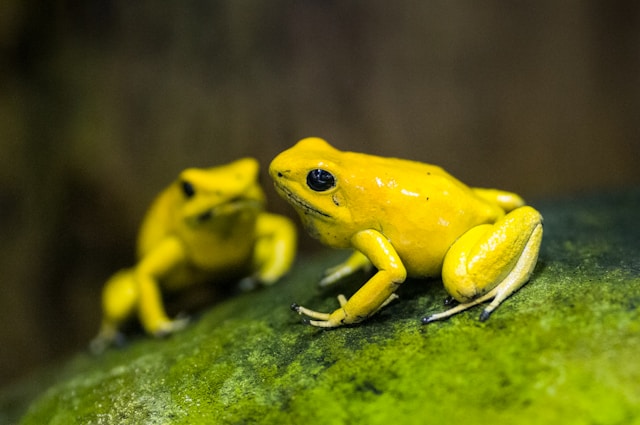
Amphibian
One of the most venomous frogs in the world, with intense yellow coloration.
View sheet →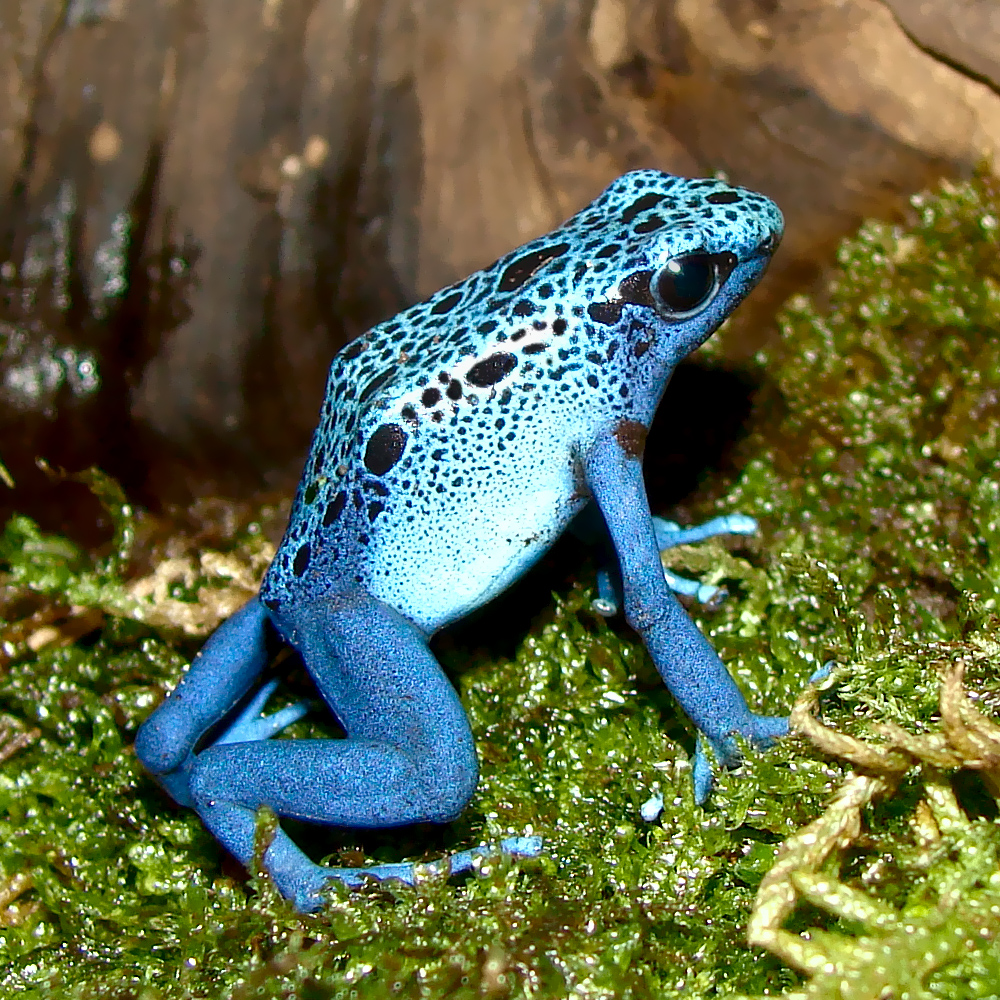
Amphibian
Small venomous frog with intense blue color and dark spots.
View sheet →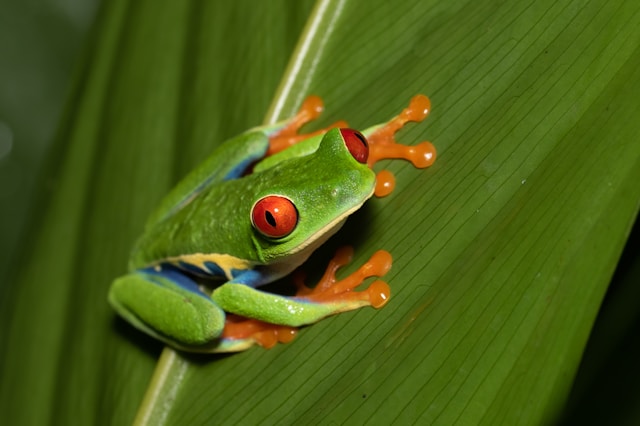
Amphibian
Tropical tree frog famous for its striking red eyes and vivid colors.
View sheet →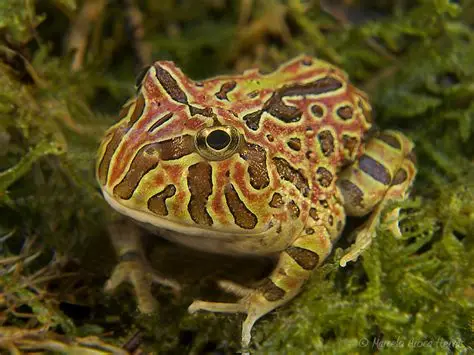
Amphibian
Wide-bodied frog with a huge mouth that spends much time semi-buried waiting for prey.
View sheet →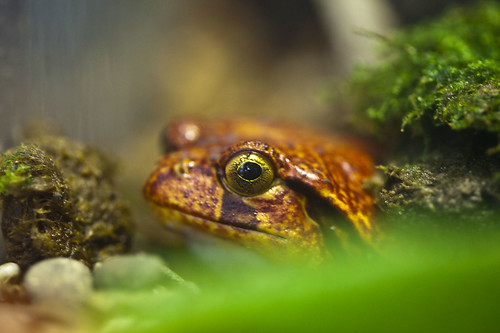
Amphibian
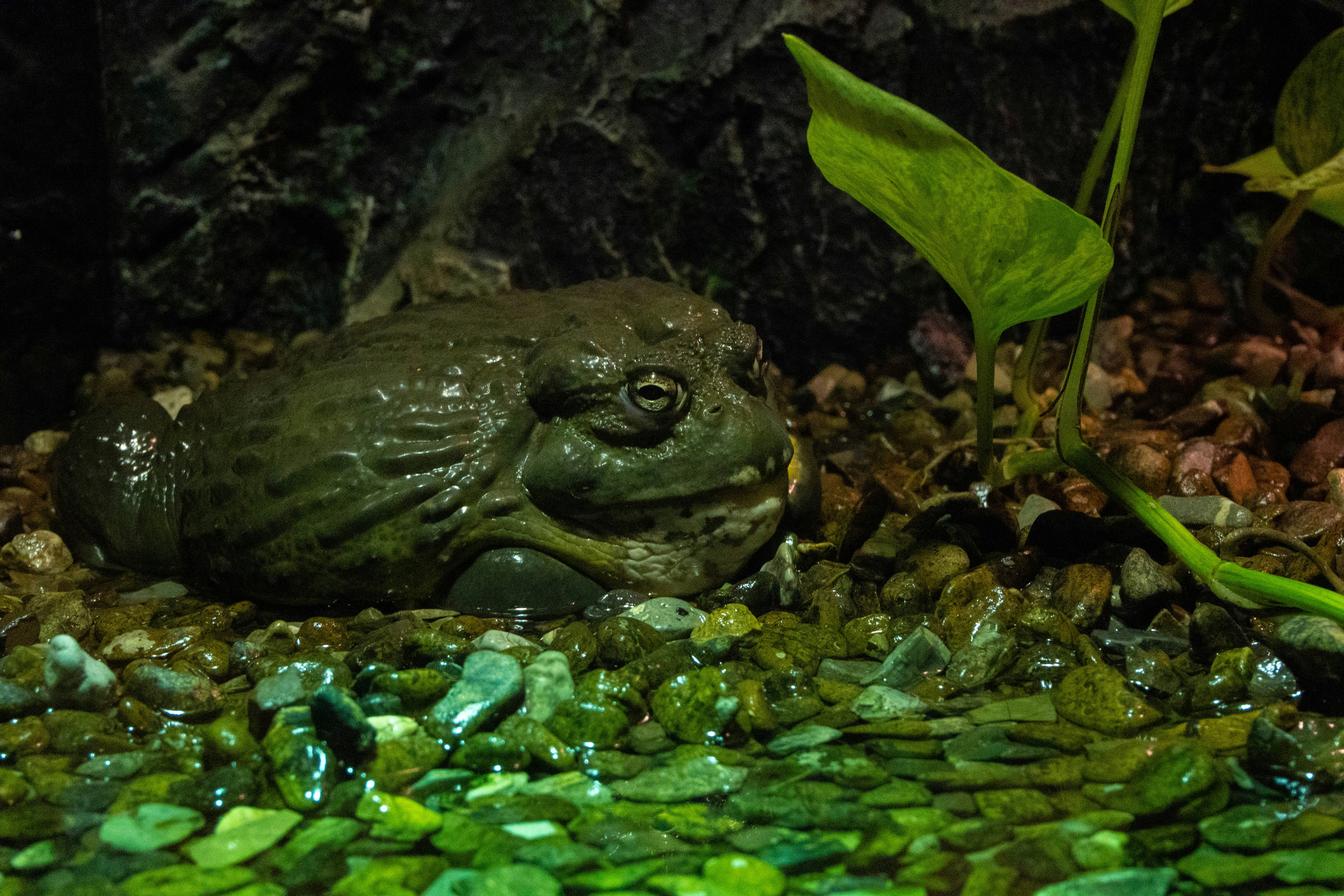
Large, very robust frog with voracious appetite, native to savannas and semi-arid zones.
View sheet →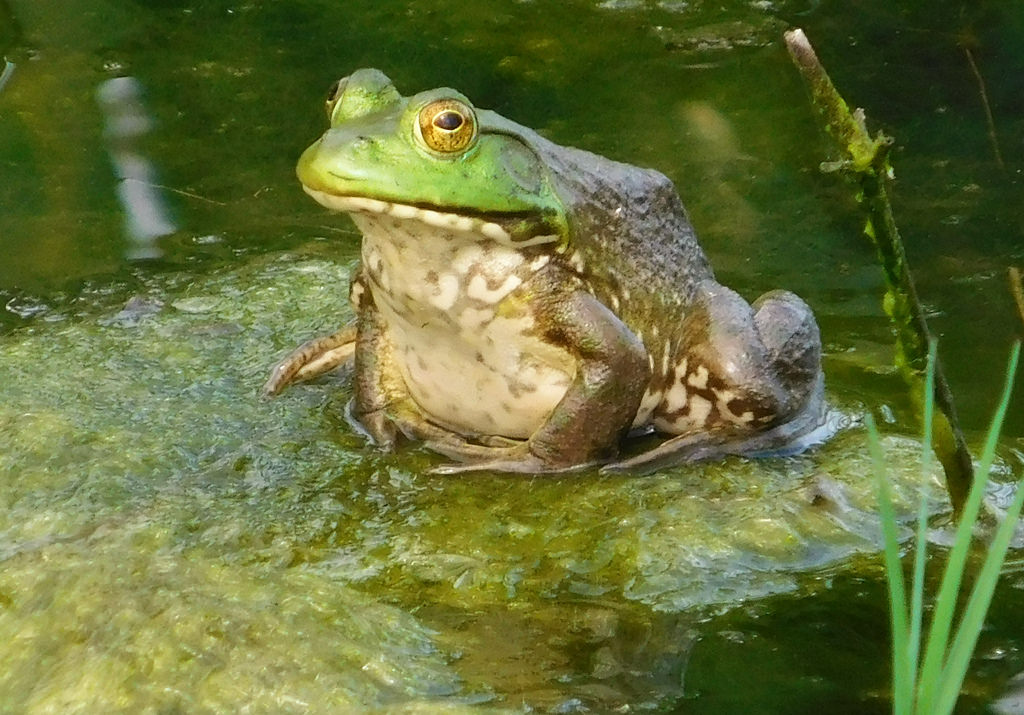
Amphibian
Large aquatic frog with a powerful voice, native to North America but introduced in many countries.
View sheet →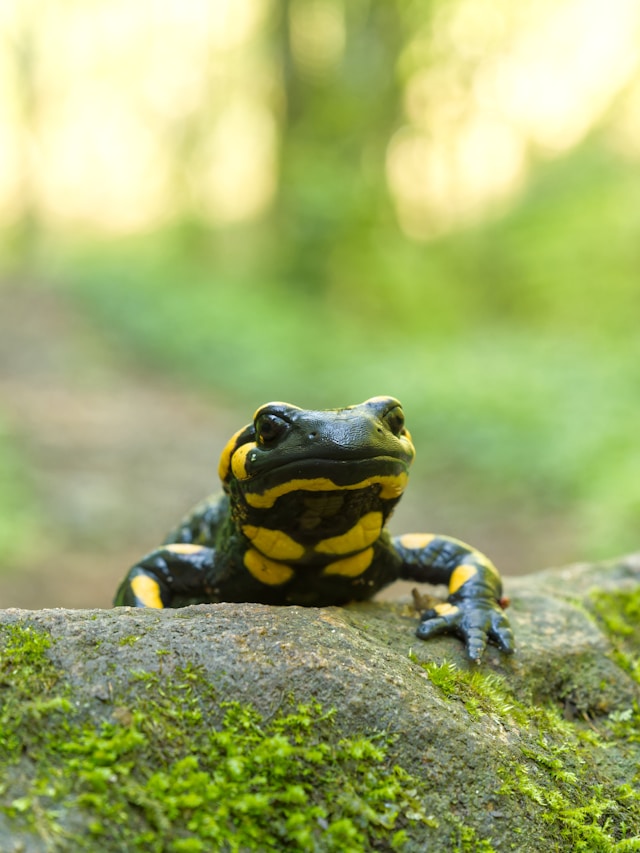
Amphibian
Black urodele with yellow spots, associated with humid European forests.
View sheet →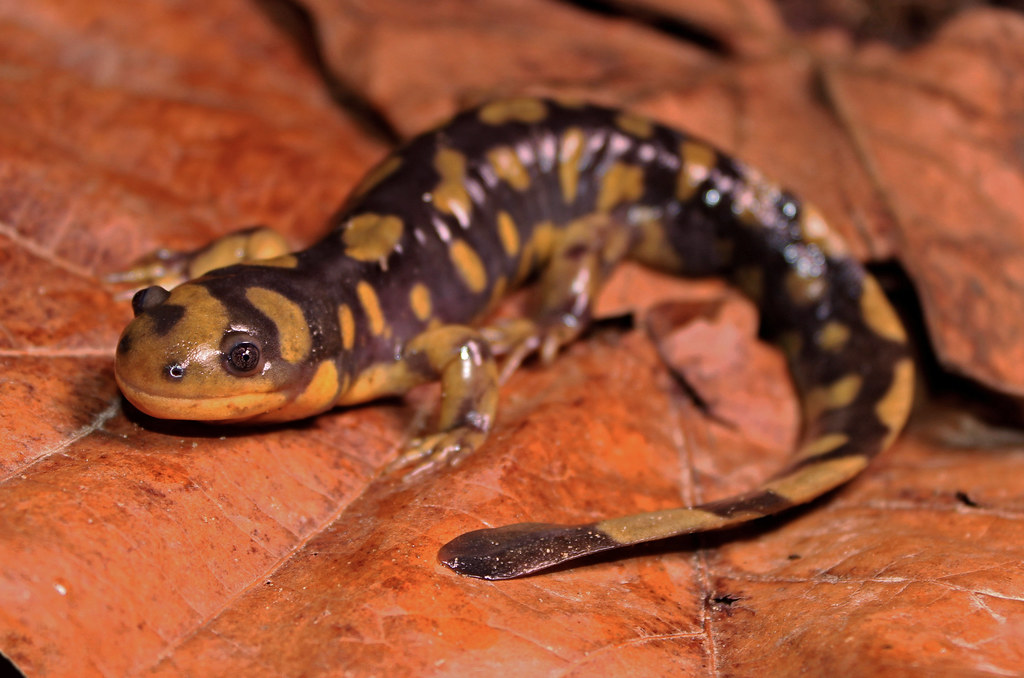
Amphibian
Large salamander with robust body and mottled or striped patterns, native to North America.
View sheet →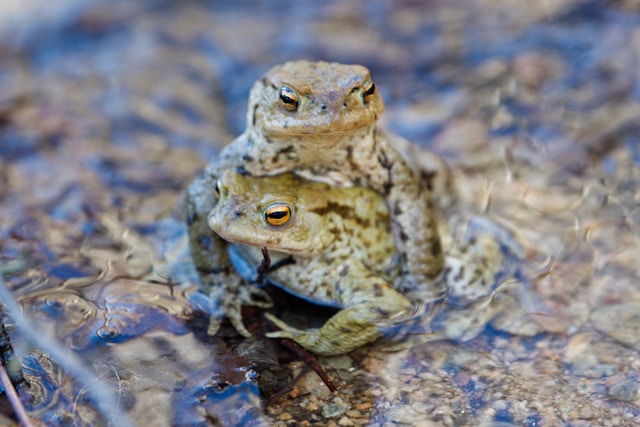
Amphibian
Robust terrestrial anuran, common in European forests and gardens.
View sheet →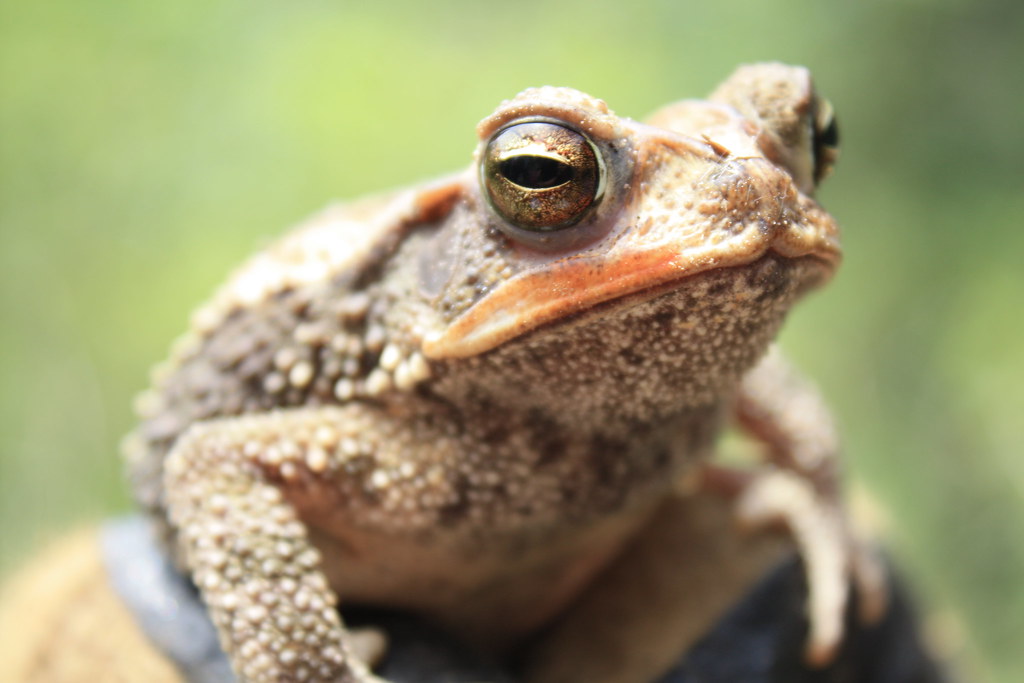
Amphibian
Large tropical toad known for its role as an invasive species in several countries.
View sheet →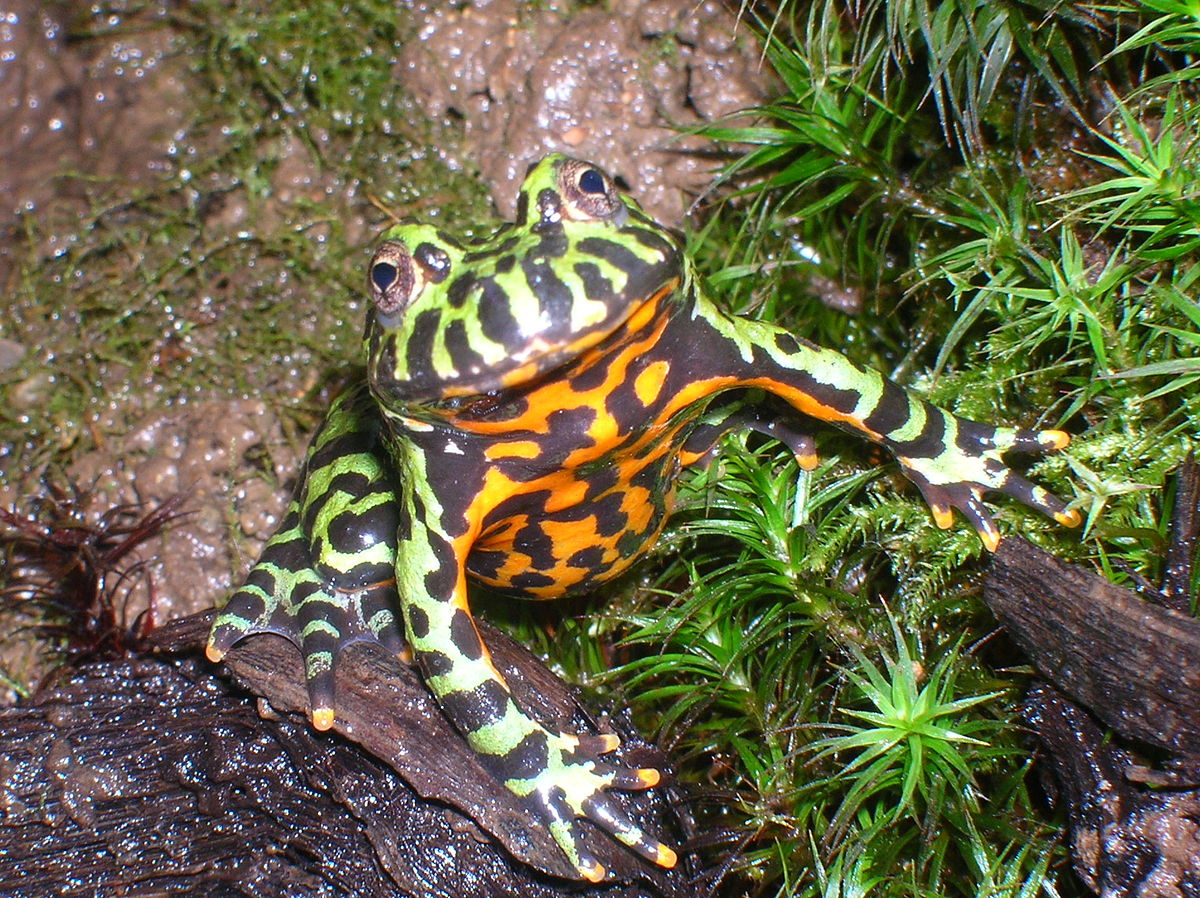
Amphibian
Small semi-aquatic toad with very striking red and black belly colors.
View sheet →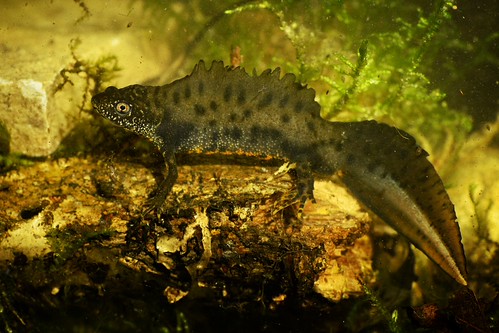
Amphibian
Large European newt with very prominent dorsal crest in males during breeding season.
View sheet →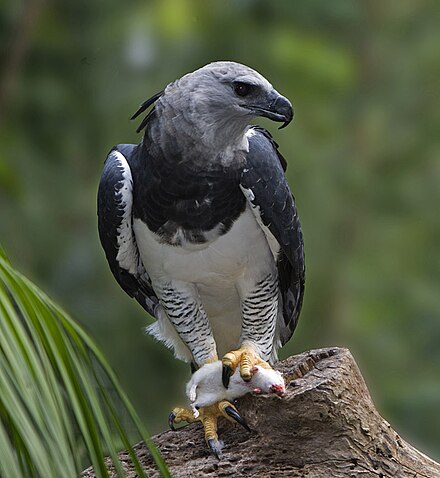
Bird
One of the largest eagles in the world, predator of arboreal mammals in tropical rainforests.
View sheet →
Bird
Small, very social Australian psittacid, common in semi-arid areas and open grasslands.
View sheet →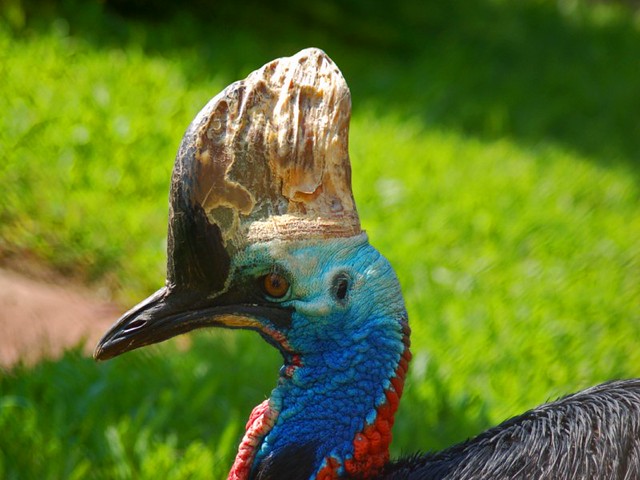
Bird
Large flightless bird with bony casque and colorful neck, native to tropical rainforests.
View sheet →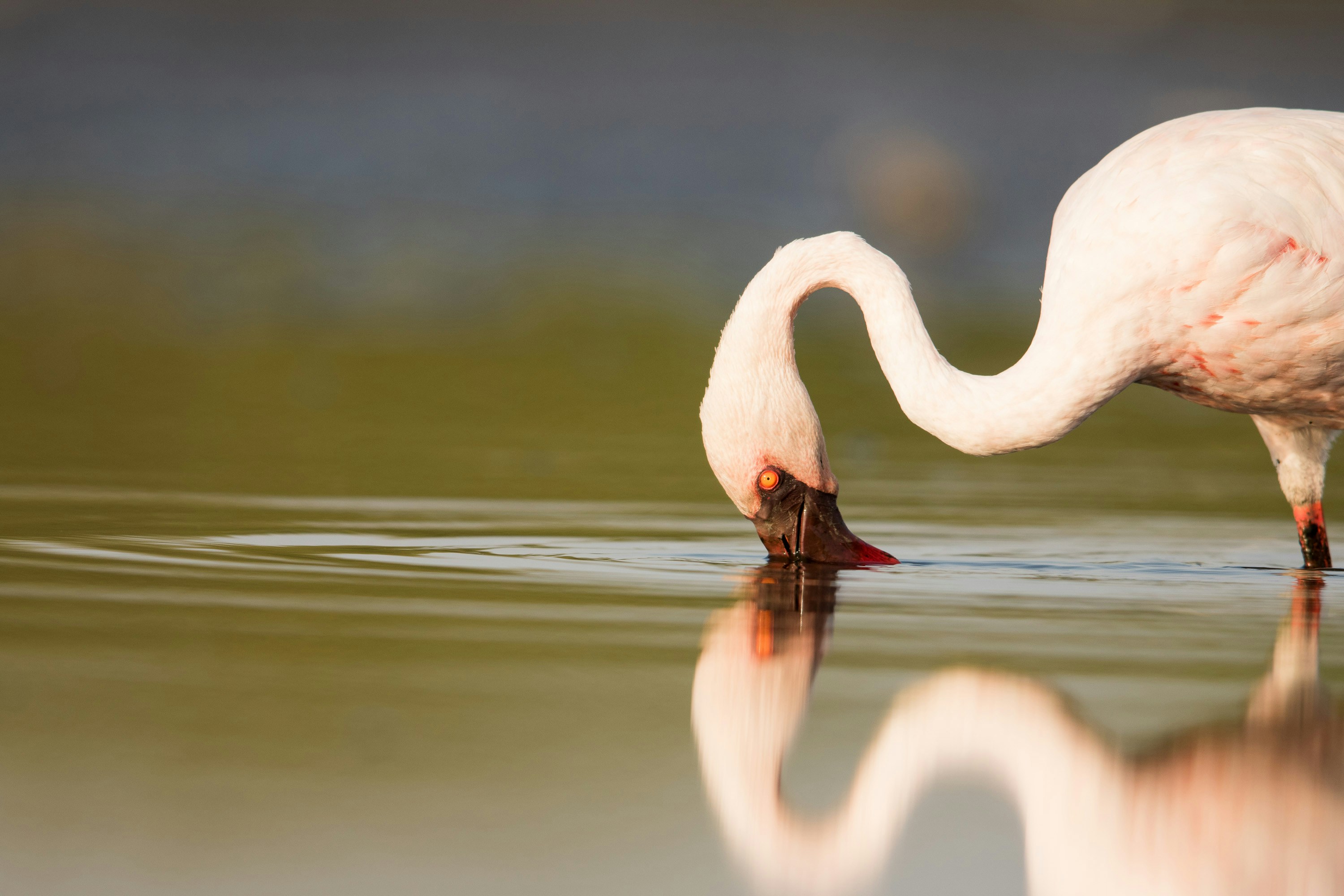
Bird
The smallest of flamingos, specialized in saline and alkaline lakes of Africa.
View sheet →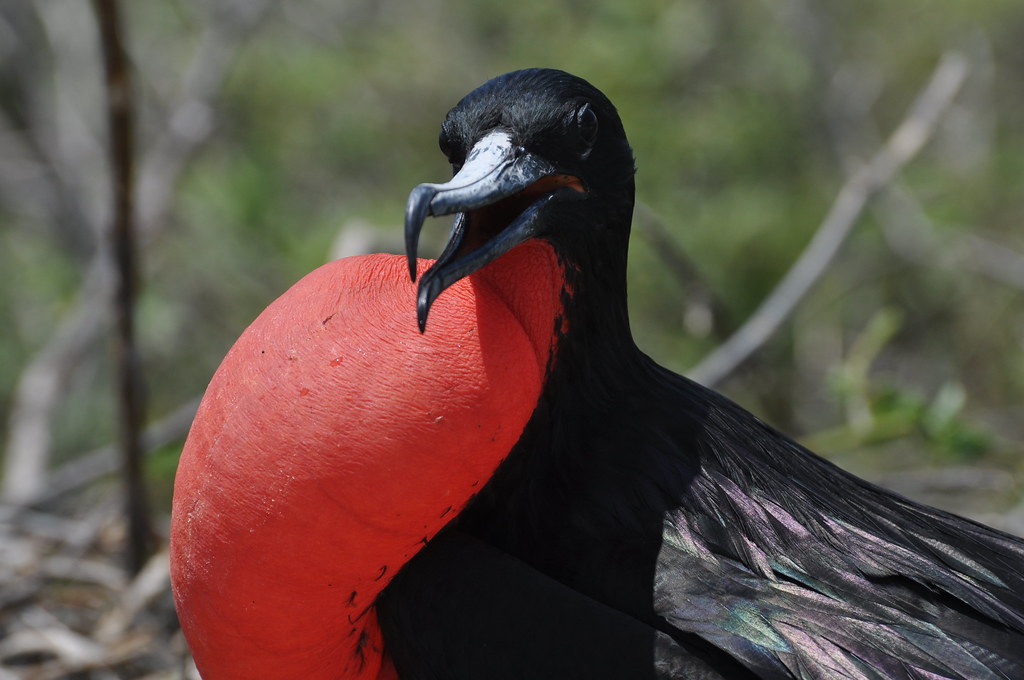
Bird
Seabird with large wings and forked tail, famous for the red gular sac of males.
View sheet →
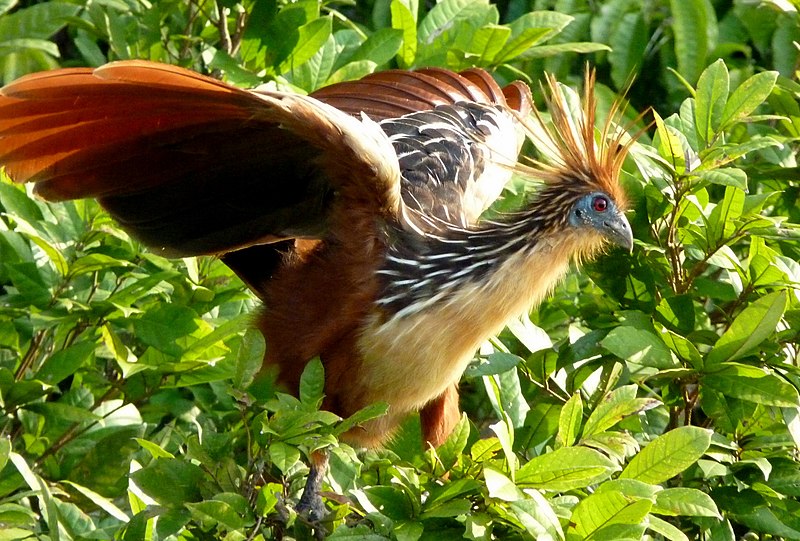
Bird
Prehistoric-looking folivorous bird that inhabits mangroves and flooded areas of the Amazon.
View sheet →
Bird
Small kingfisher with blue and orange colors, linked to rivers and clean water bodies.
View sheet →
Bird
Iconic cloud forest bird with iridescent green feathers and long tail in males.
View sheet →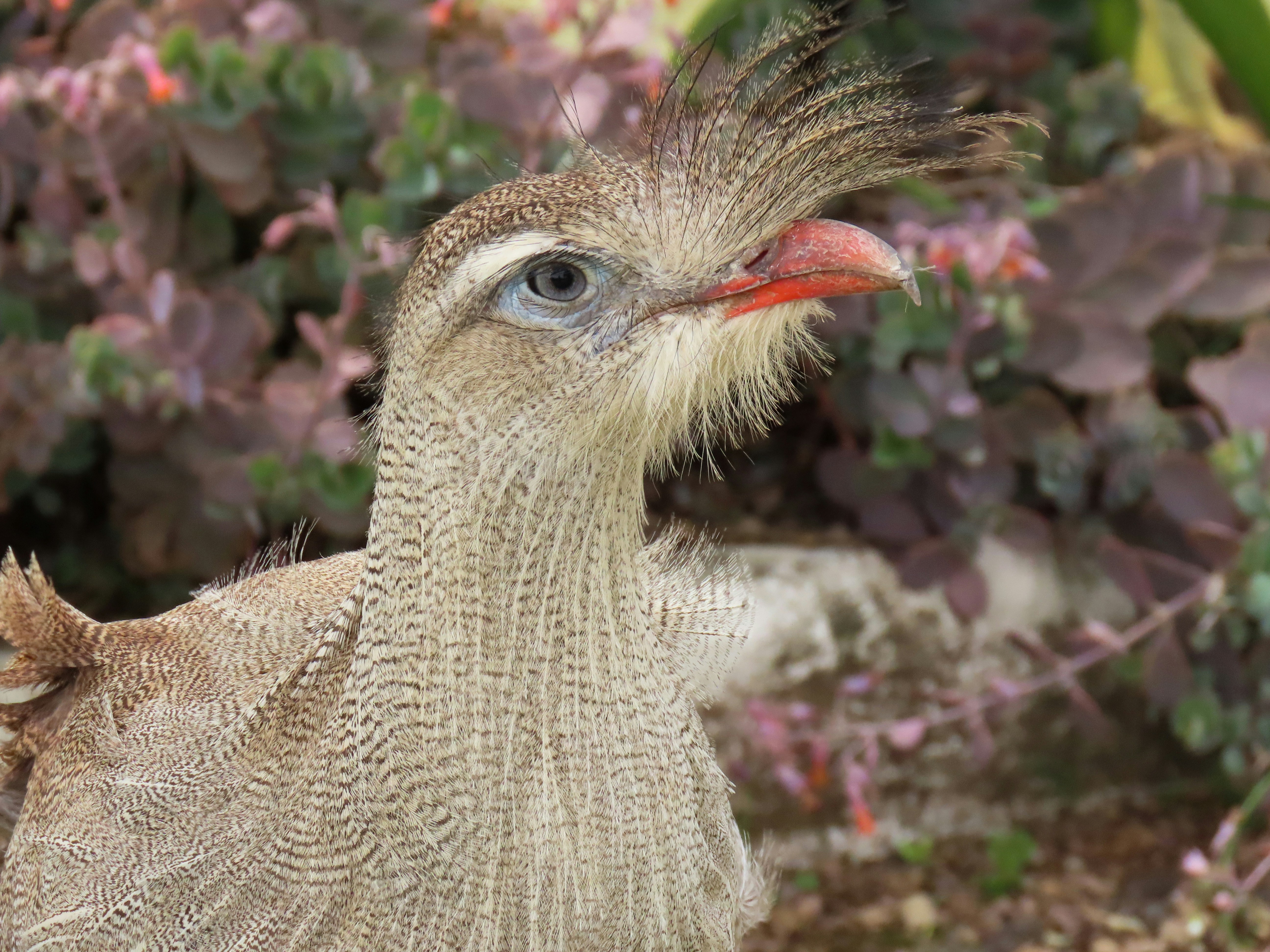
Bird
Terrestrial bird with long legs and characteristic crest, native to South American savannas and scrublands.
View sheet →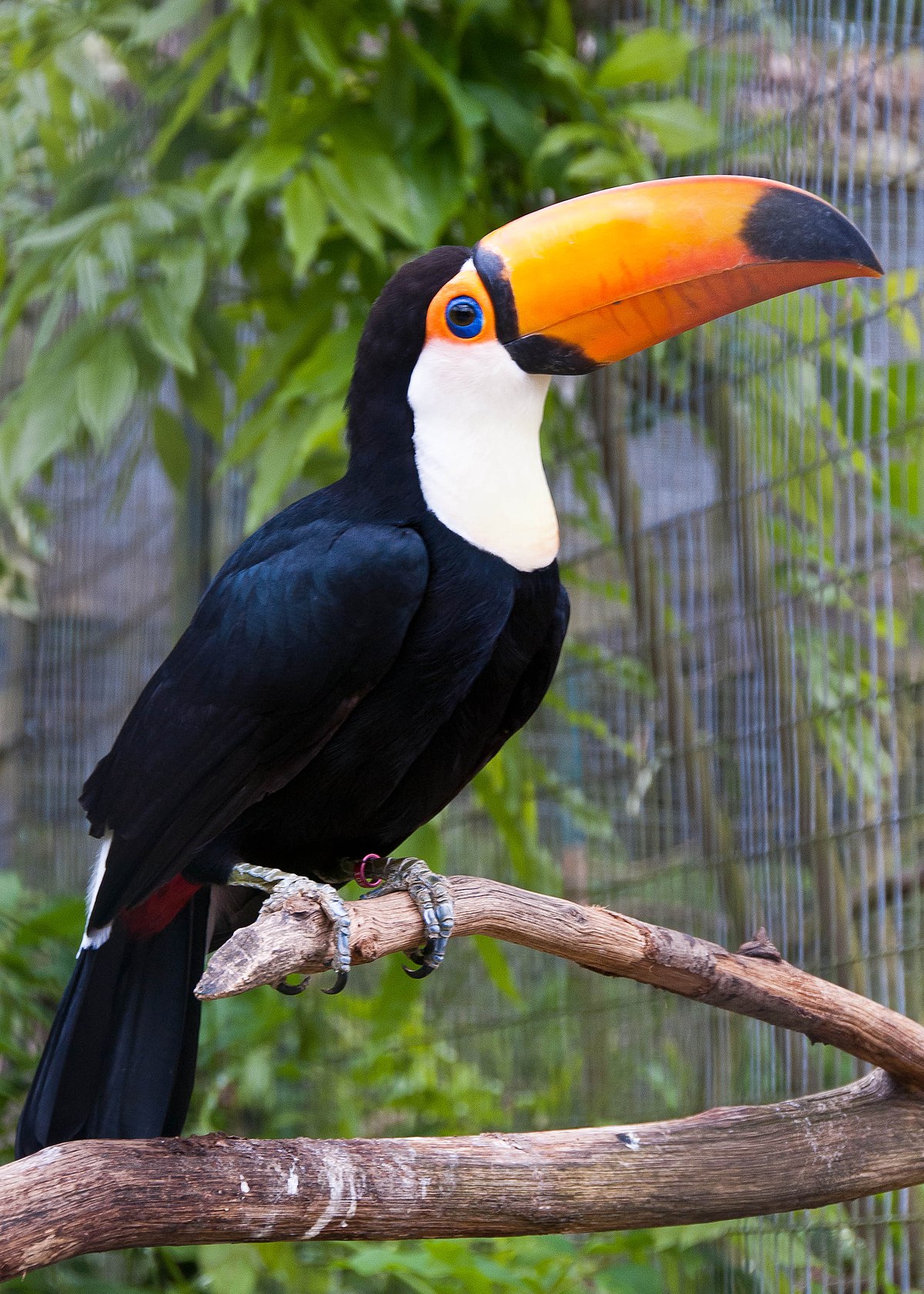
Bird
Large toucan with enormous orange beak, typical of wooded savannas and South American forest edges.
View sheet →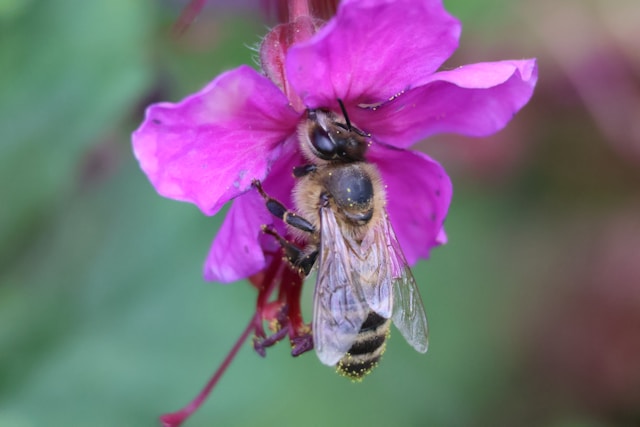
Insect
Social honey-producing insect, essential for pollinating numerous crops and wild plants.
View sheet →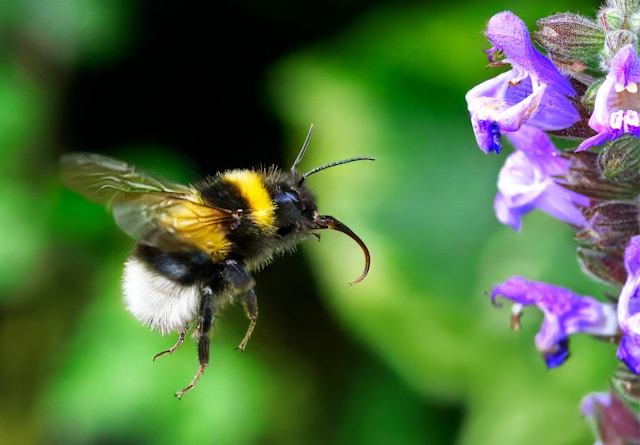
Insect
Robust and fuzzy pollinator, active even at lower temperatures than other bees.
View sheet →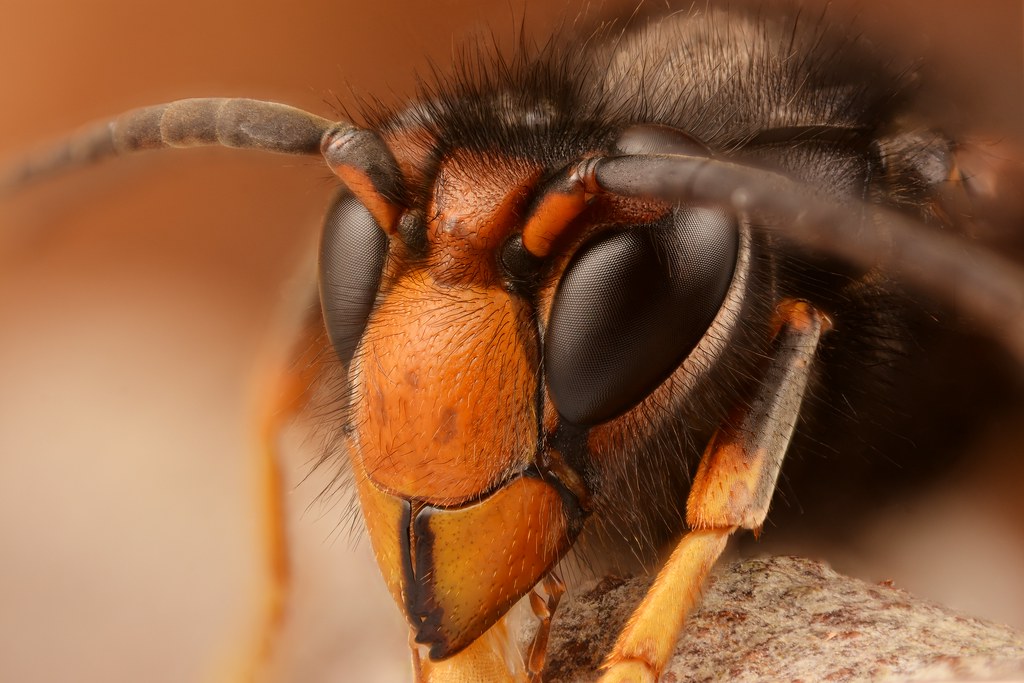
Insect
Invasive wasp that preys on bees and other insects, causing concern in beekeeping and local ecosystems.
View sheet →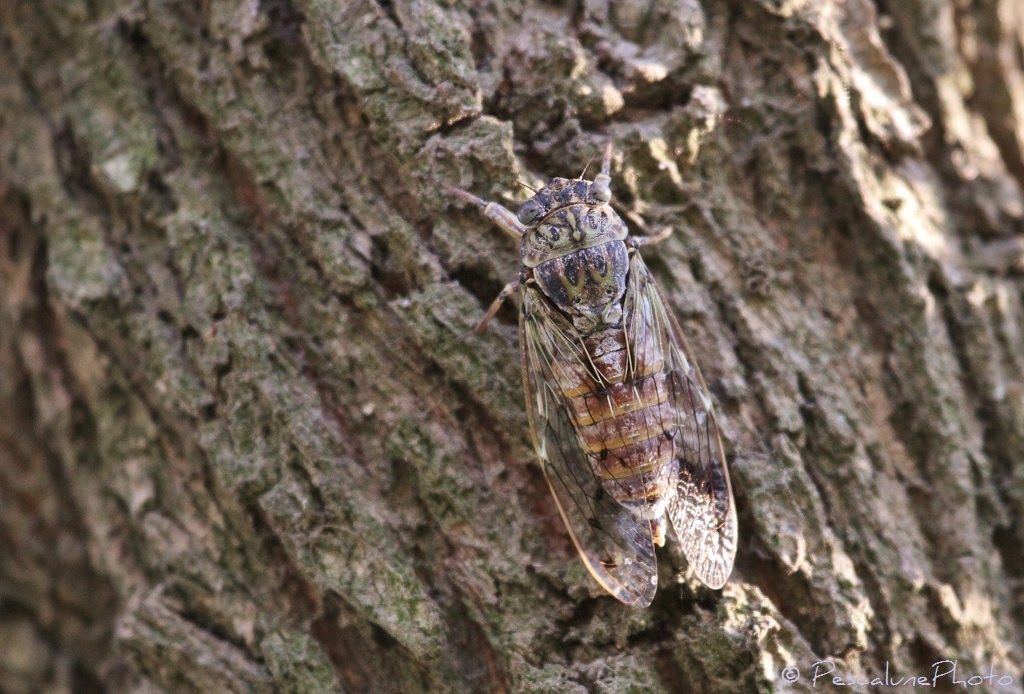
Insect
Insect known for its intense summer song, produced by males to attract females.
View sheet →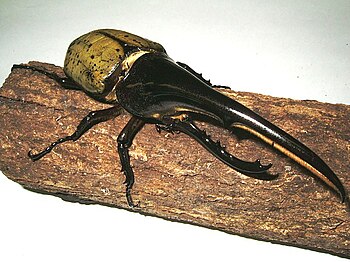
Insect
One of the largest beetles in the world, with impressive horns in males.
View sheet →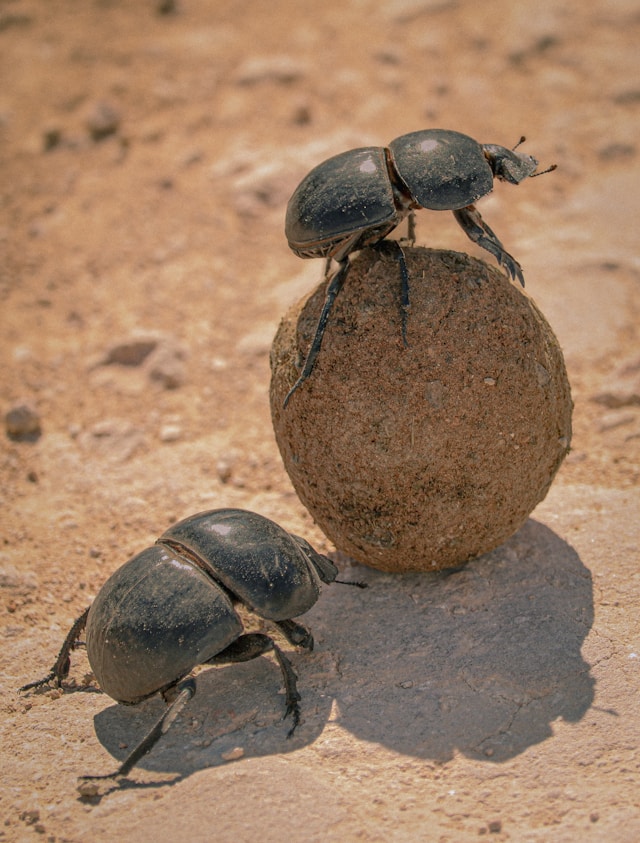
Insect
Beetle known for forming and rolling dung balls that it buries for feeding and breeding.
View sheet →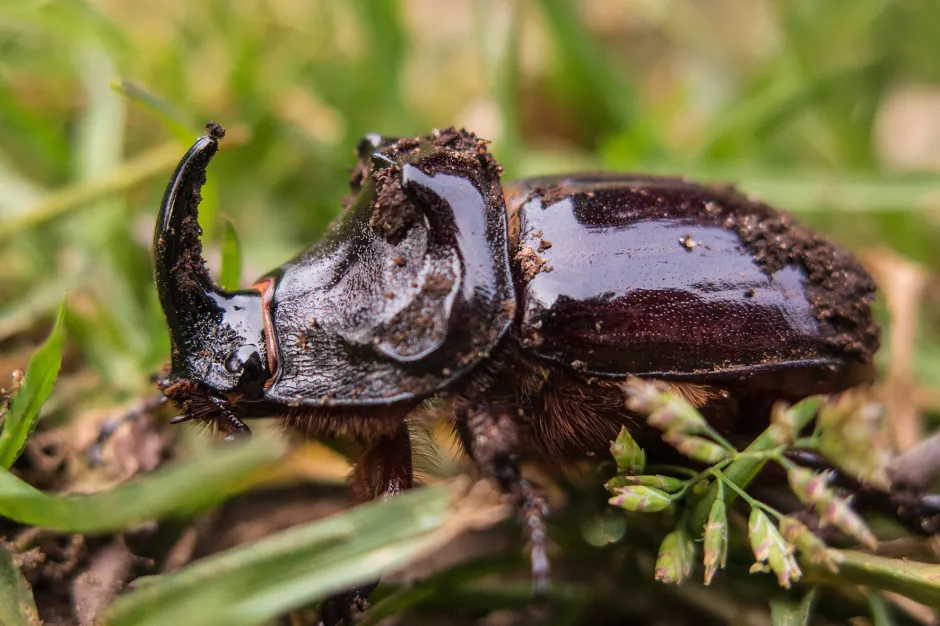
Insect
Large beetle with prominent horn in males, associated with decomposing wood.
View sheet →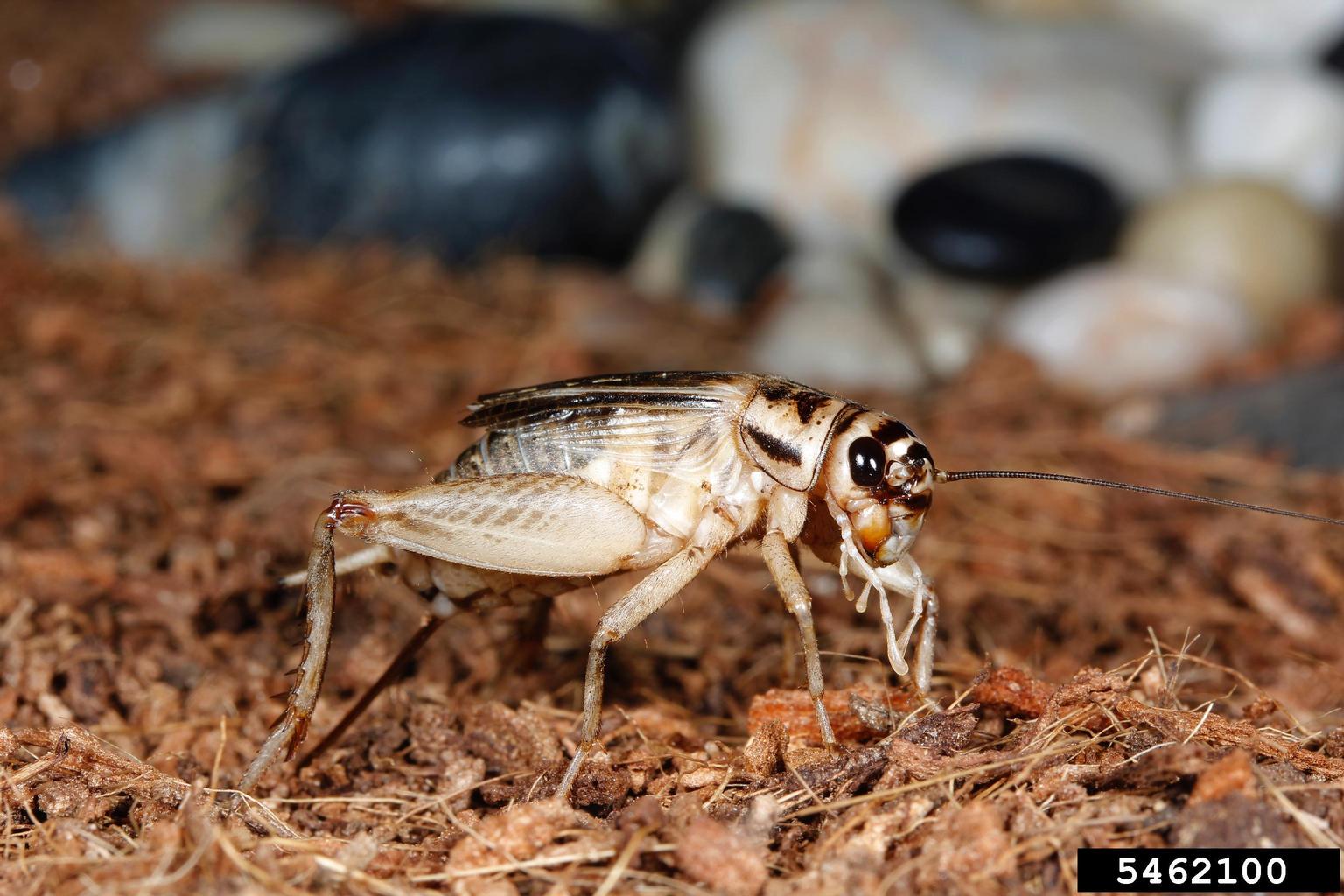
Insect
Orthopteran widely used as live food for other animals and known for its characteristic chirping.
View sheet →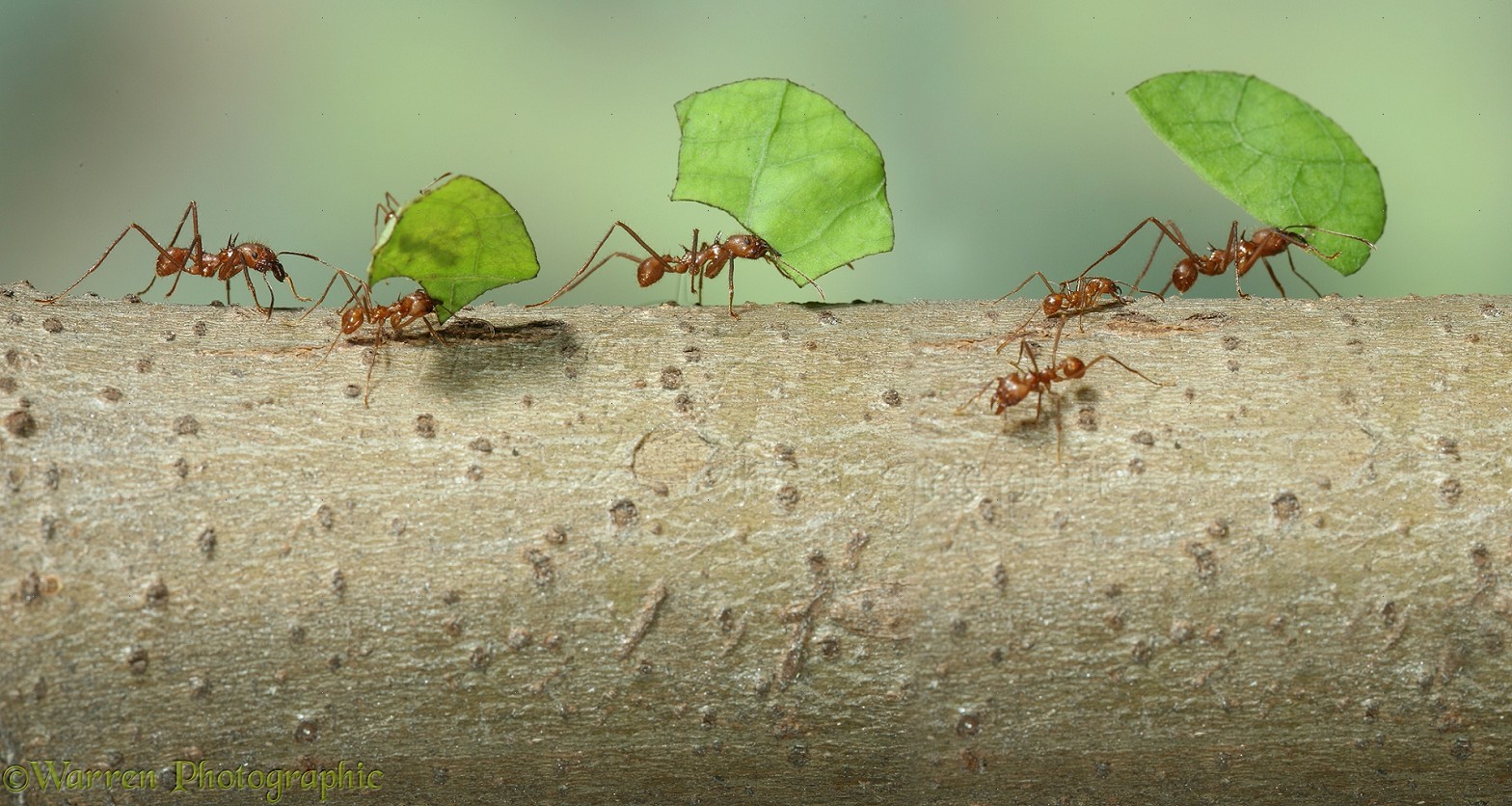
Insect
Tropical ant famous for carrying leaf fragments to cultivate fungi in their underground nests.
View sheet →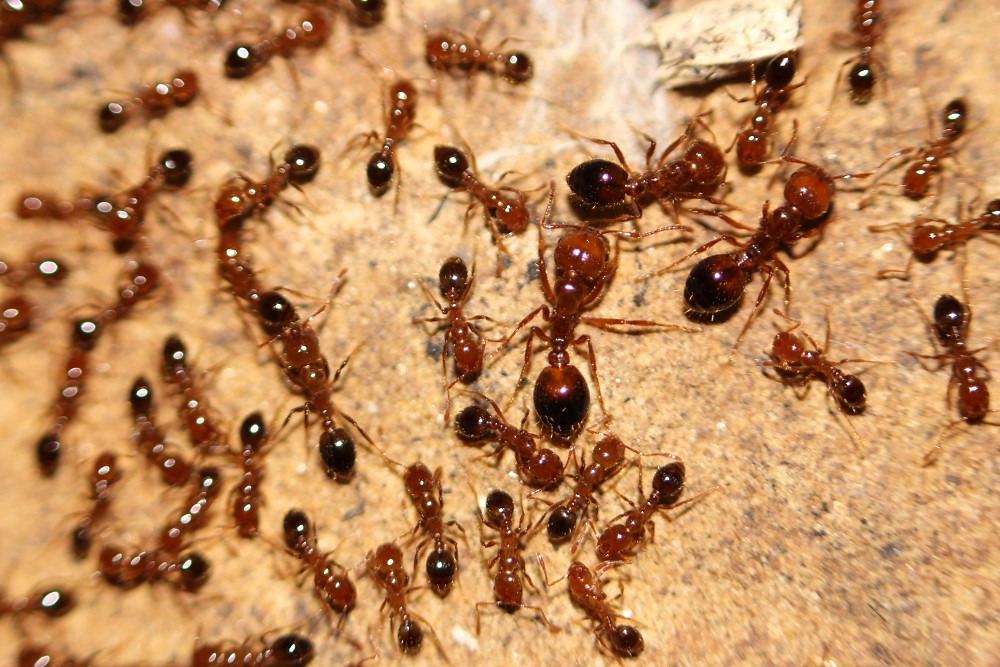
Insect
Aggressive ant with painful sting, known as a problematic invasive species in many regions.
View sheet →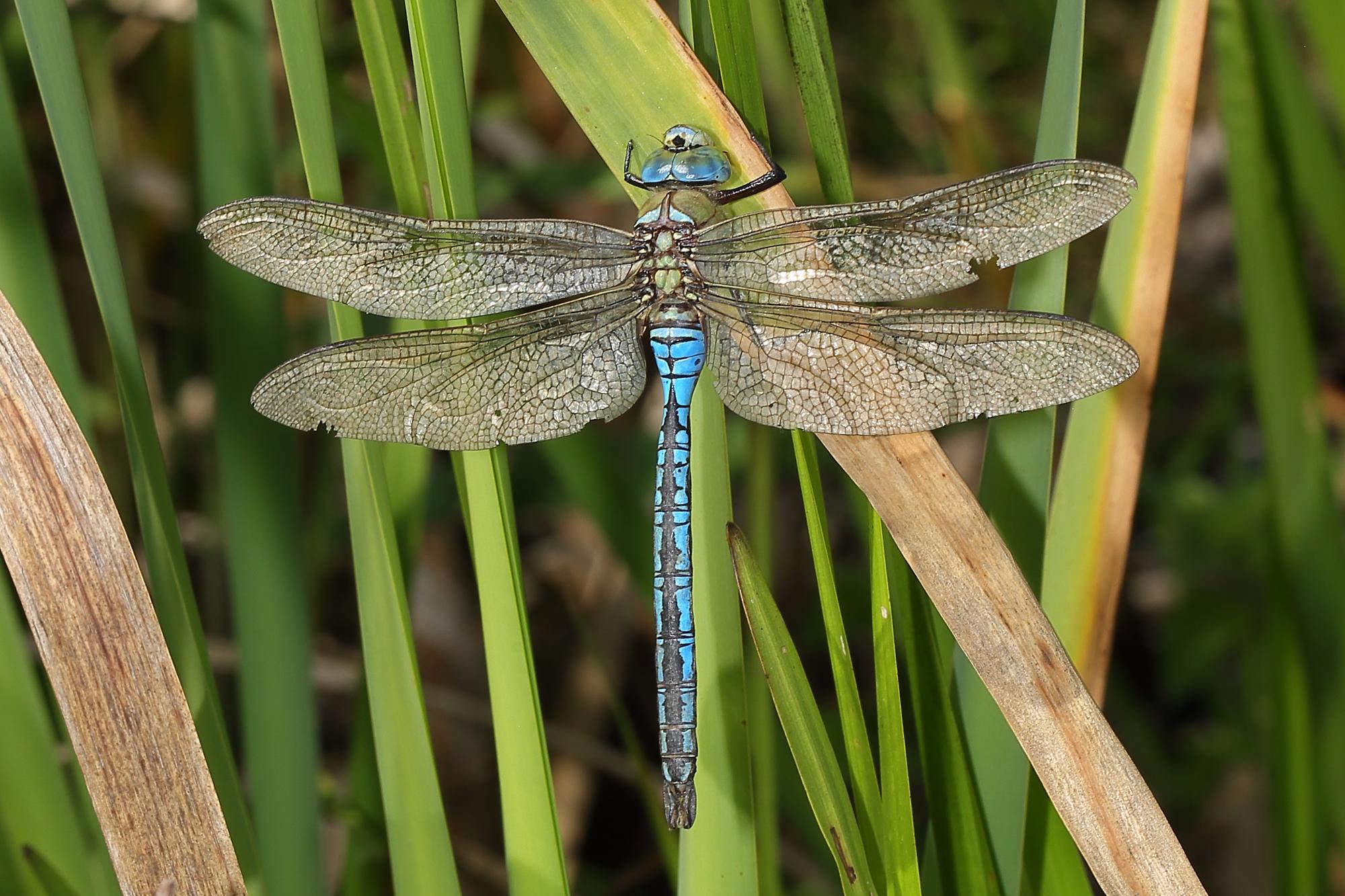
Insect
Large dragonfly with powerful flight, whose aquatic larvae are important predators in ponds and rivers.
View sheet →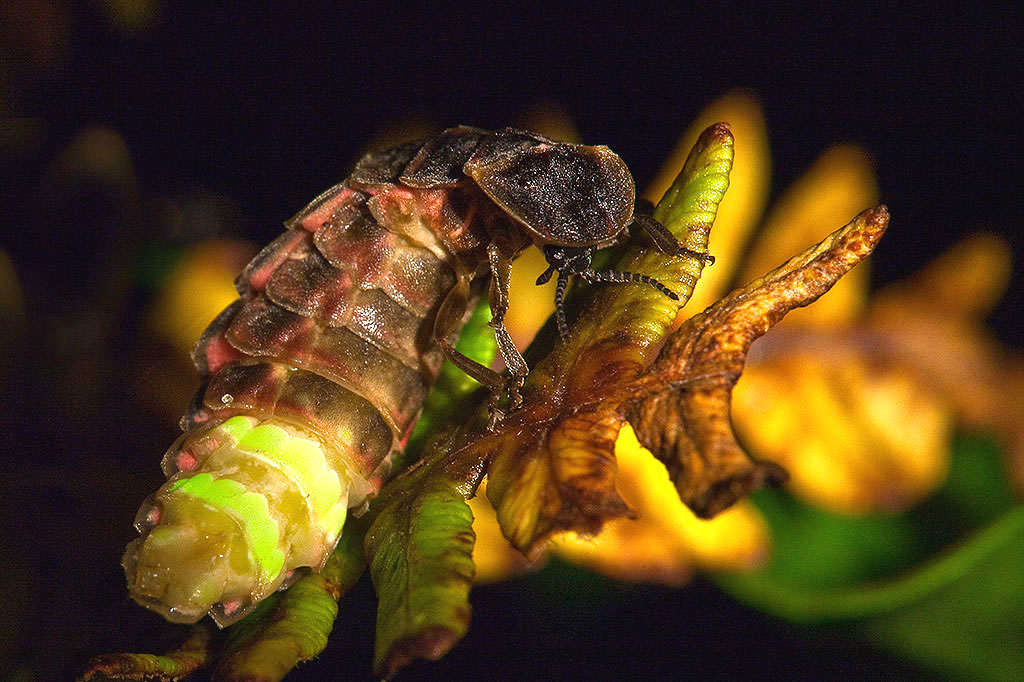
Insect
Bioluminescent beetle known for the lights emitted especially by females to attract males.
View sheet →
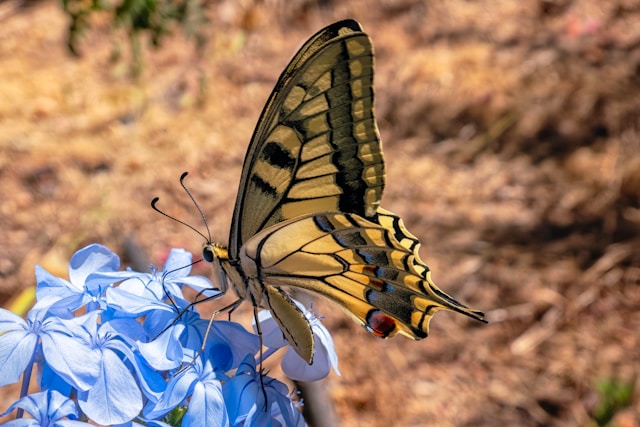
Insect
Large and striking butterfly with extensions on the hindwings, typical of flowery meadows and sunny slopes.
View sheet →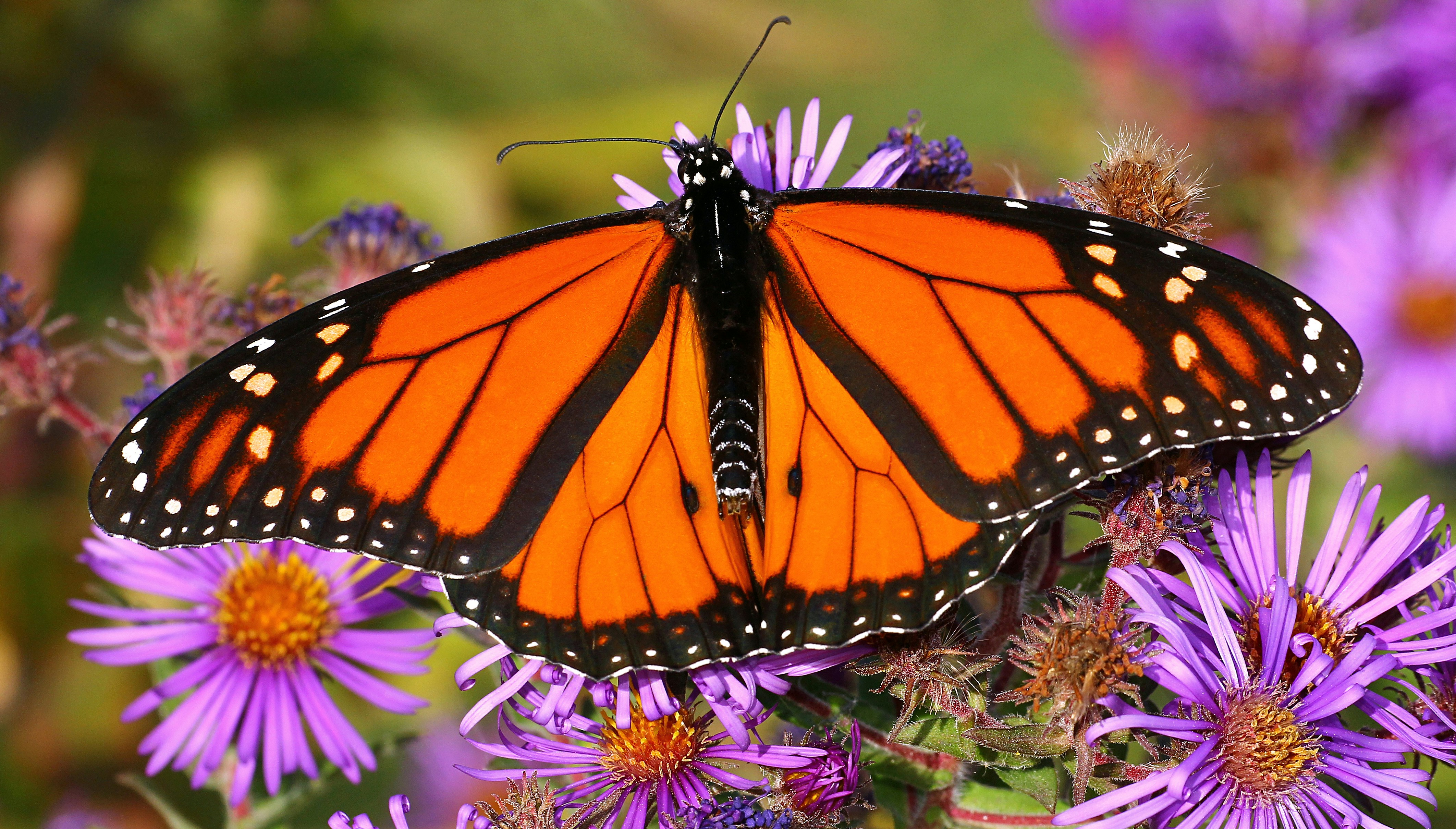
Insect
Famous for its massive migrations and striking orange and black pattern.
View sheet →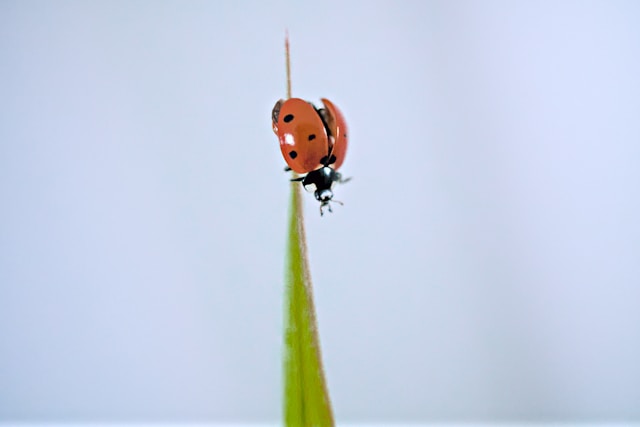
Insect
Small red beetle with black spots, valued for its role in controlling pests such as aphids.
View sheet →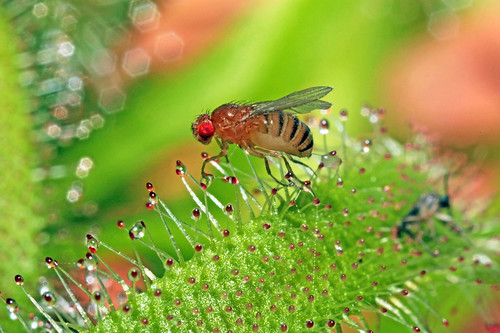
Insect
Small dipteran that feeds on fermenting fruit and is a classic model in genetics.
View sheet →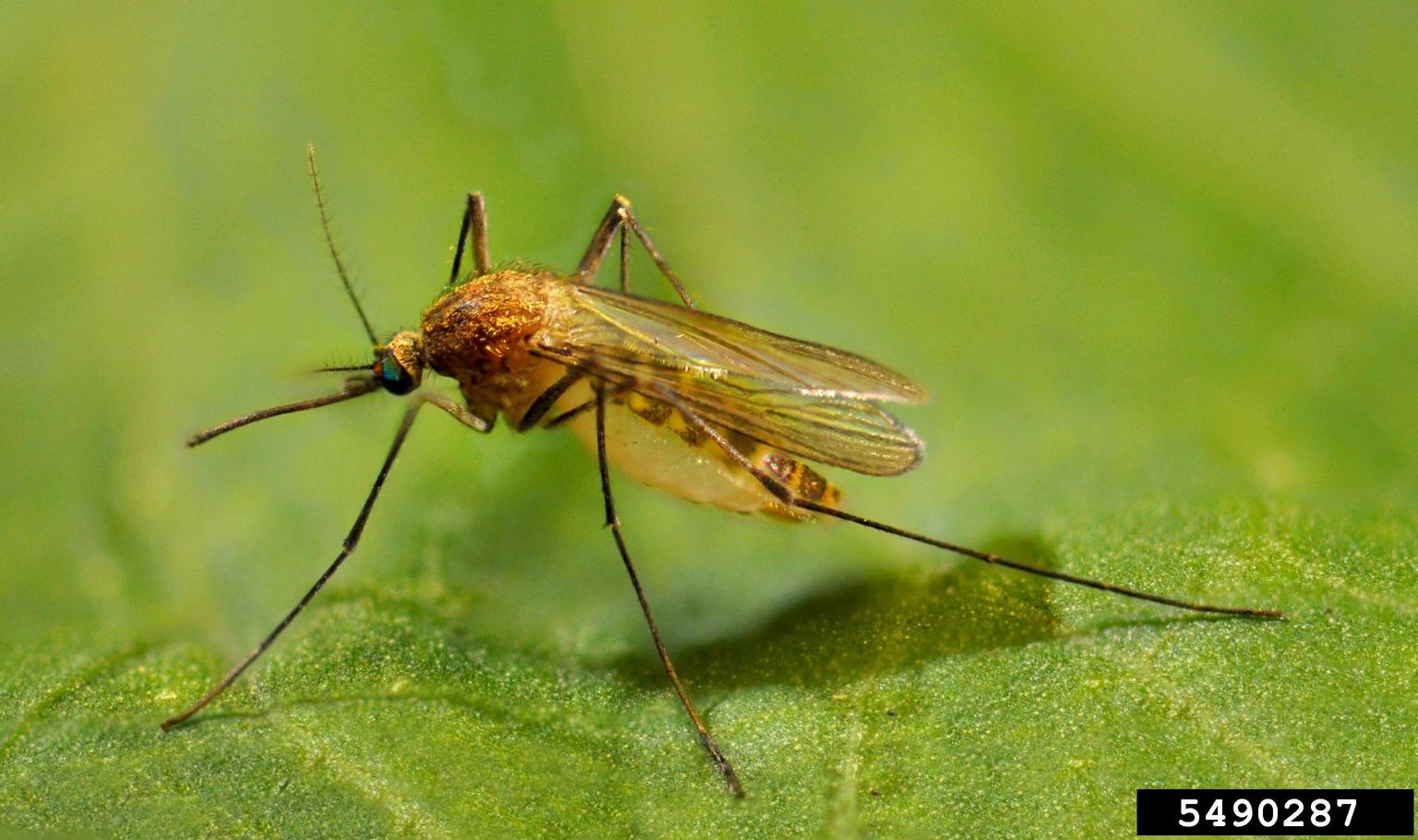
Insect
Small dipteran famous for its bites and for being a vector of various diseases.
View sheet →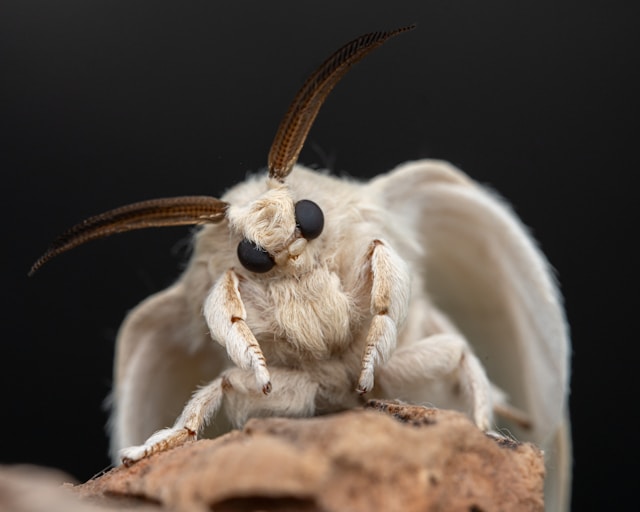
Insect
Lepidopteran domesticated for millennia to produce silk from its cocoons.
View sheet →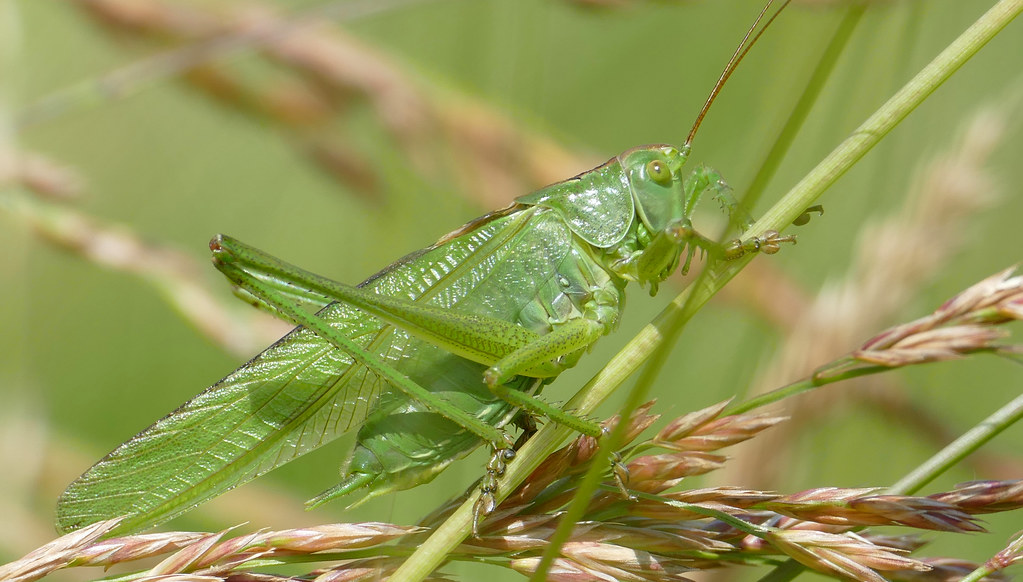
Insect
Large bright green orthopteran, known for its strident song on summer nights.
View sheet →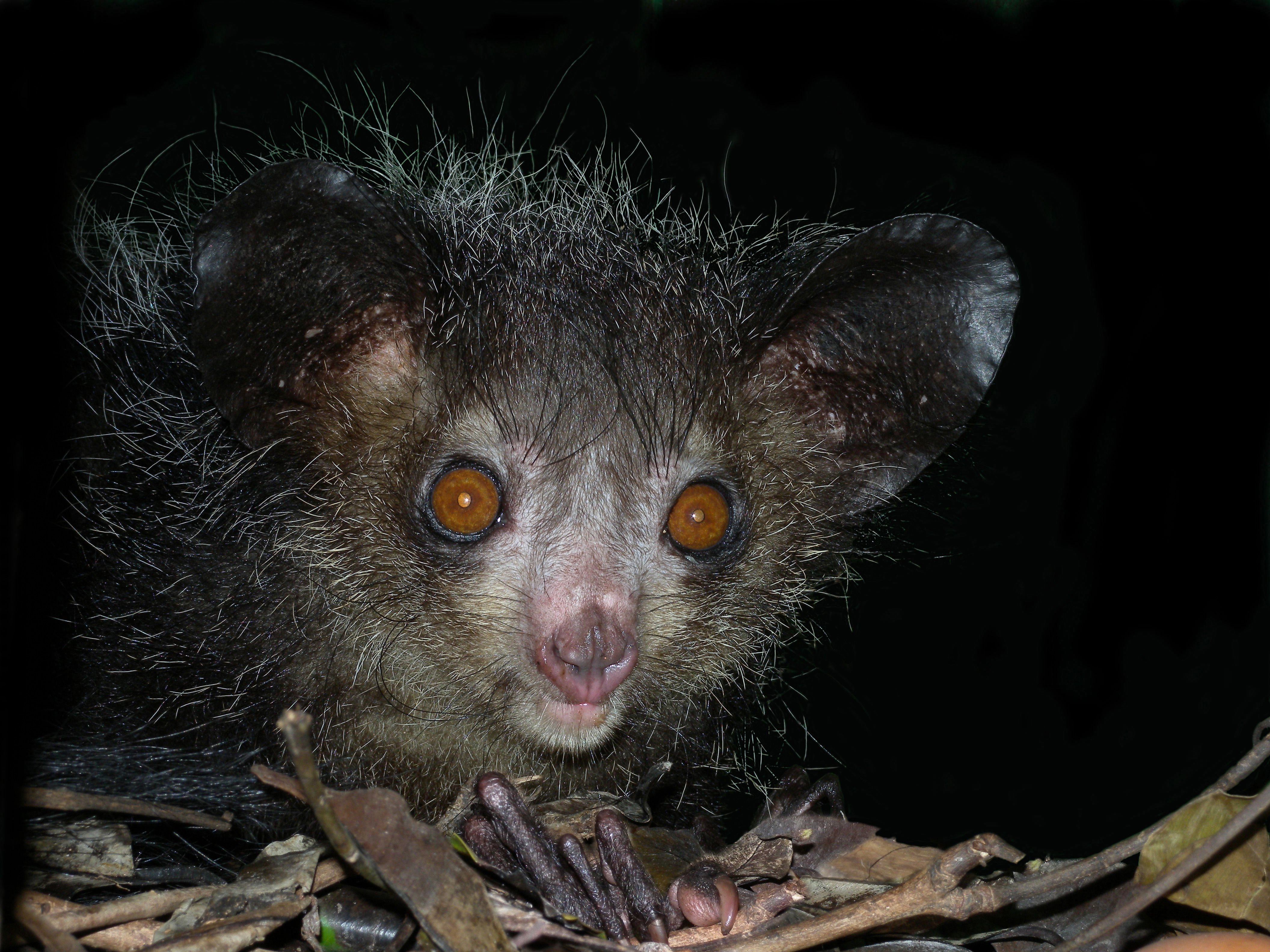
Mammal
Nocturnal lemur with large ears and an extremely elongated finger to extract larvae.
View sheet →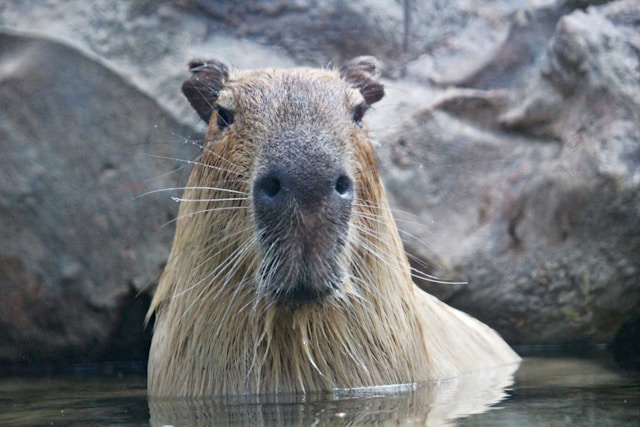
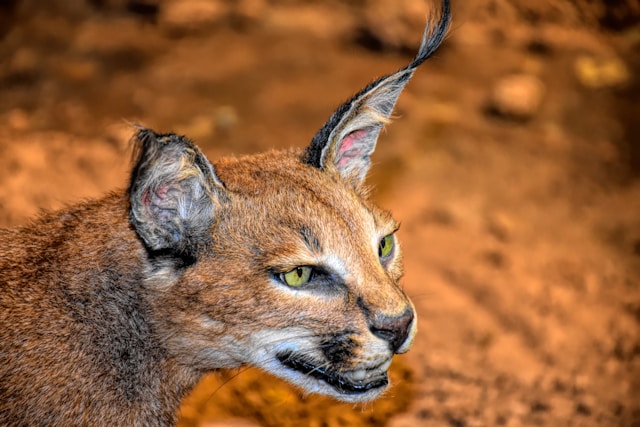
Mammal
Medium-sized feline with tall ears tipped with characteristic black tufts.
View sheet →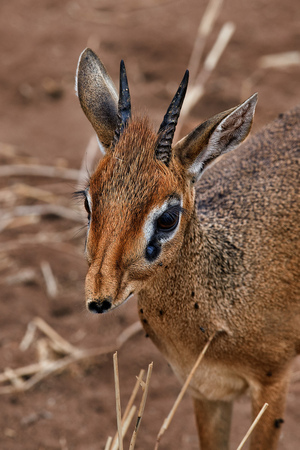
Mammal
Small antelope with large eyes and elongated snout inhabiting savannas and dry scrubland.
View sheet →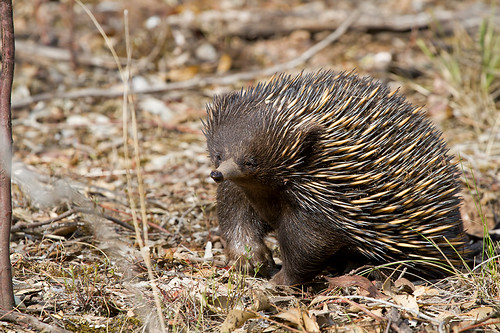
Mammal
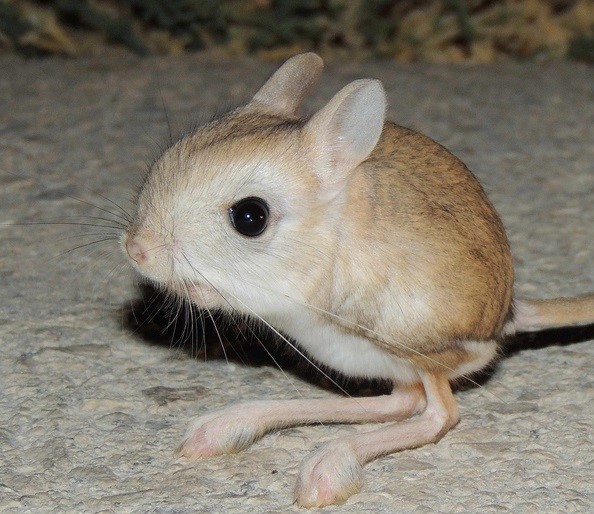
Small spiny mammal that lays eggs and feeds on ants and termites.
View sheet →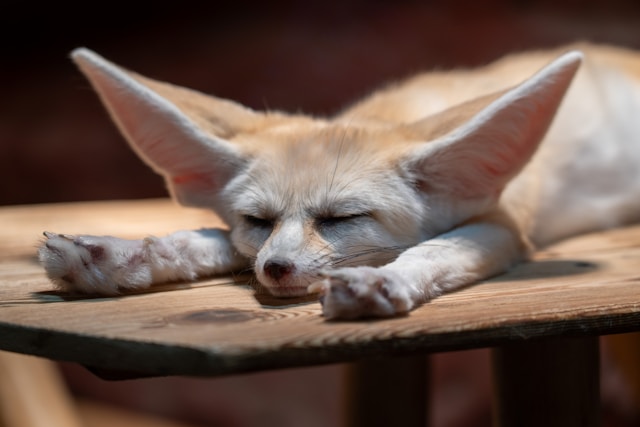
Mammal
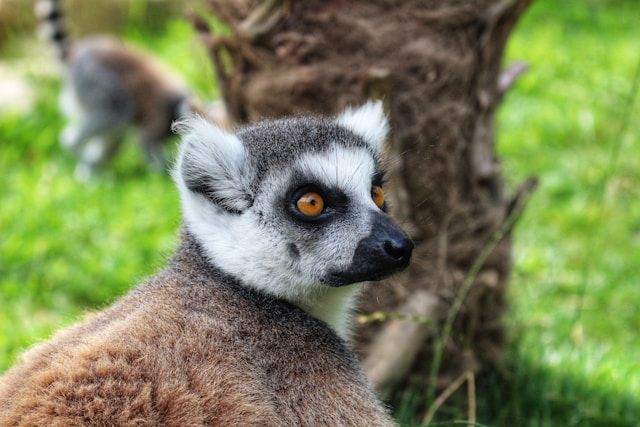
Social primate from Madagascar with long black and white ringed tail.
View sheet →
Mammal
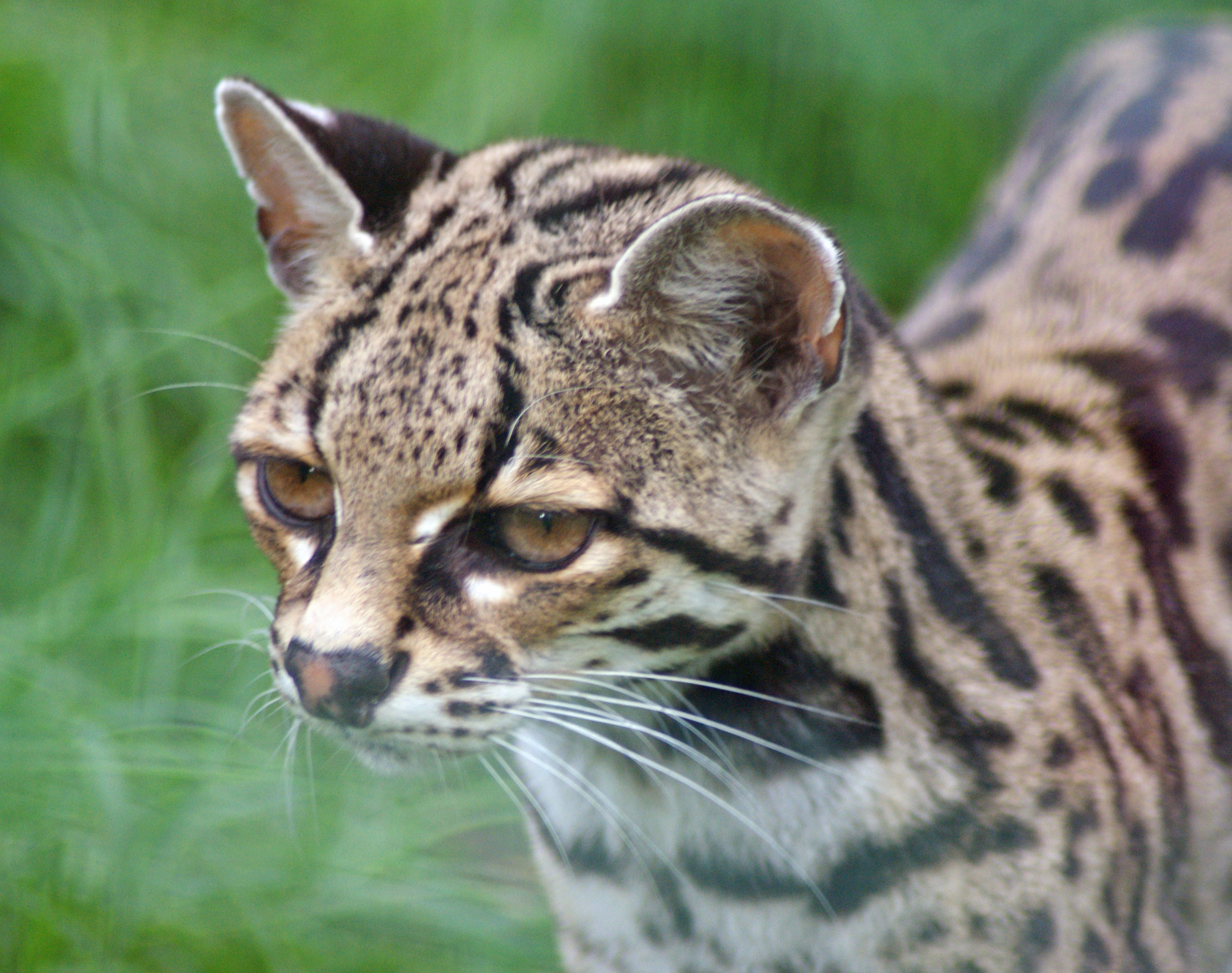
Small arboreal feline with large eyes and extraordinary climbing ability.
View sheet →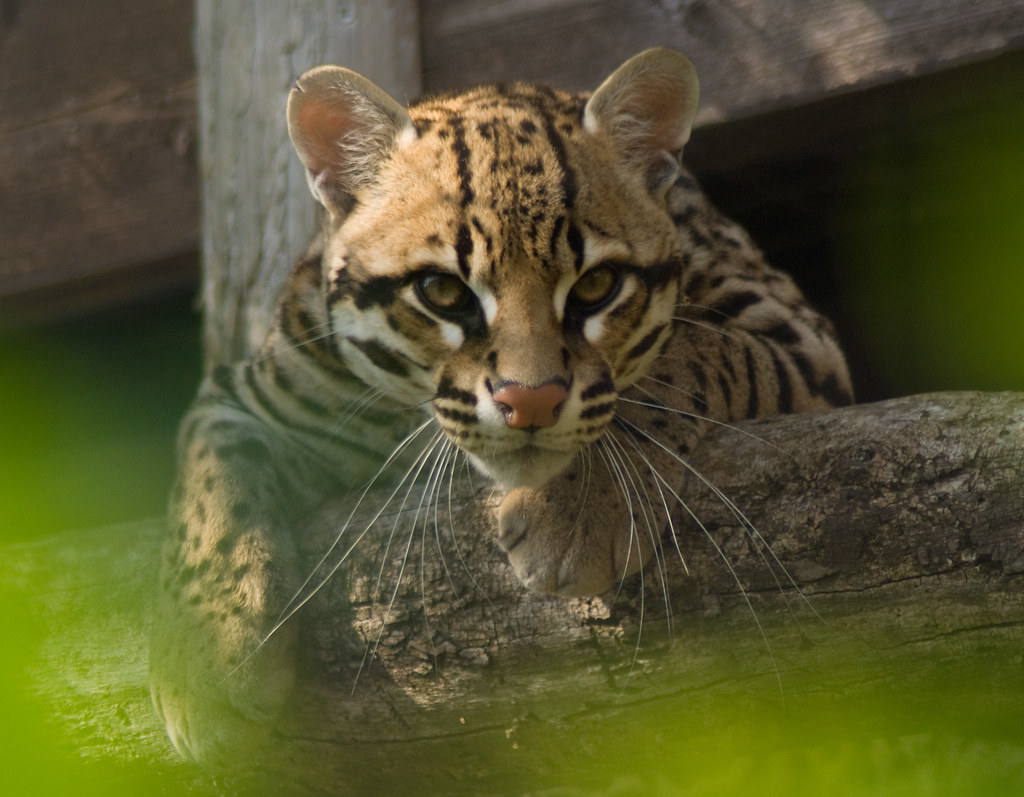
Mammal
Small wild cat with spotted coat that inhabits rainforests and dense forests of America.
View sheet →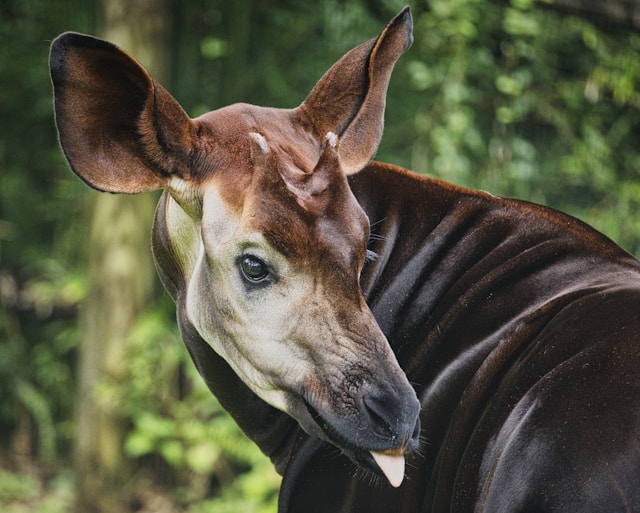
Mammal
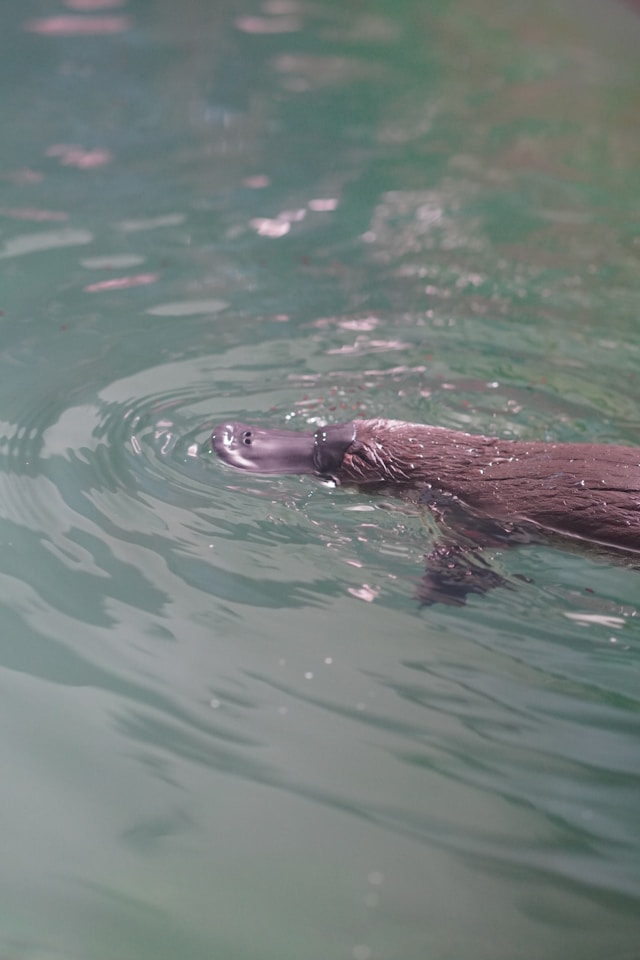
Unique semi-aquatic egg-laying mammal with a duck bill and beaver tail.
View sheet →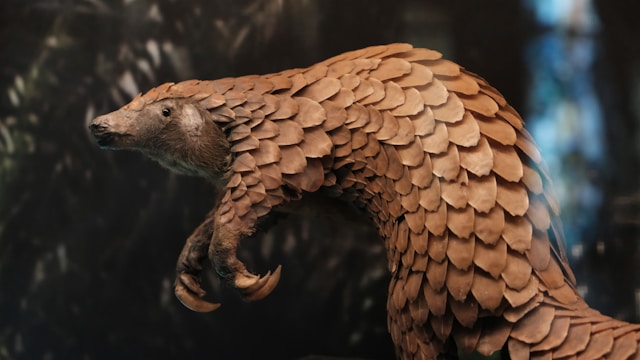
Mammal
Insectivorous mammal covered in horny scales, specialized in eating ants and termites.
View sheet →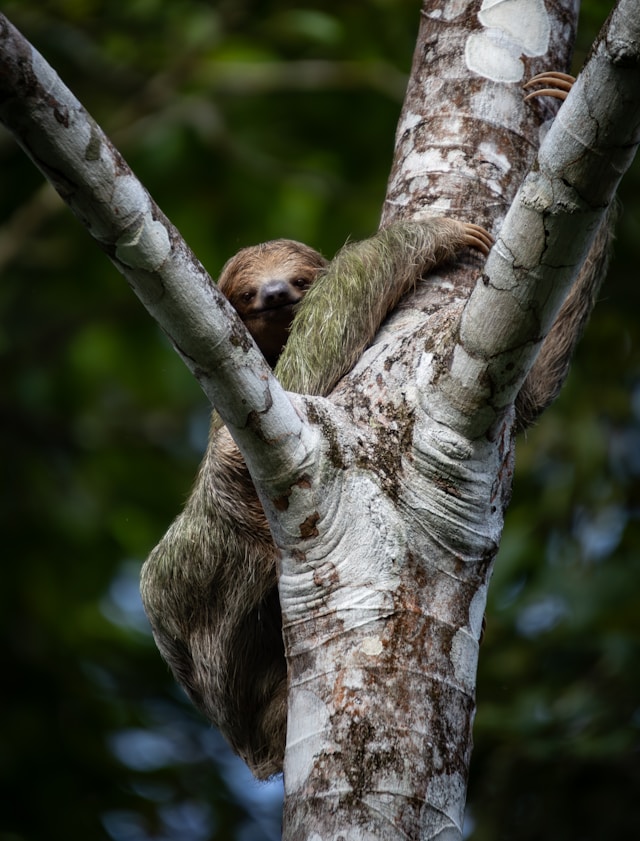
Mammal
Arboreal mammal with very slow movements that spends most of its time hanging from trees.
View sheet →

Mammal
Small insectivorous mammal from Madagascar with spines and striking stripes.
View sheet →
Fish
Large, very fast pelagic fish, subject to one of the most valuable and regulated fisheries in the world.
View sheet →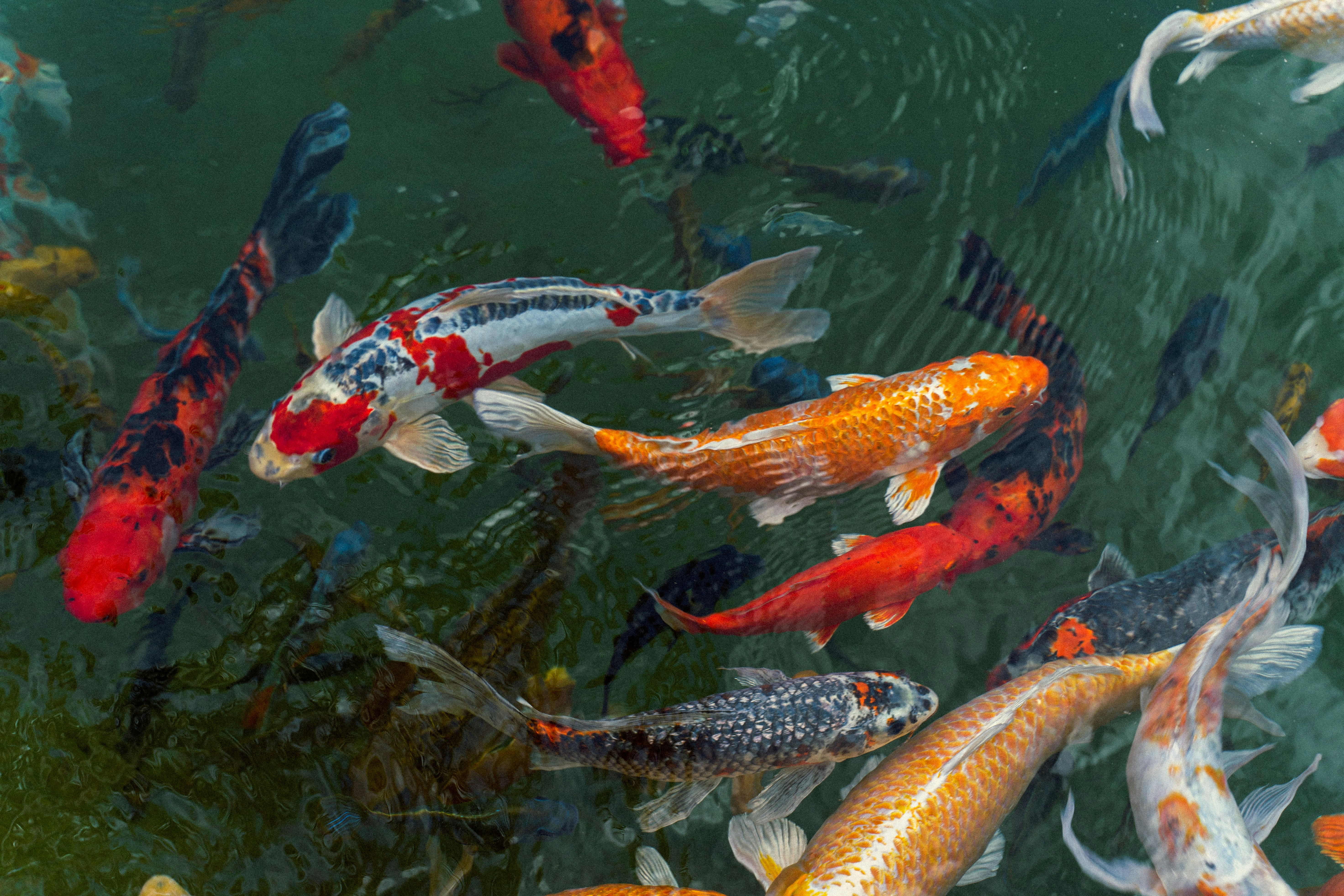
Fish
Ornamental carp variety bred for its color patterns, very popular in garden ponds.
View sheet →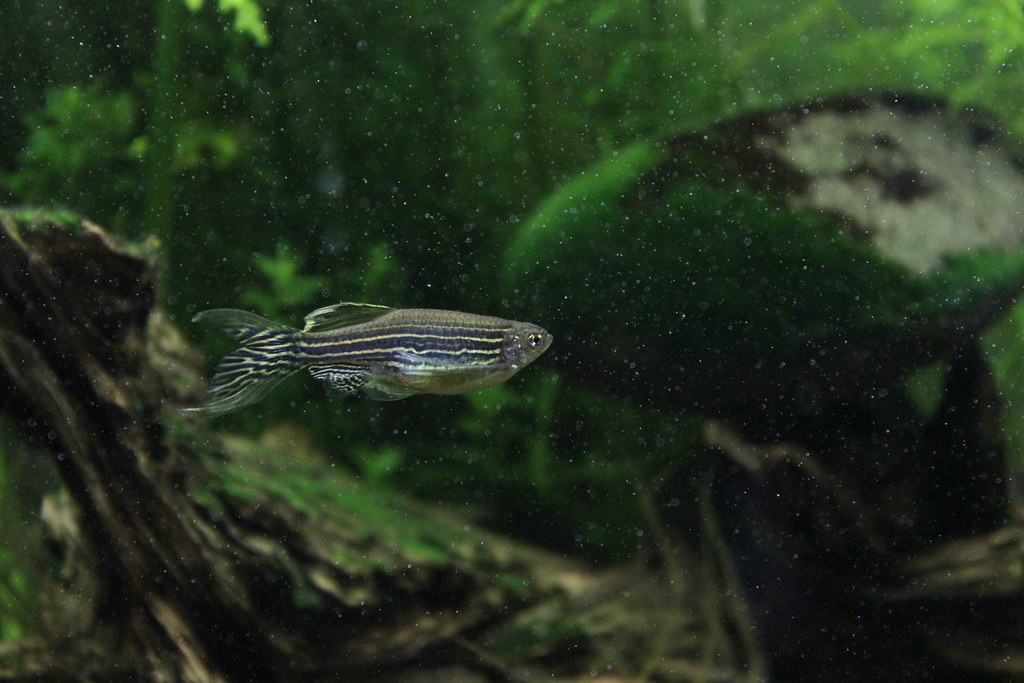
Fish
Small, very active striped fish, used both in aquariums and in scientific research.
View sheet →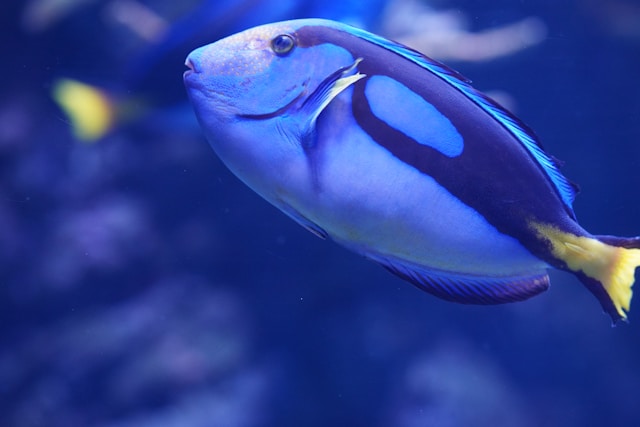
Fish
Marine fish with intense blue color and yellow tail, well known for its appearance in movies.
View sheet →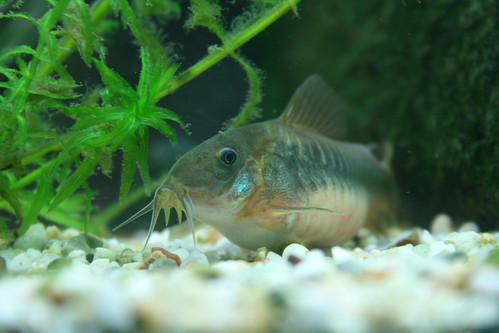
Fish
Small bottom-dwelling catfish, peaceful and very popular in community aquariums.
View sheet →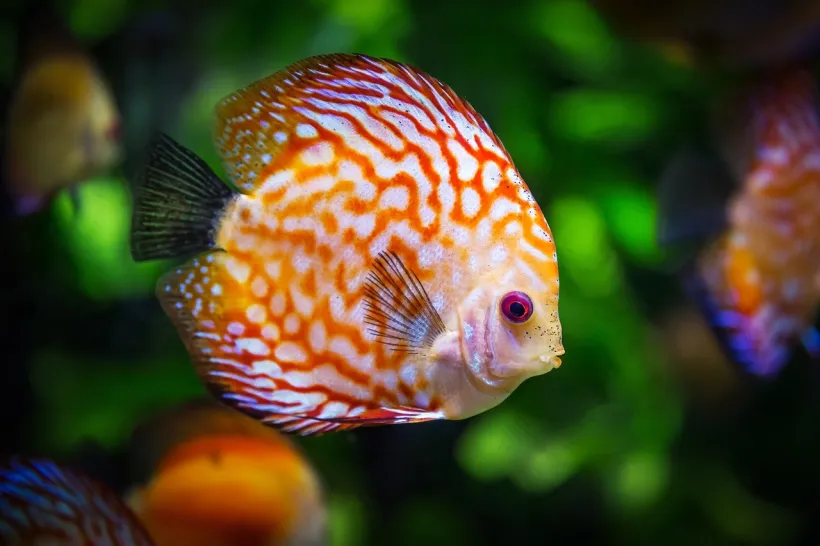
Fish
Amazonian cichlid with rounded body and very striking colors, appreciated by advanced hobbyists.
View sheet →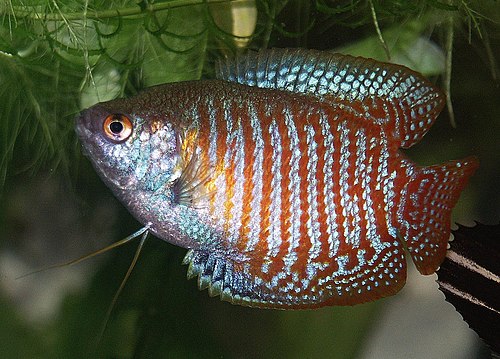
Fish
Small labyrinth fish with vivid colors, appreciated in peaceful community aquariums.
View sheet →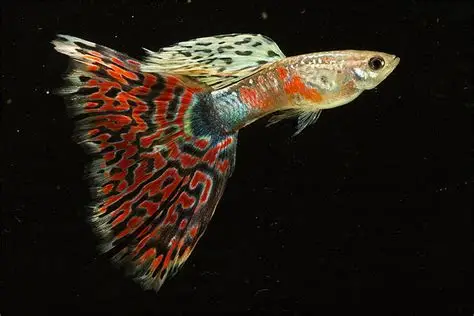
Fish
Small, very prolific tropical fish, famous for the variety of colors and tails in males.
View sheet →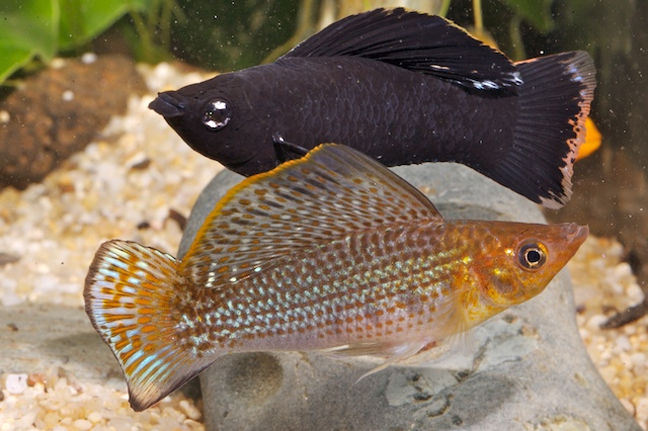
Fish
Hardy livebearer fish, available in many color varieties such as the black molly.
View sheet →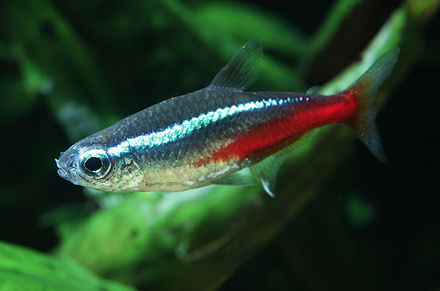
Fish
Small Amazonian fish with intense blue and red colors, very popular in planted aquariums.
View sheet →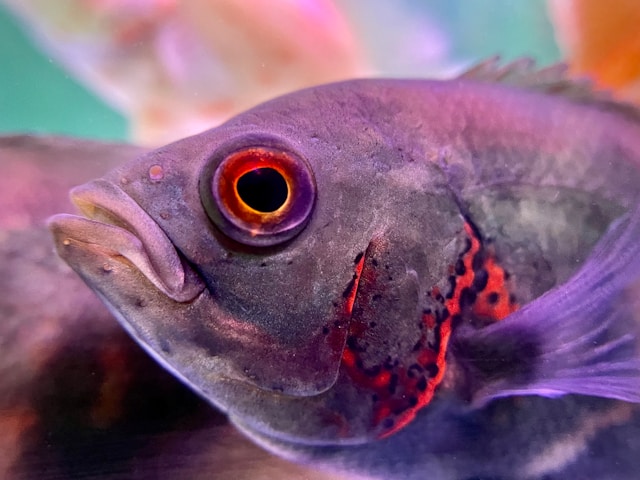
Fish
Large and intelligent cichlid, known for its interactive behavior and strong character.
View sheet →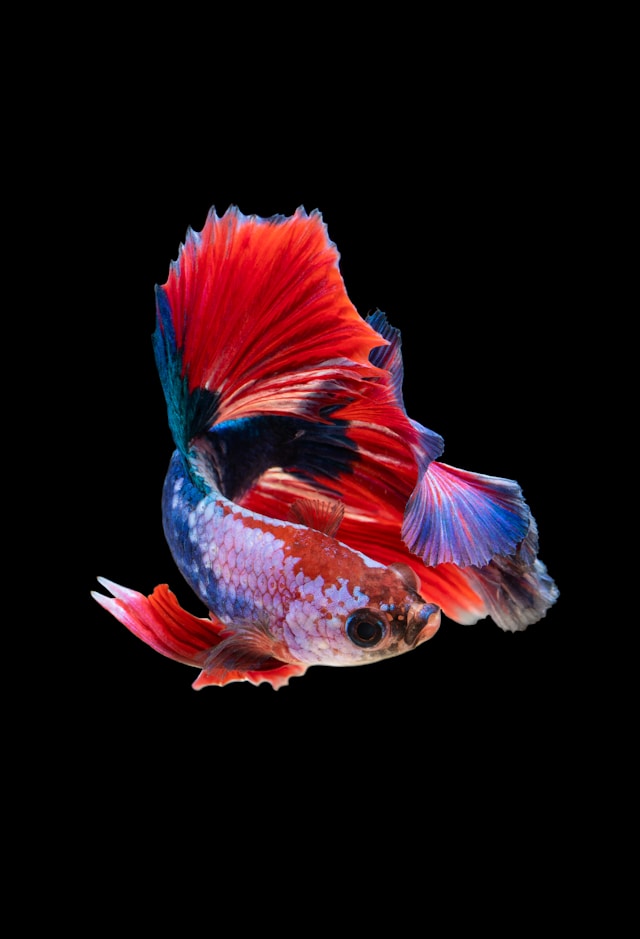
Fish
Fish with intense colors and long fins, very popular in small aquariums.
View sheet →
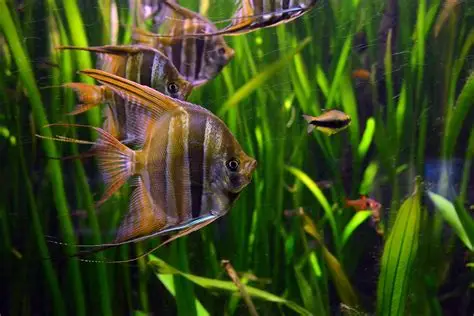
Fish
Amazonian cichlid with tall body and triangular fins, very popular in large community aquariums.
View sheet →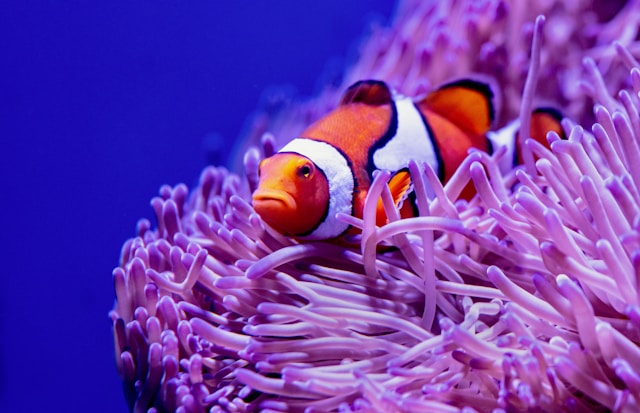
Fish
Small orange marine fish with white bands, famous for its relationship with sea anemones.
View sheet →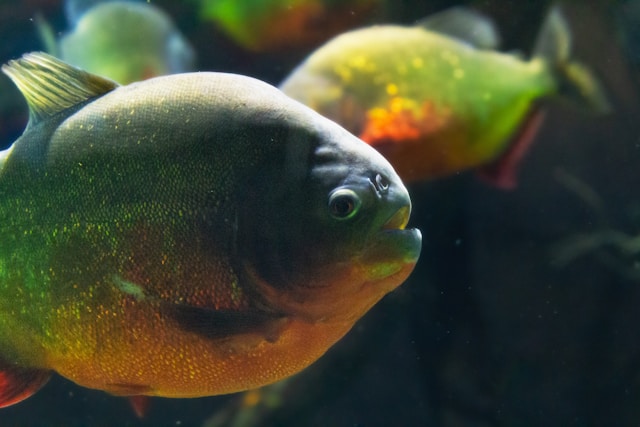
Fish
Characin known for its powerful teeth and reputation as an opportunistic predator.
View sheet →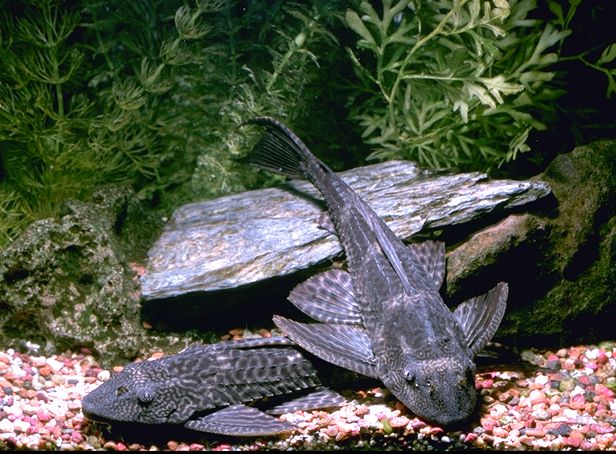
Fish
Common name for several armored catfish that feed on algae and debris at the bottom.
View sheet →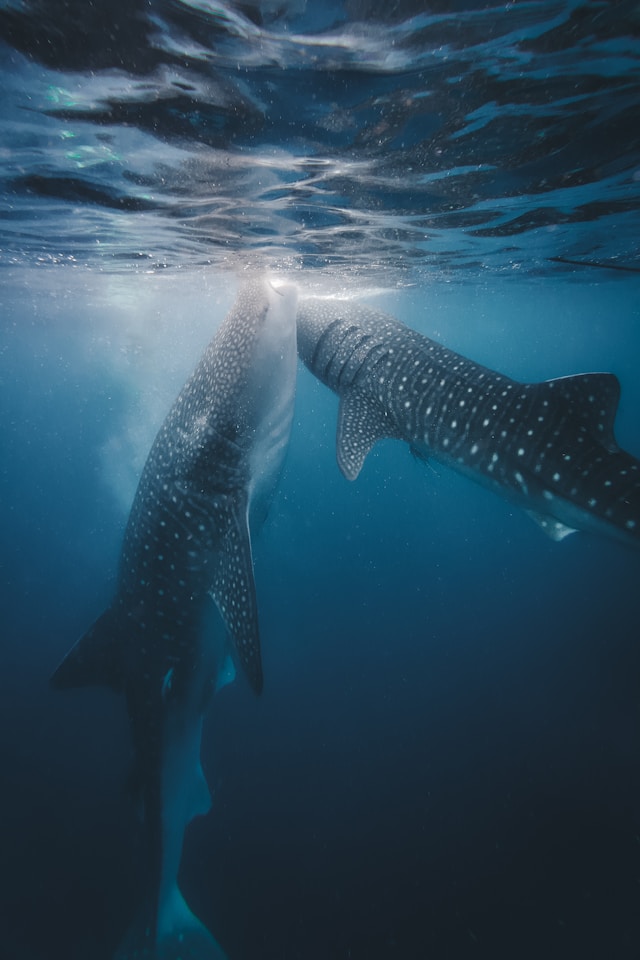
Fish
The largest fish in the world, a filter-feeding shark that feeds on plankton and small fish.
View sheet →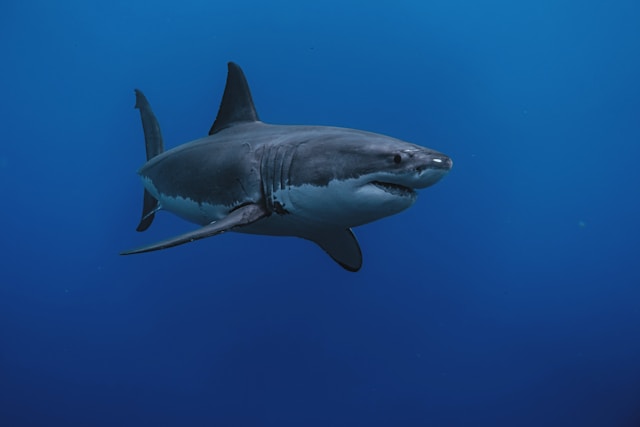
Fish
Large predatory shark from temperate and cold waters, one of the most famous fish on the planet.
View sheet →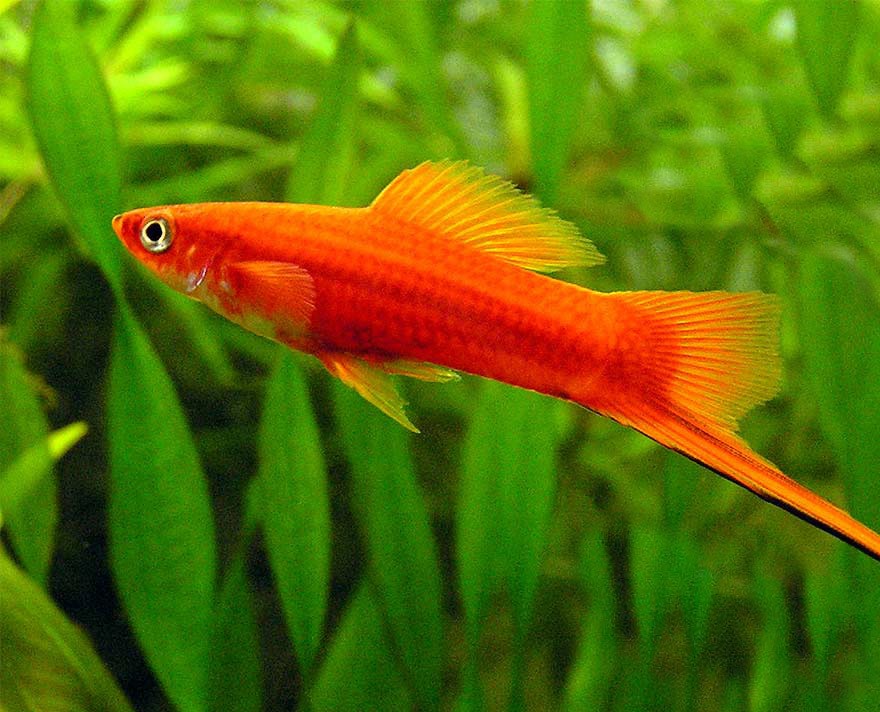
Fish
Active livebearer fish whose male has a characteristic sword-shaped extension on the tail.
View sheet →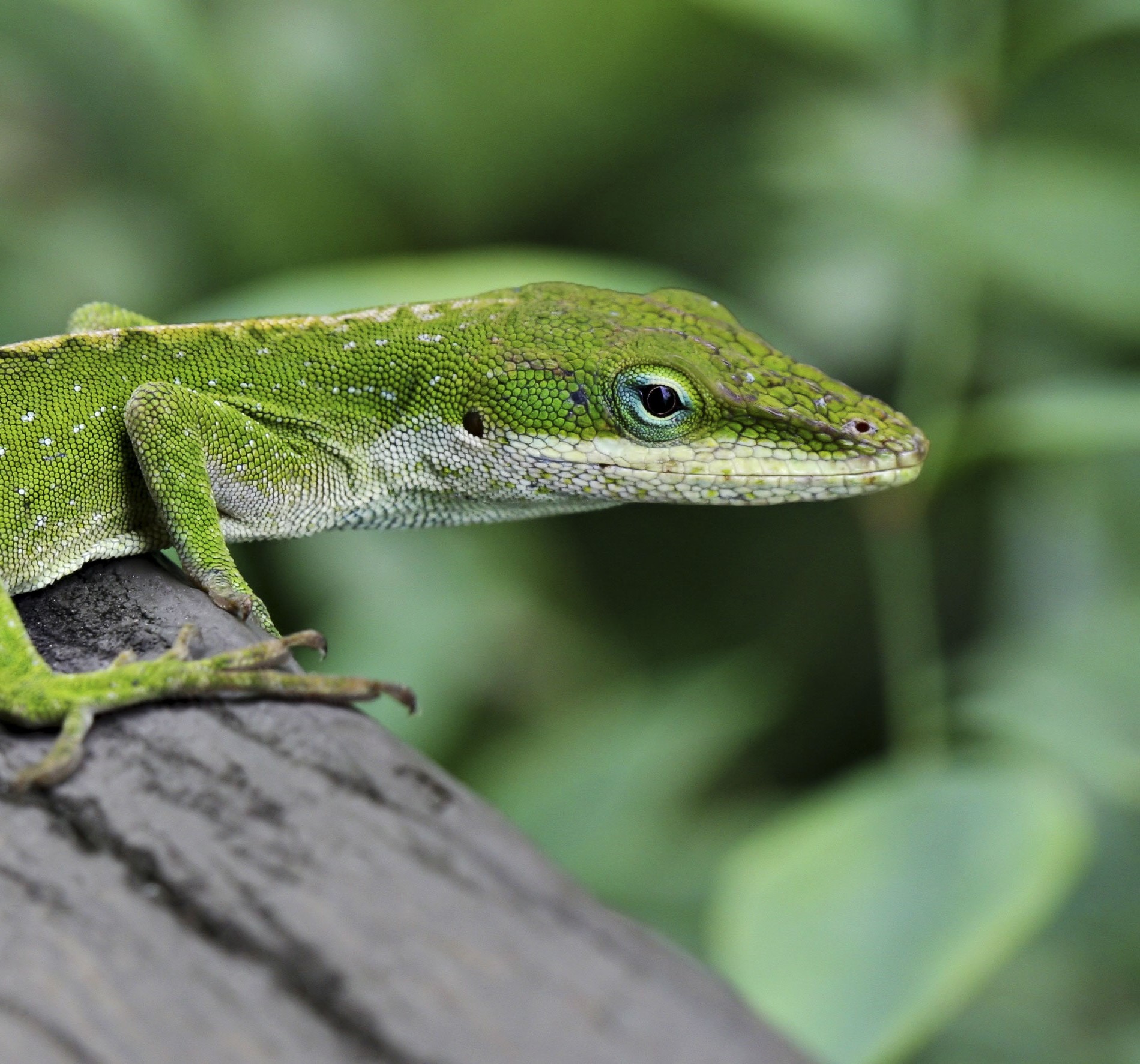
Reptile
Small arboreal lizard capable of changing from green to brown, common in the southeastern United States.
View sheet →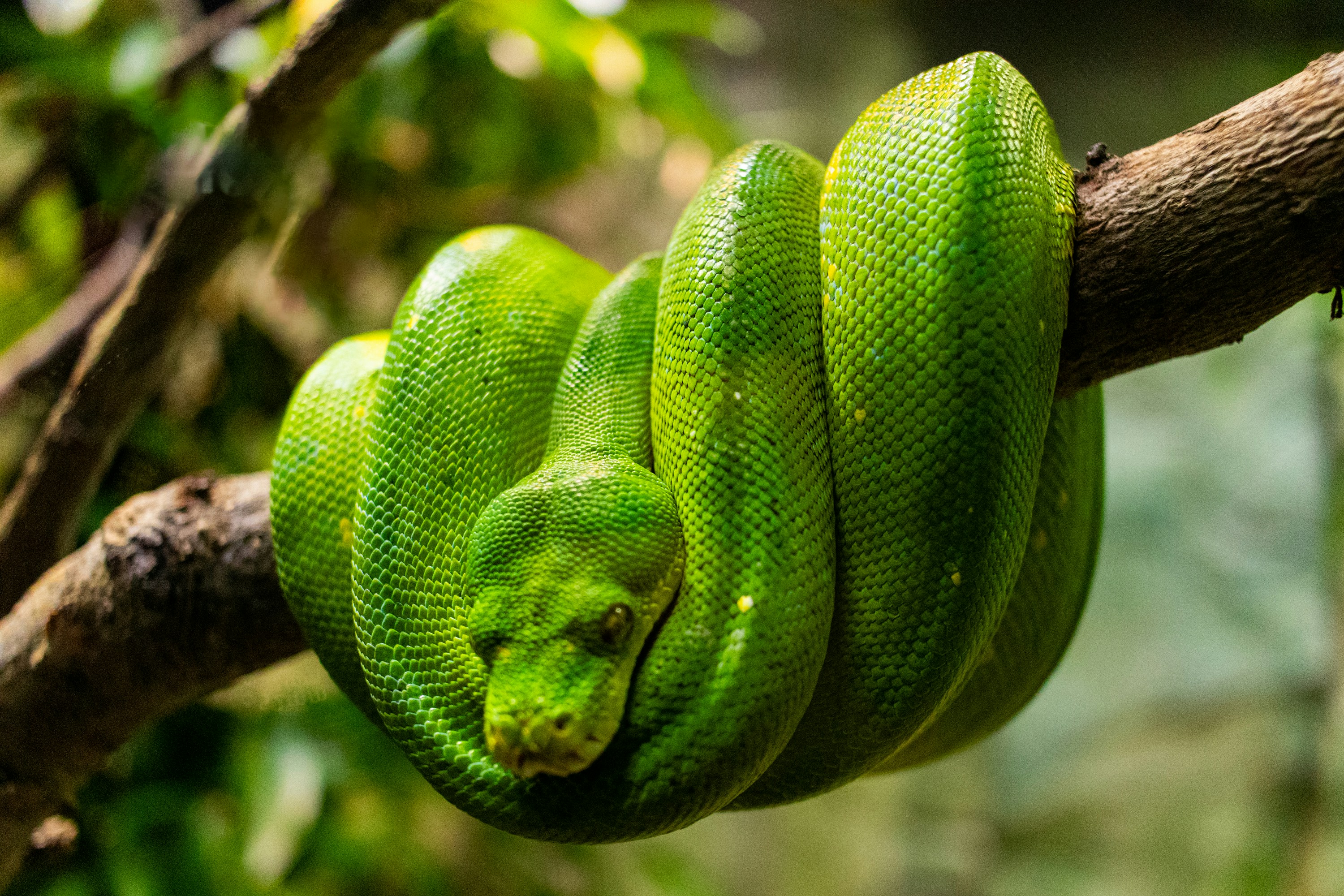
Reptile
Arboreal snake with intense green color and white spots, native to the Amazon.
View sheet →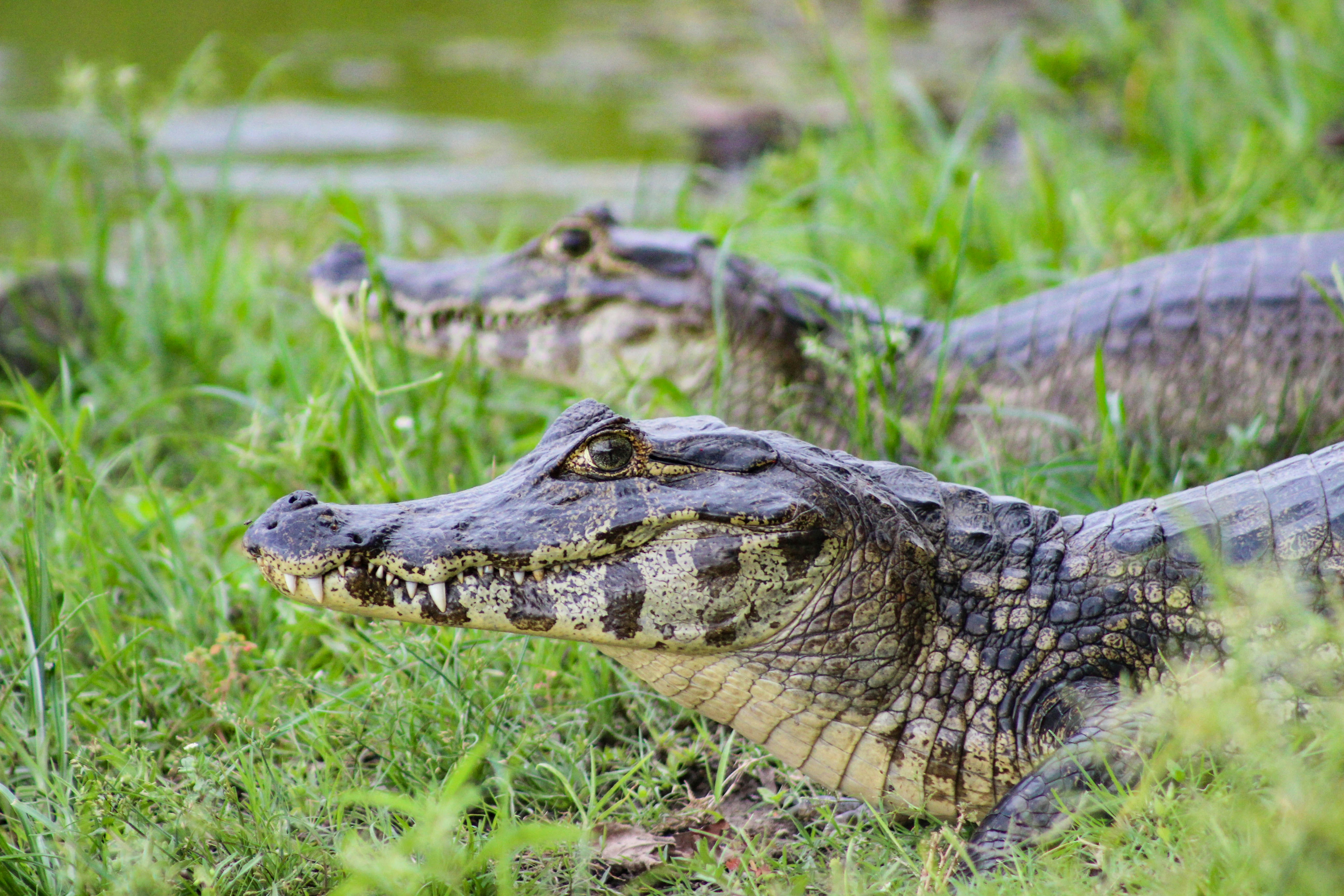
Reptile
Medium-sized caiman associated with wetlands and rivers of the Pantanal basin and surrounding areas.
View sheet →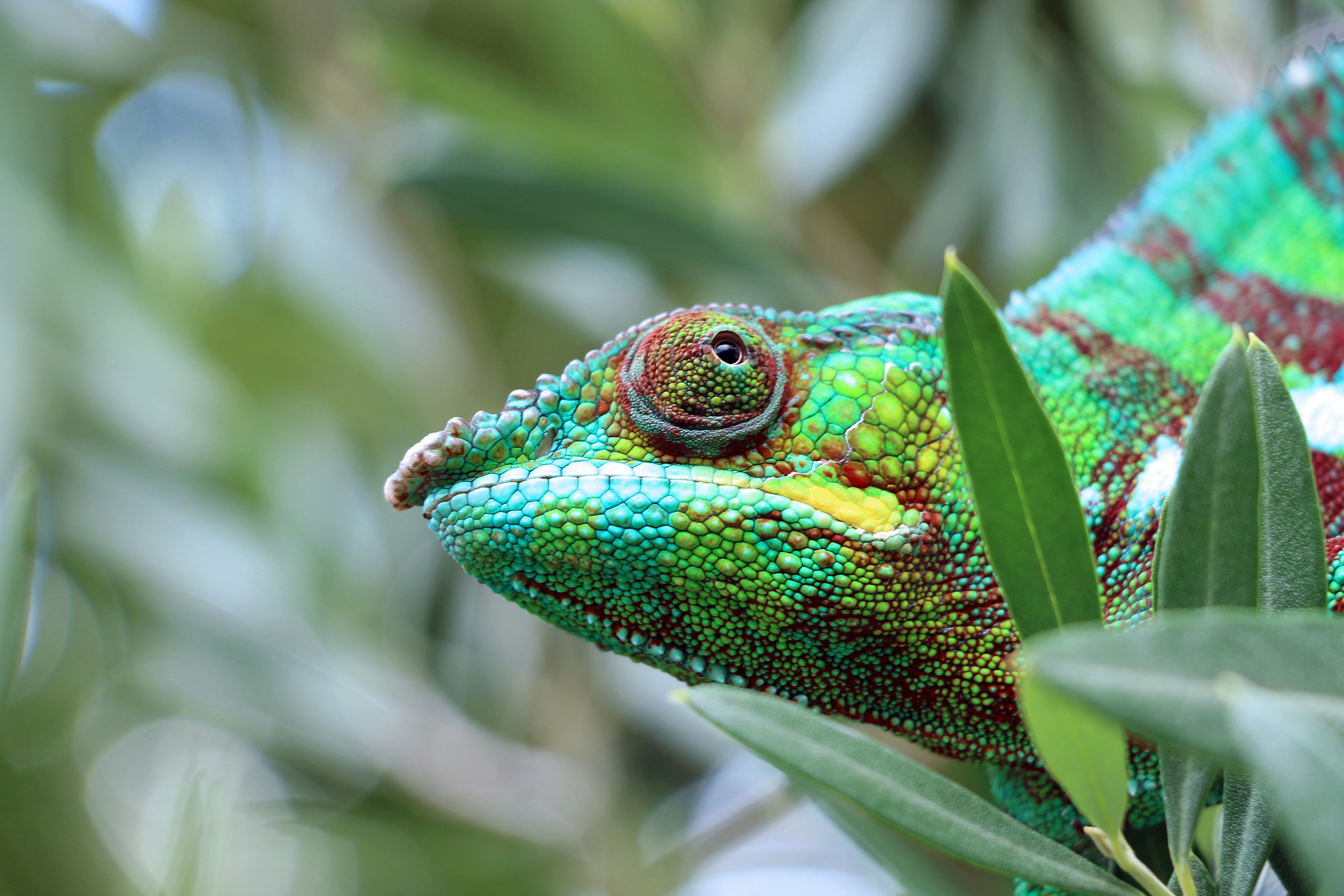
Reptile
Very colorful arboreal chameleon, endemic to Madagascar, with marked color changes.
View sheet →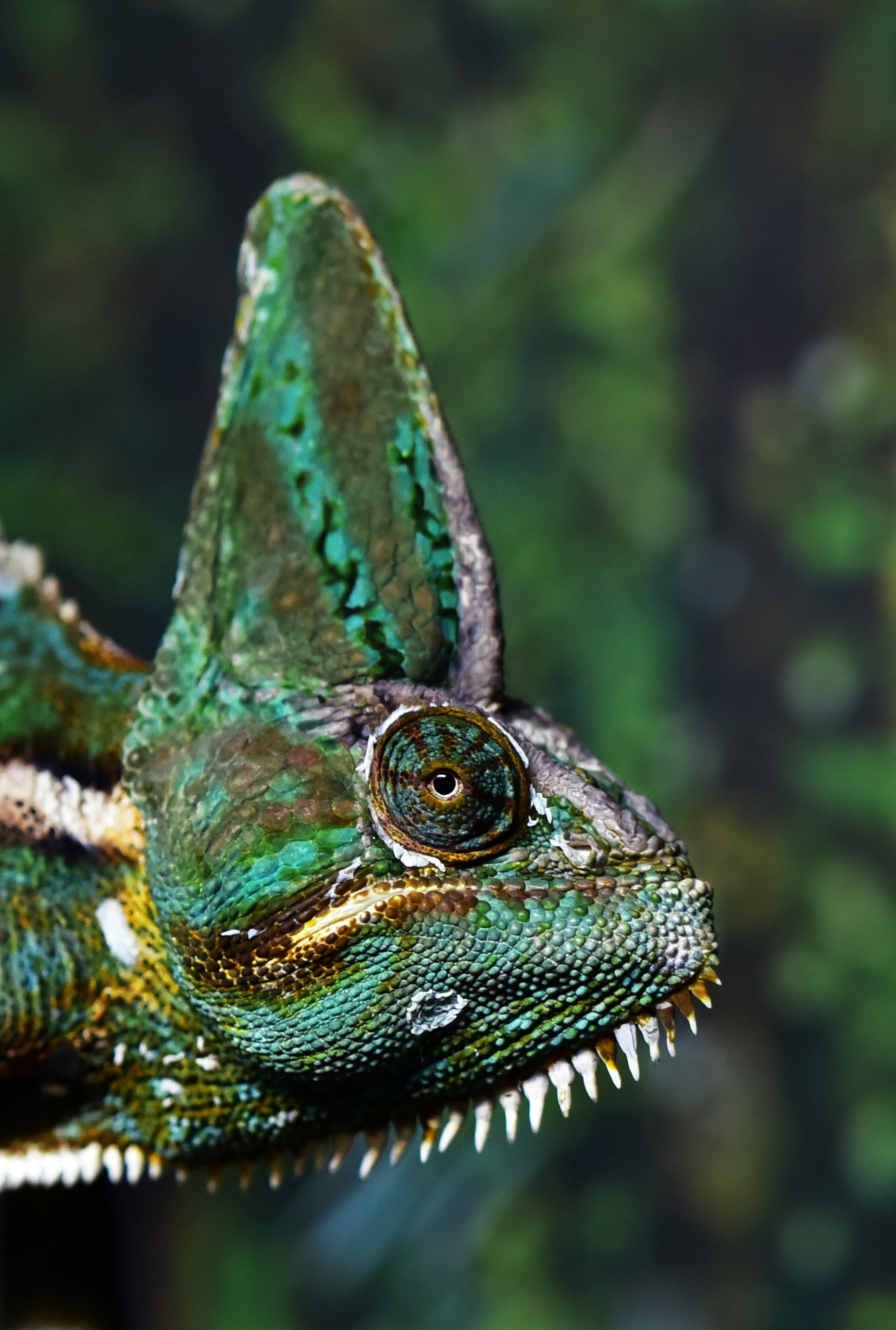
Reptile
Large chameleon with tall casque on the head, native to mountainous arid zones.
View sheet →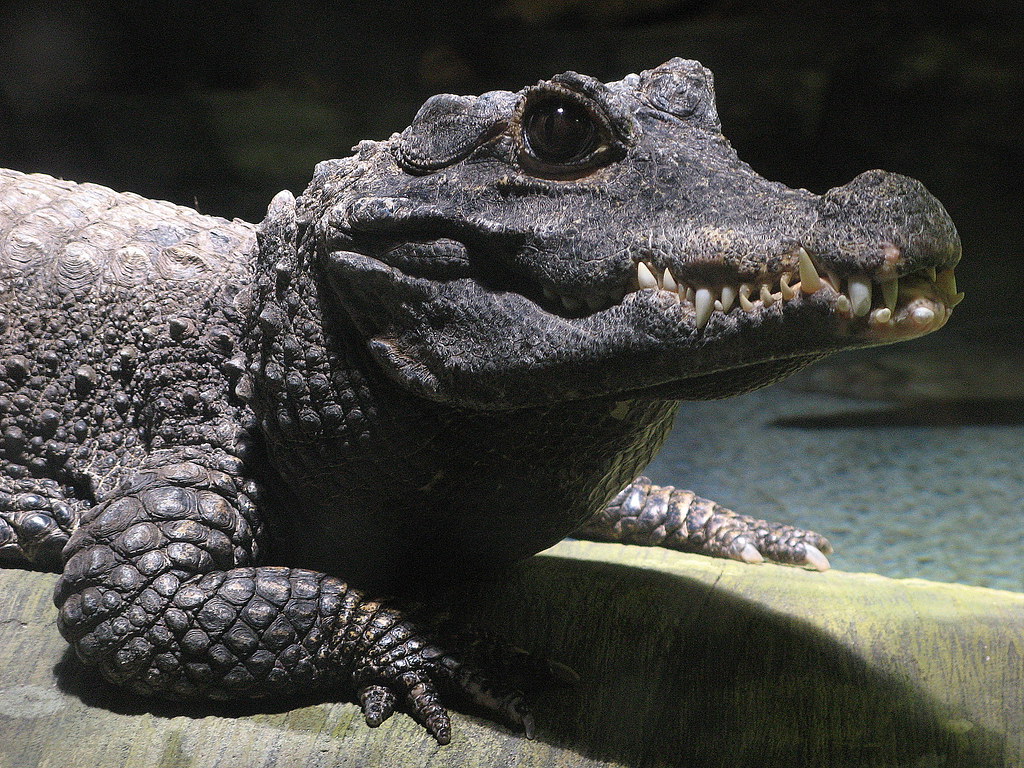
Reptile
Africa's smallest crocodile, associated with swampy forests and slow-moving waterways.
View sheet →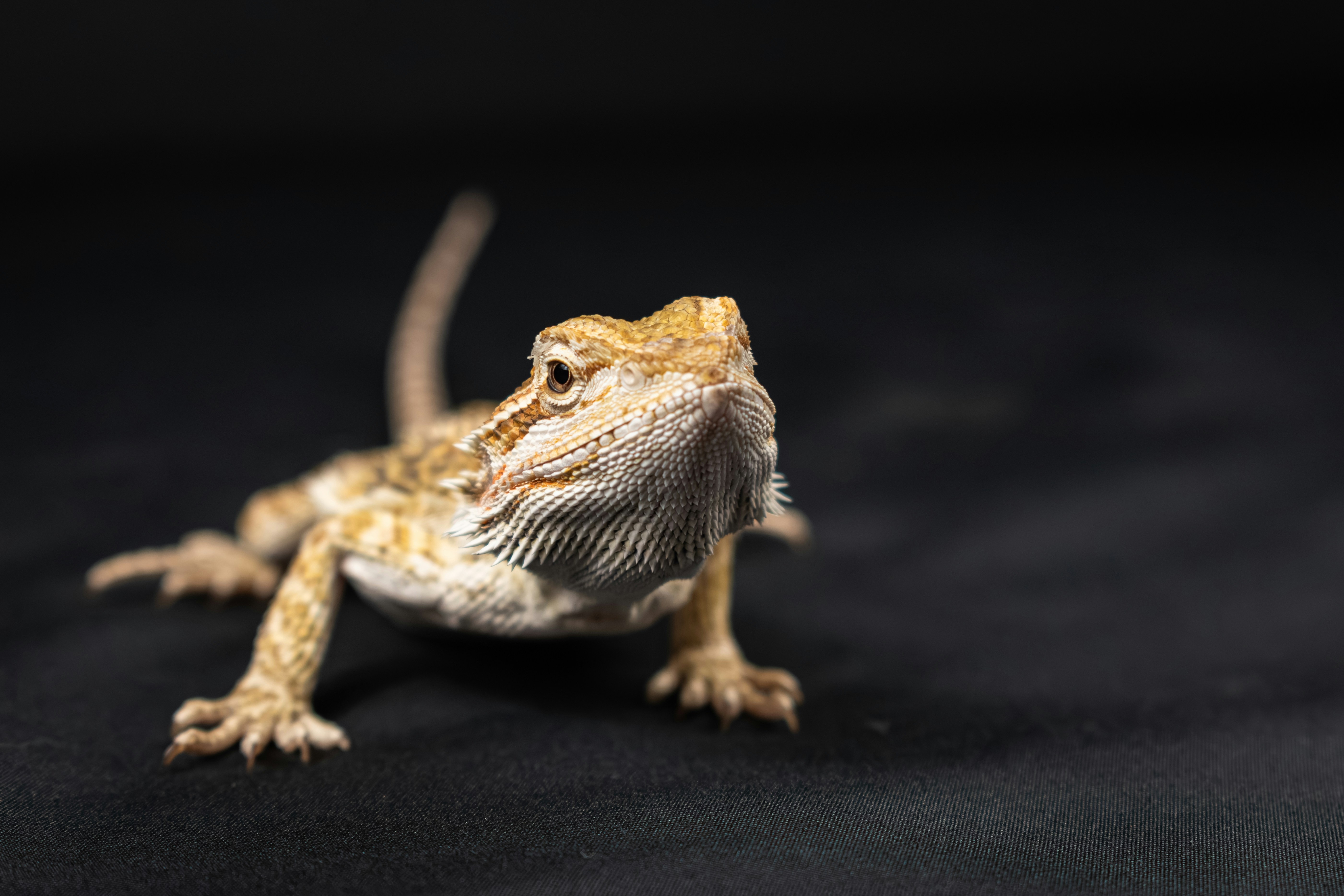
Reptile
Terrestrial lizard from central Australia, adaptable and generally calm-tempered.
View sheet →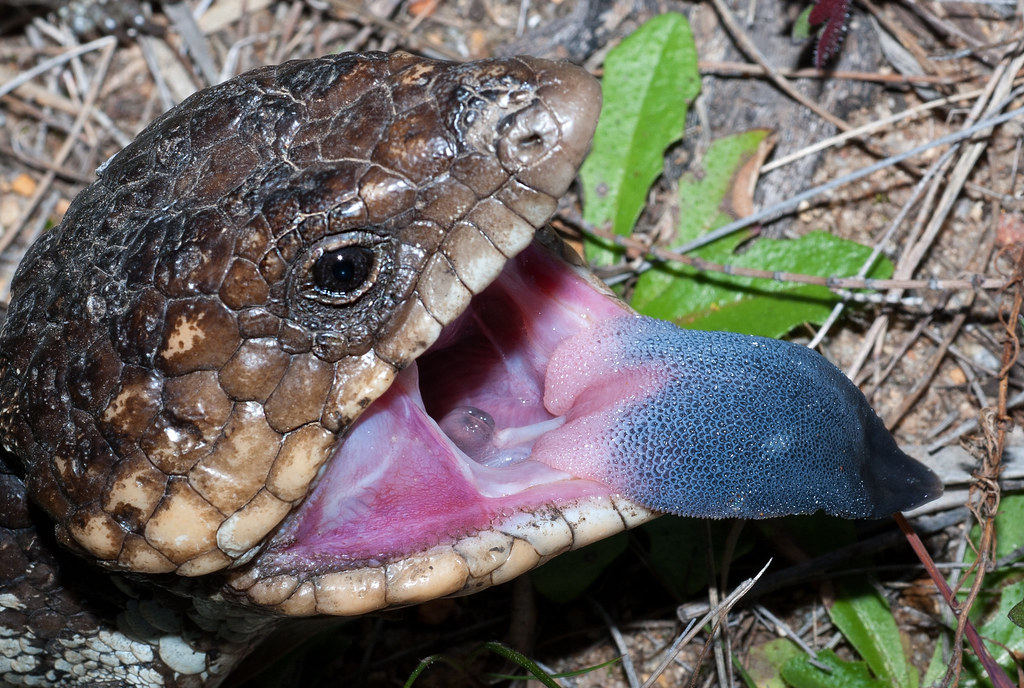
Reptile
Robust lizard with intense blue-colored tongue that displays as a defensive signal.
View sheet →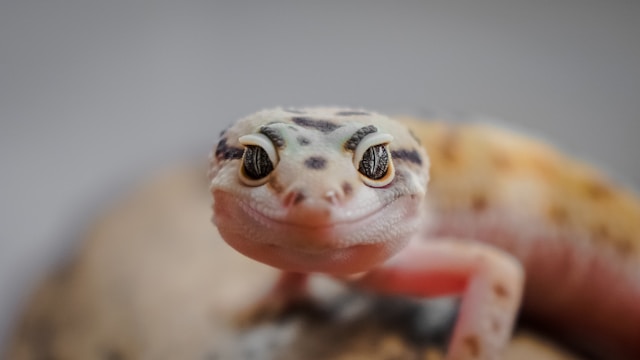
Reptile
Nocturnal and calm reptile, perfect for beginners in exotic reptiles.
View sheet →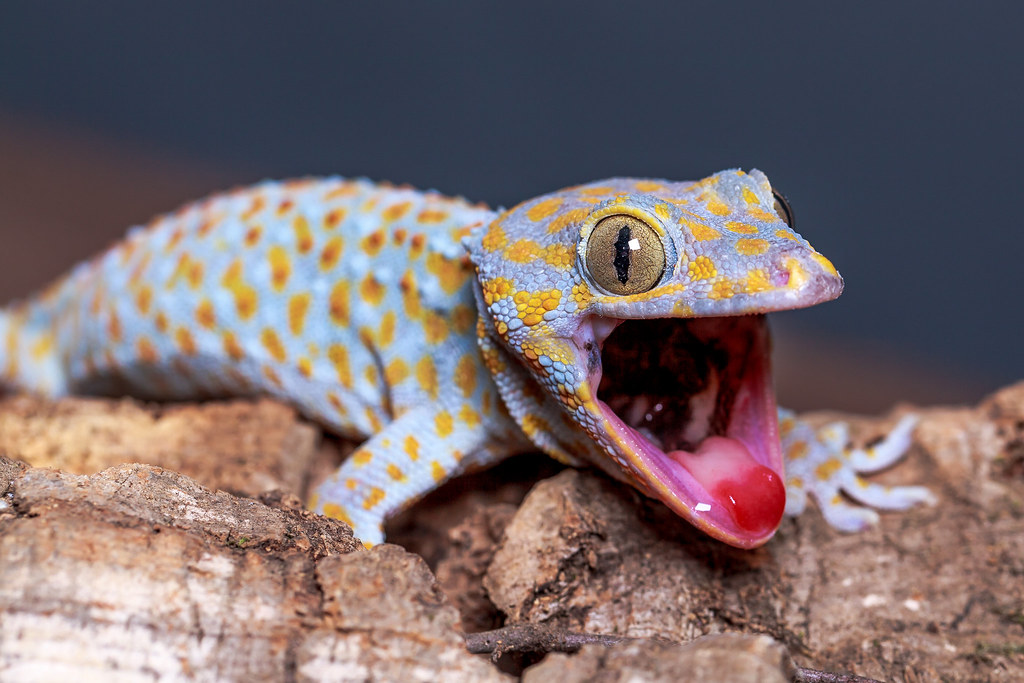
Reptile
Large robust gecko with bluish colors and orange spots, known for its powerful vocalization.
View sheet →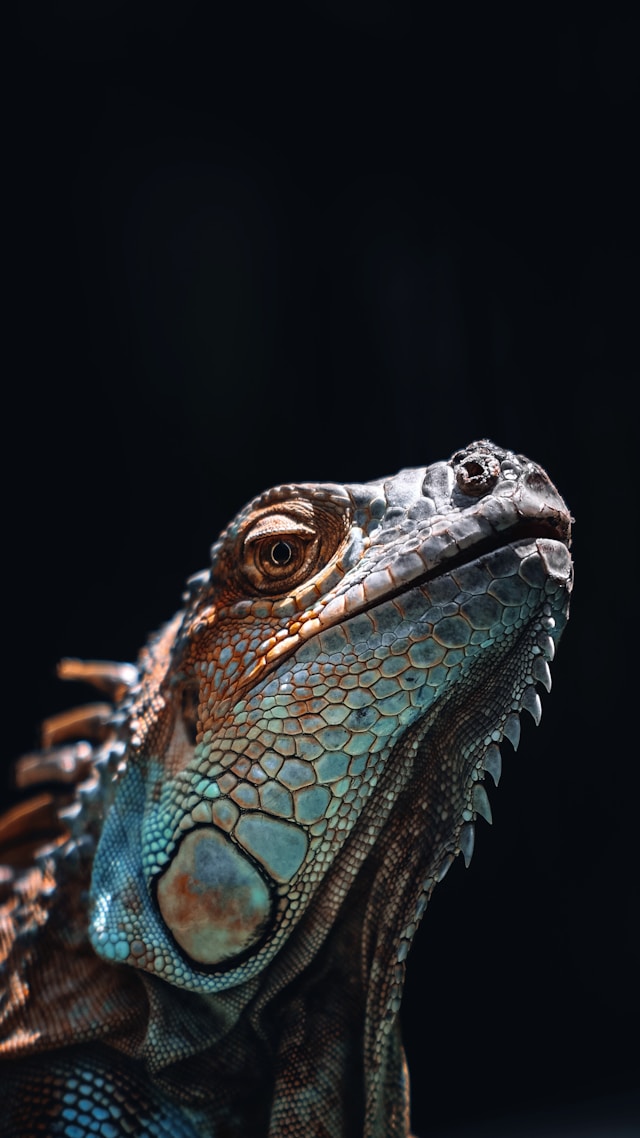
Reptile
Large herbivorous lizard from American tropical rainforests, frequently seen in trees near water.
View sheet →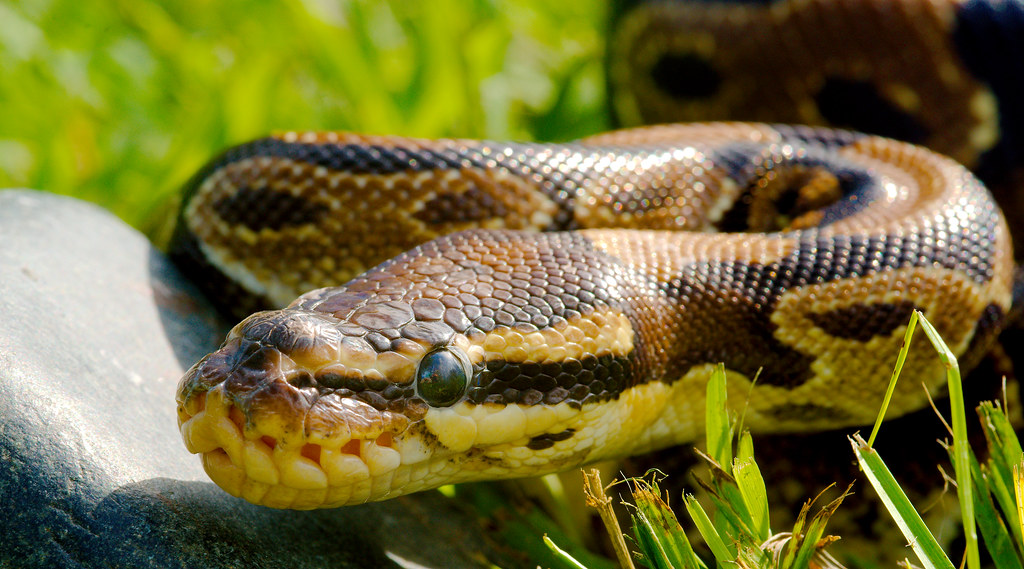
Reptile
Small African python, famous for curling into a ball when frightened.
View sheet →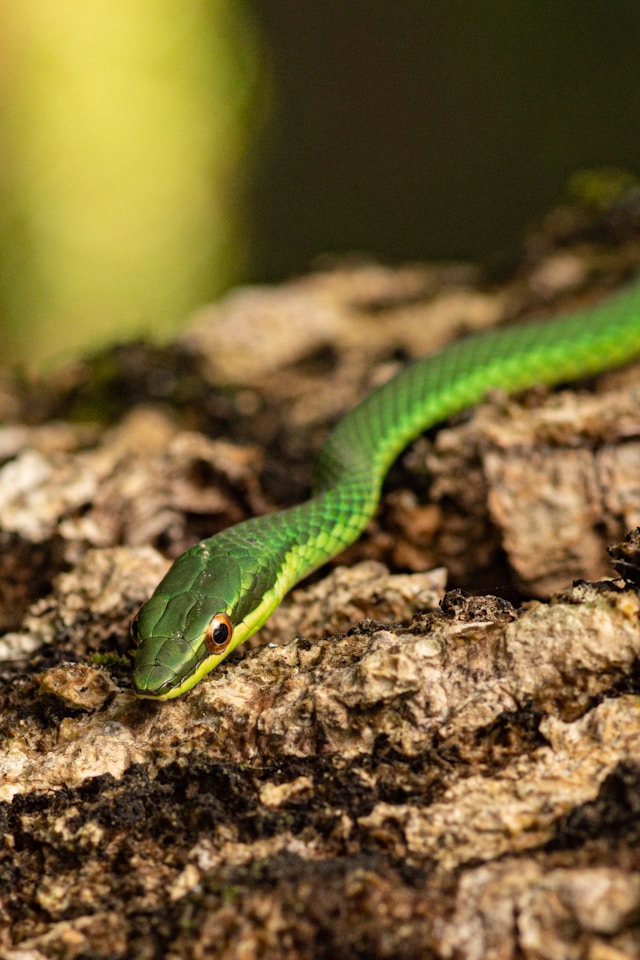
Reptile
Very slender and arboreal green-colored snake that resembles a vine among vegetation.
View sheet →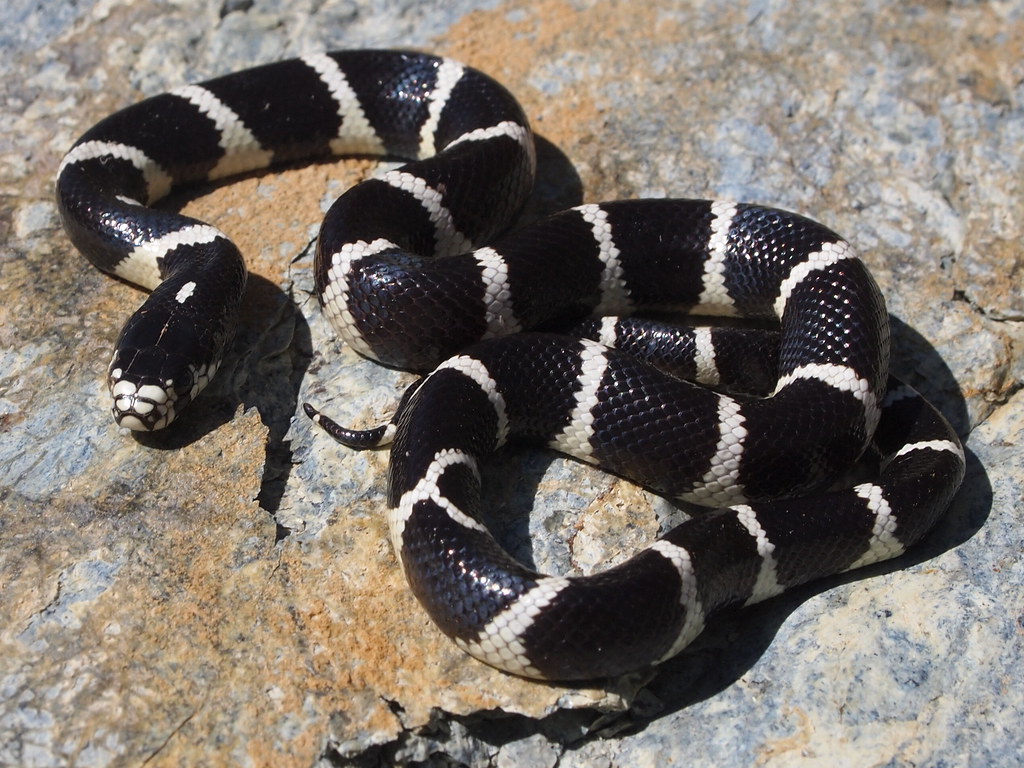
Reptile
Non-venomous snake with striking banded colors, native to North America.
View sheet →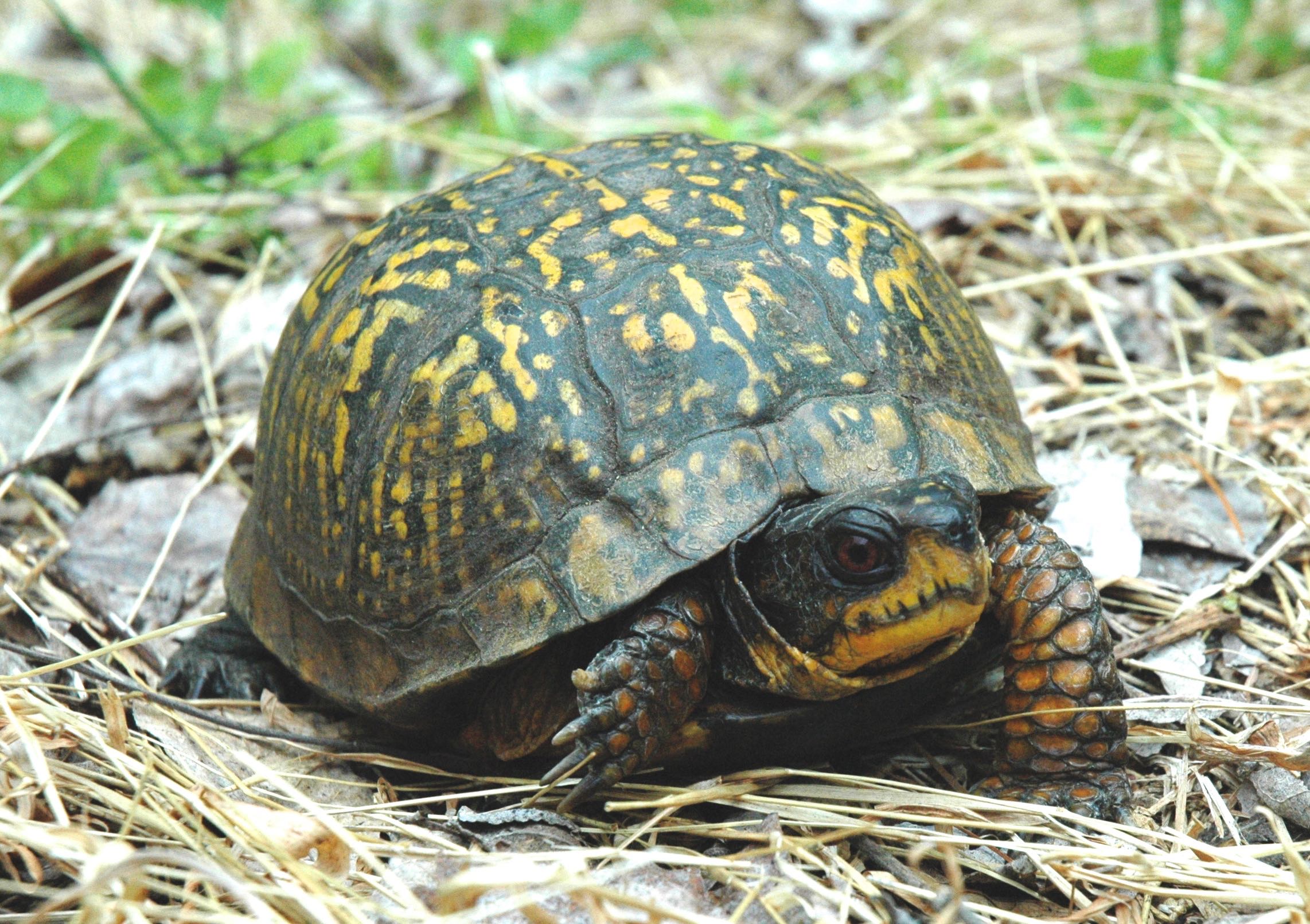
Reptile
Small terrestrial turtle with domed shell, capable of closing almost completely inside it.
View sheet →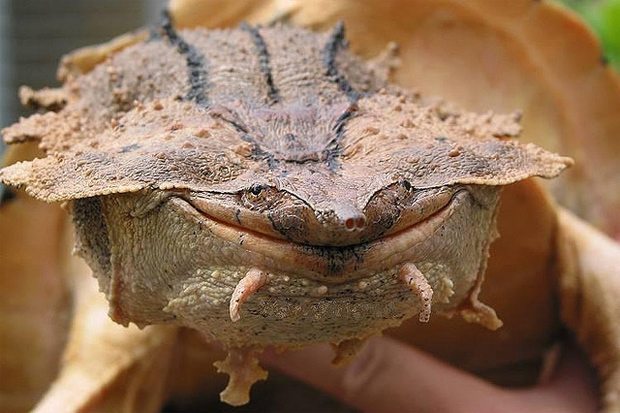
Reptile
Aquatic turtle with very peculiar appearance, with rough shell and flattened, camouflaged head.
View sheet →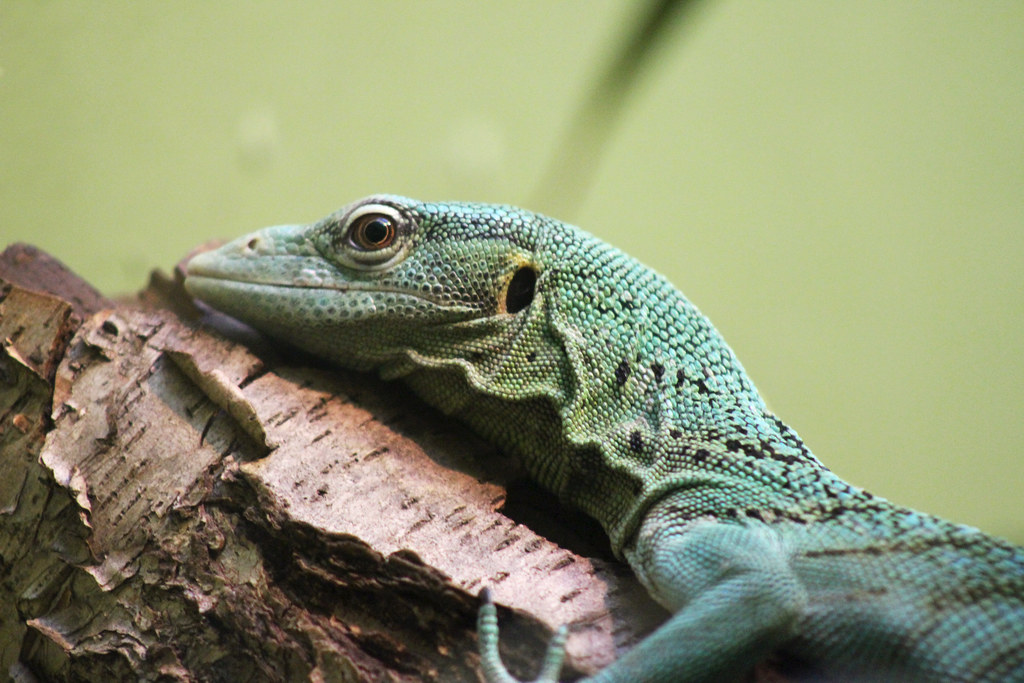
Reptile
Arboreal monitor lizard with intense green color, agile and shy, native to humid rainforests.
View sheet →