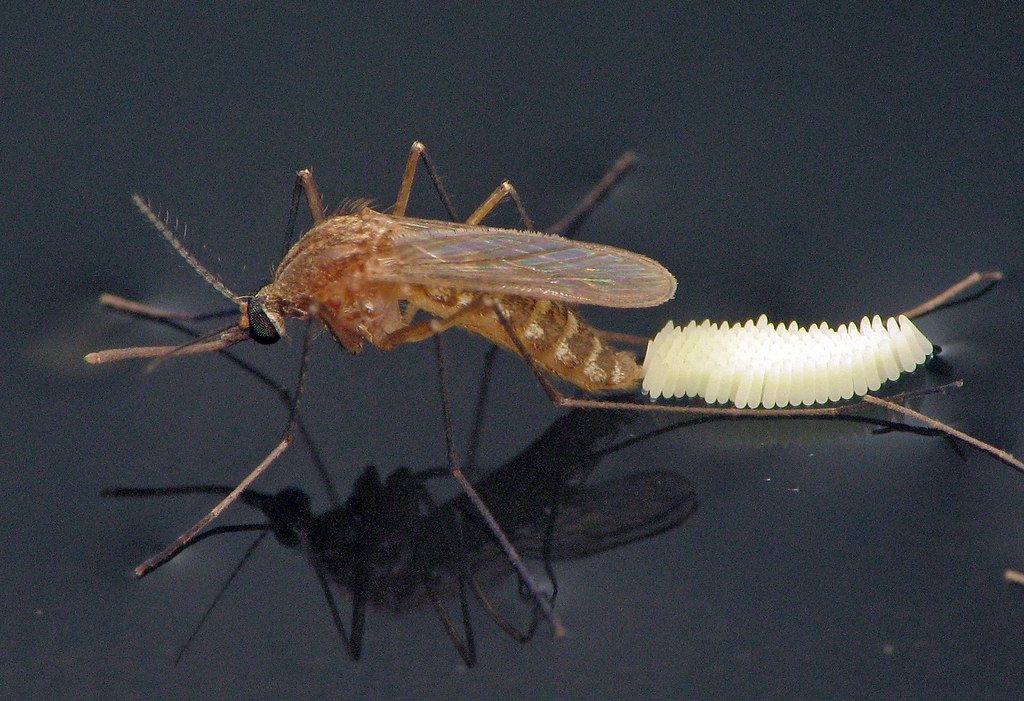
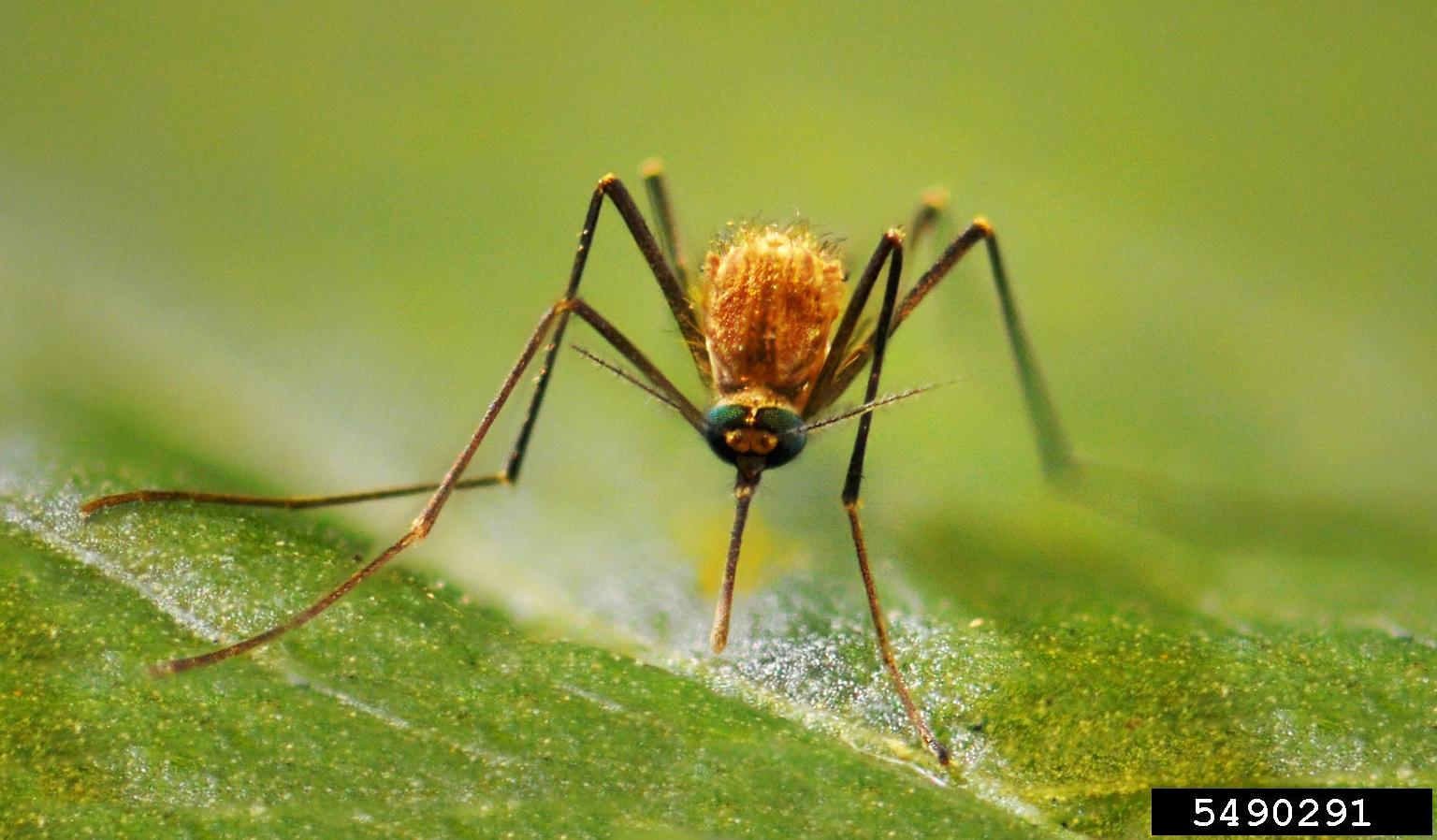
Common Mosquito

Scientific name: Culex pipiens (como ejemplo)

Type: Insect Main biome: Rivers and Wetlands Difficulty: Alta

Insect that depends on small water accumulations to complete its life cycle.

Quick facts

  • Approximate size3–6 mm
  • Average weightVery low
  • Life expectancyWeeks to few months
  • ActivityMainly crepuscular and nocturnal
Common Mosquito
Common Mosquito
Common Mosquito

Basic information

  • 🏡Habitat: ponds, drums, buckets, tires, and any container with stagnant water.
  • 🍏Diet: adults feed on nectar; females need blood to develop their eggs.
  • 👫Sexual dimorphism: males with feathery antennae and less developed proboscis; females with simpler antennae and biting apparatus.
  • 🐾Predators: fish, dragonflies, bats, and insectivorous birds; also other aquatic insect larvae.

Life in the wild

How this species lives in its natural environment, with the climate, shelters and resources it needs.

Species overview

The common mosquito is one of the best-known and most feared insects for its role in disease transmission.

Natural habitat

It depends on still waters for its larval phases, from natural puddles to artificial containers.

Behavior

Females seek vertebrates to feed at night or dusk, guided by smell and CO₂.

Special features

Its rapid life cycle and adaptability make it a great colonizer of habitats created by humans.

Conservation and threats

It does not require protection; the challenge is to manage its populations safely and respectfully with the environment.

Curiosities

Striking details about this species that show its biology and ecology in a different way.

  • 🌿Only females bite vertebrates to obtain blood.
  • They are vectors of diseases such as West Nile virus or certain encephalitis in some regions.
  • 🔎Their larvae breathe through a siphon on the water surface.
  • 🧬A small accumulation of water can produce large amounts of mosquitoes.

Welfare profile

Aspects to consider if this species is kept in captivity in specialized centers.

Space and facilitiesHigh

Its breeding in the laboratory is done only for health research purposes and must follow strict protocols.

Environmental conditionsHigh

There is a risk of escapes and inadvertently contributing to pathogen transmission.

Handling and stressHigh

It is not an insect suitable for generalist exhibition in captivity.

Common Mosquito in captivity

General information aimed at professional facilities and authorized centers.

⚠️ Before keeping insects like this species, it is important to consult local regulations and always consider whether it is really necessary to remove them from their natural environment.

Suitable facilities

It is mainly kept in medical entomology laboratories.

Feeding in responsible centers

Studies are oriented to understanding its biology and finding ecosystem-respectful control methods.

Handling and welfare

In education it is usually addressed through audiovisual material and preserved samples rather than live colonies.

Ethical message

The best "management" of mosquitoes for the public is to eliminate stagnant water in the domestic environment.

Imagen ampliada