Honey Bee

Scientific name: Apis mellifera

Type: Insect Main biome: Temperate Forest Difficulty: Alta

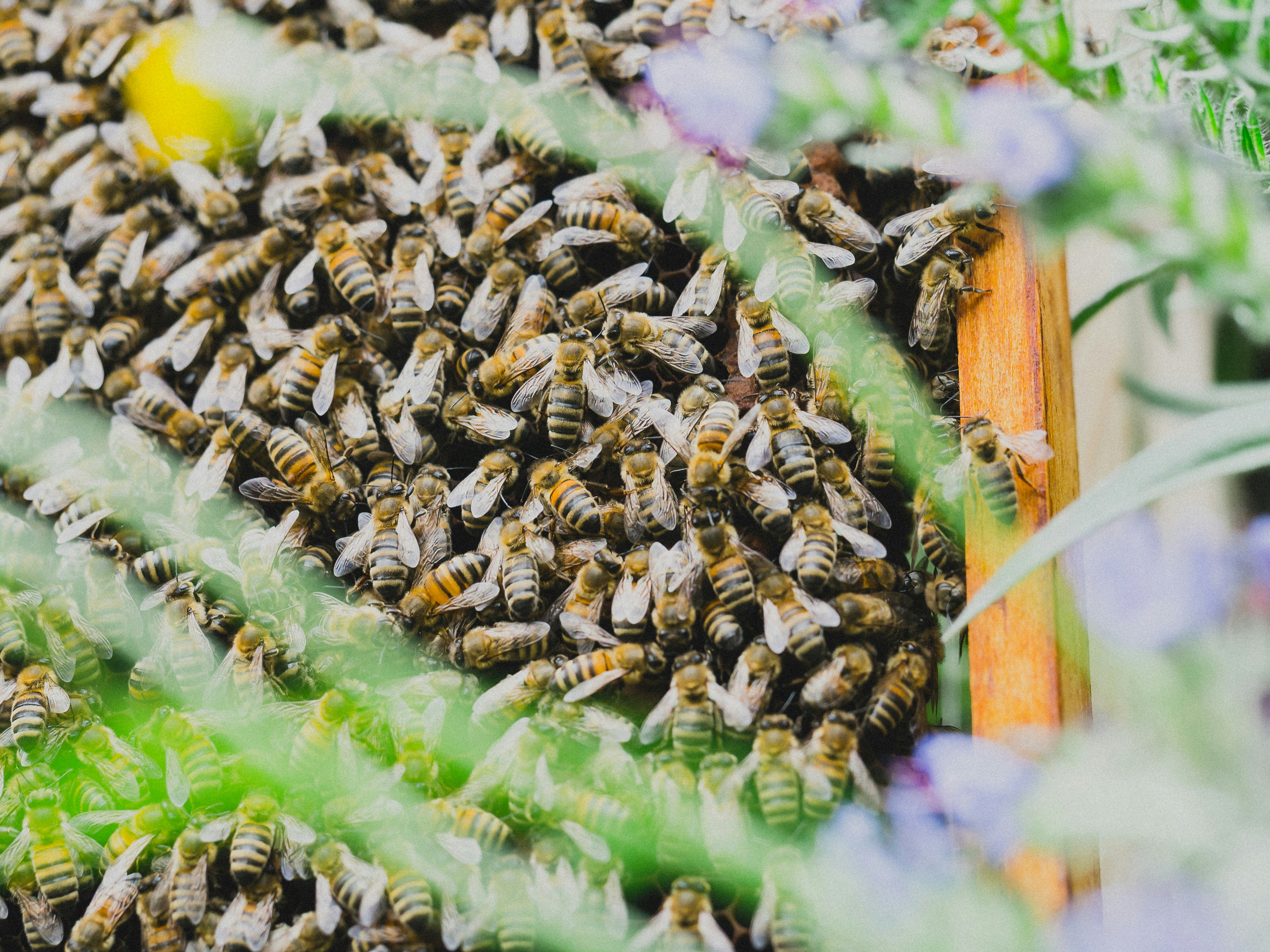
Eusocial hymenopteran that lives in colonies with complex organization and communication through dances.

Quick facts

  • Approximate size1–1.5 cm (workers)
  • Average weight0.1 g (workers)
  • Life expectancy4–6 weeks (workers in season); up to several years (queen)
  • ActivityDiurnal
Honey Bee
Honey Bee
Honey Bee

Basic information

  • 🏡Habitat: tree cavities, natural hives, and hives managed by beekeepers in varied landscapes.
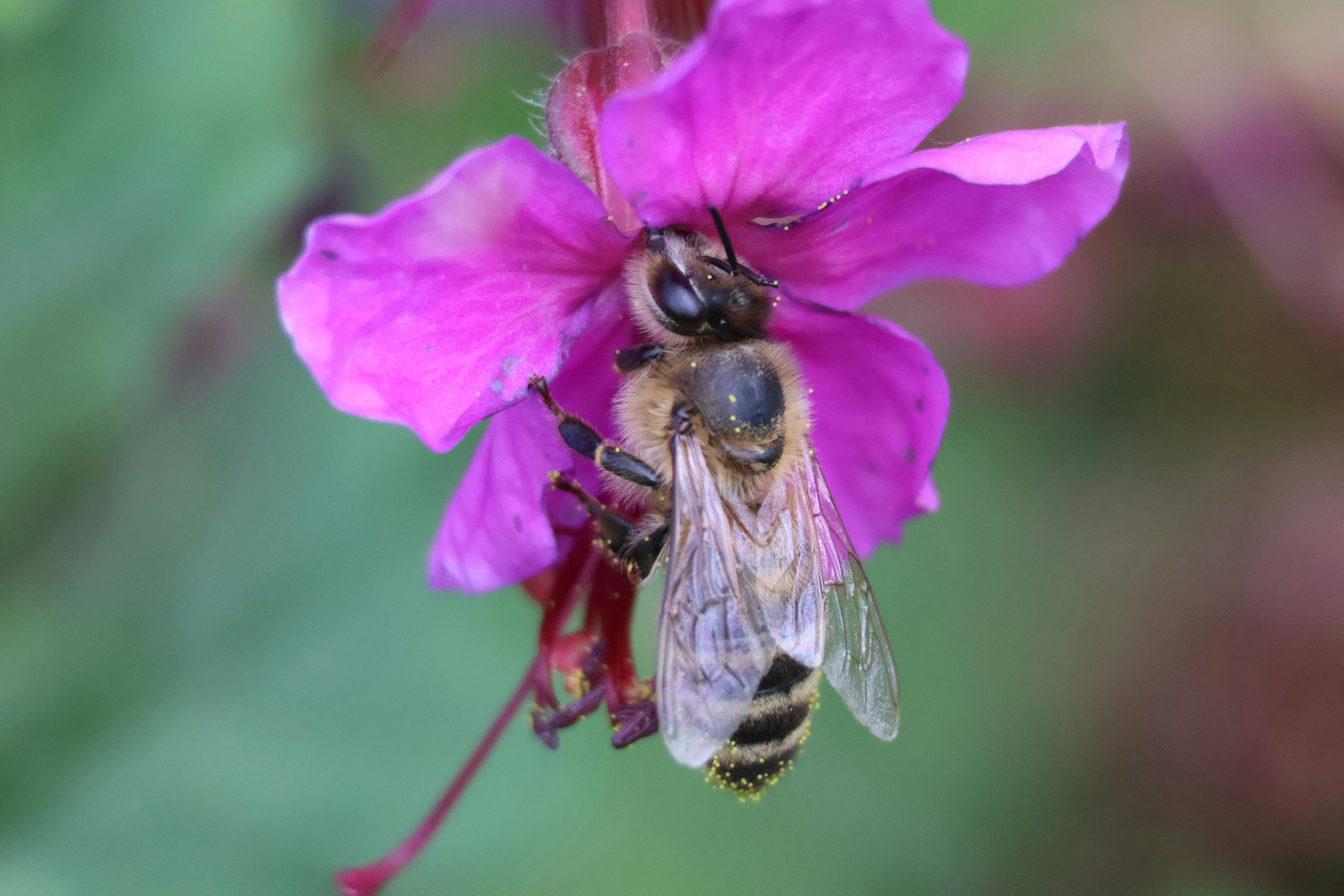
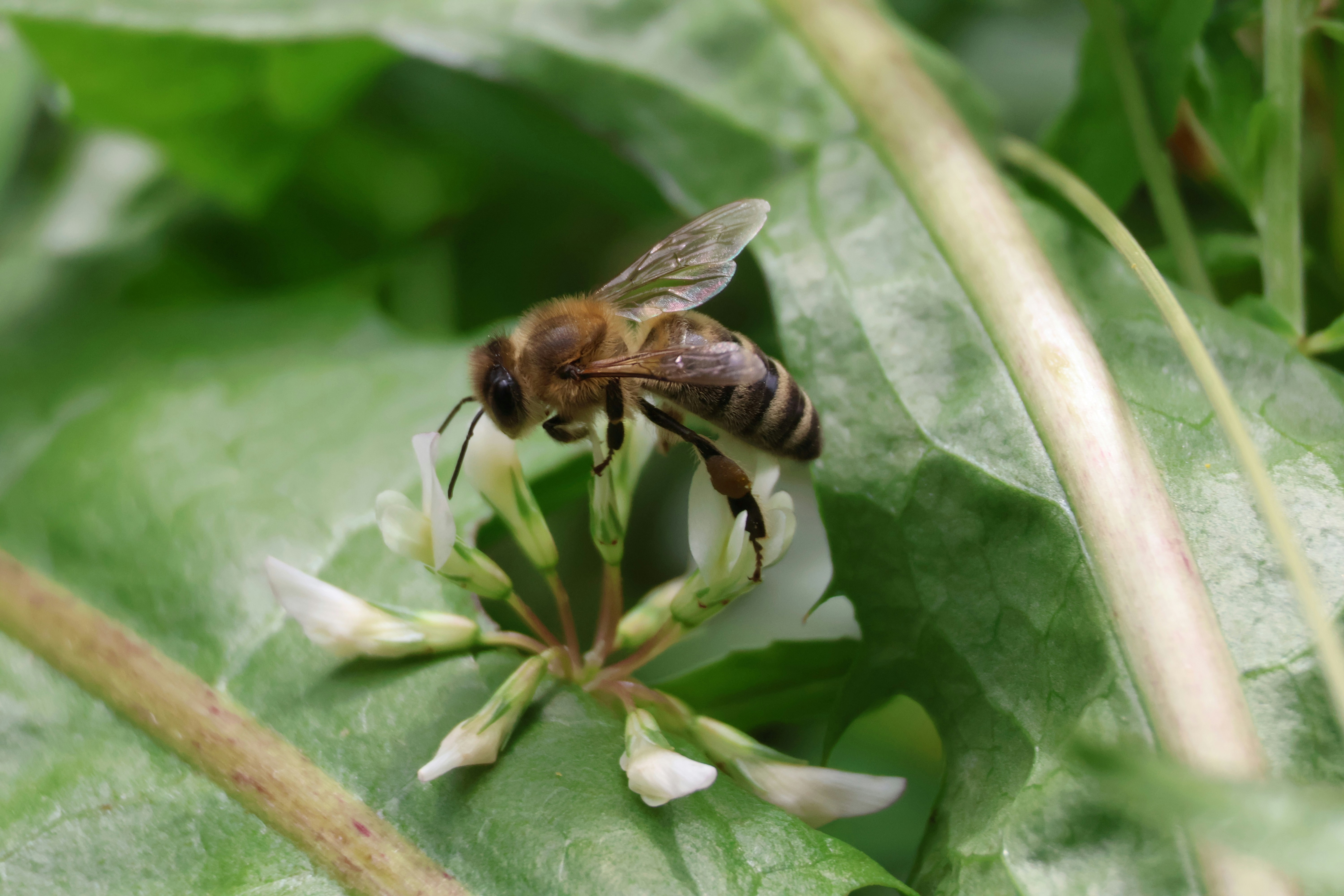
  • 🍏Diet: nectar, pollen, and honey reserves produced by the colony itself.
  • 👫Sexual dimorphism: queen larger and elongated; drones more robust and without functional stinger; workers smaller.
  • 🐾Predators: insectivorous birds, wasps, some mammals, and various parasites and pathogens such as Varroa.

Life in the wild

How this species lives in its natural environment, with the climate, shelters and resources it needs.

Species overview

The honey bee is perhaps the best-known insect for its direct relationship with human food.

Natural habitat

It uses tree hollows and human hives located in environments with abundant flowers for much of the year.

Behavior

Workers perform different tasks according to their age: cleaning, caring for larvae, defense, and food collection.

Special features

Its social organization and orientation ability have been the subject of numerous scientific studies.

Conservation and threats

It faces threats such as pesticides, loss of wildflowers, parasites, and diseases; responsible beekeeping is key.

Curiosities

Striking details about this species that show its biology and ecology in a different way.

  • 🌿They communicate through the famous "waggle dance" to indicate food sources.
  • They produce honey, wax, propolis, and royal jelly, products used by humans.
  • 🔎The colony acts almost like a "superorganism" with a very clear division of labor.
  • 🧬They are responsible for pollinating a significant portion of the crops we consume.

Welfare profile

Aspects to consider if this species is kept in captivity in specialized centers.

Space and facilitiesHigh

In managed hives, they need careful inspections, health control, and sufficient food, especially in winter.

Environmental conditionsHigh

Parasite treatments must be applied with knowledge to avoid harming the bees.

Handling and stressHigh

Handling of frames and the hive should minimize stress and avoid crushing.

Honey Bee in captivity

General information aimed at professional facilities and authorized centers.

⚠️ Before keeping insects like this species, it is important to consult local regulations and always consider whether it is really necessary to remove them from their natural environment.

Suitable facilities

Beekeeping requires specific training and ethical consideration for colony welfare.

Feeding in responsible centers

It is important not to over-exploit the honey produced, ensuring sufficient reserves for the bees.

Handling and welfare

Installation of hives in urban environments should be planned to reduce conflicts with neighbors.

Ethical message

Educational activities can focus on pollination, biodiversity, and responsible honey consumption.

Imagen ampliada