Macaw
Scientific name: Ara spp.
Large tropical parrot, famous for its intelligence and vibrant plumage.
Quick facts
- Approximate size 80–100 cm (head to tail)
- Average weight 900–1500 g
- Life expectancy 30–50 years (captivity)
- Activity Diurnal
Scientific name: Ara spp.
Large tropical parrot, famous for its intelligence and vibrant plumage.
What Macaw is like in its natural environment, with the climate, shelters and resources it needs.
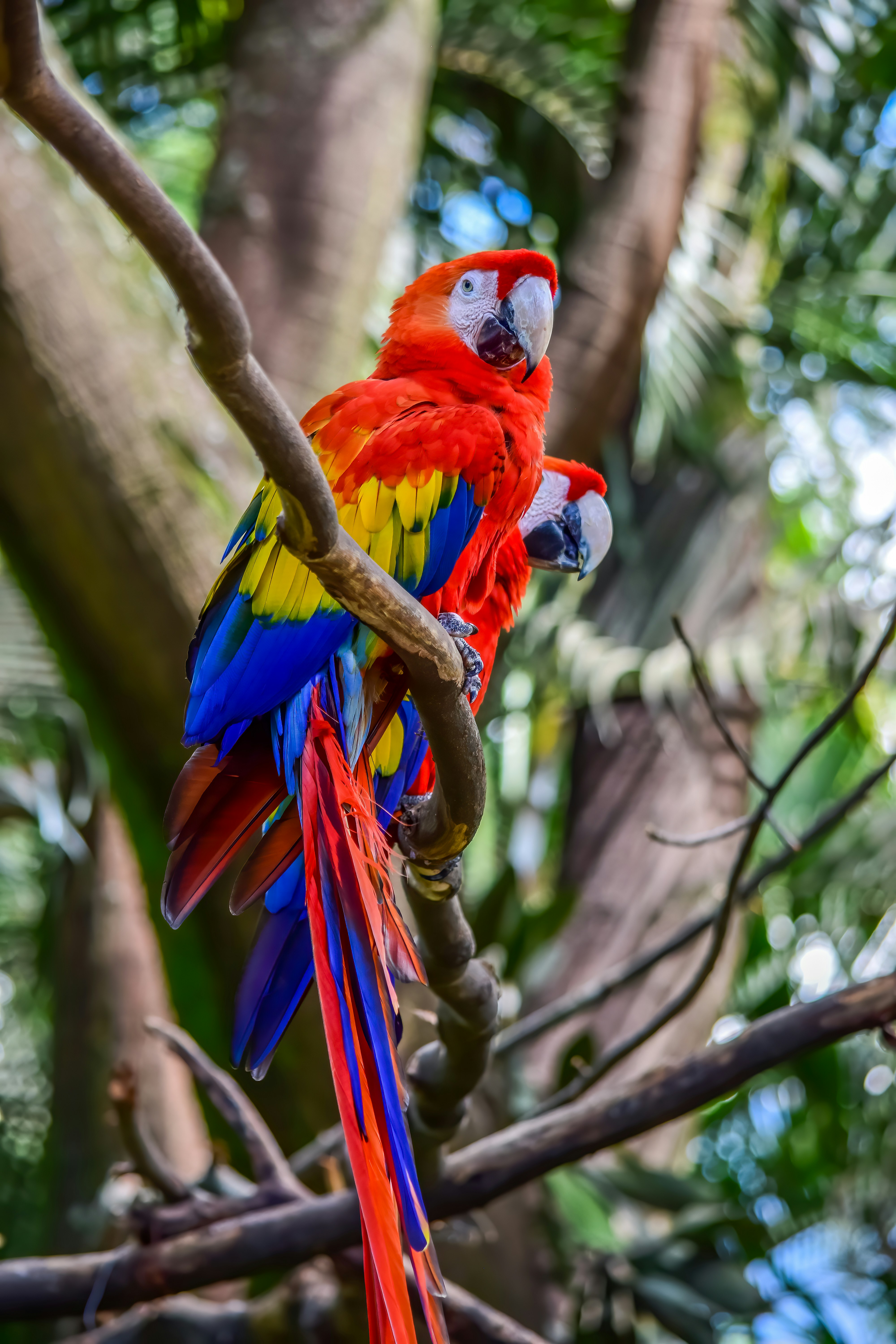
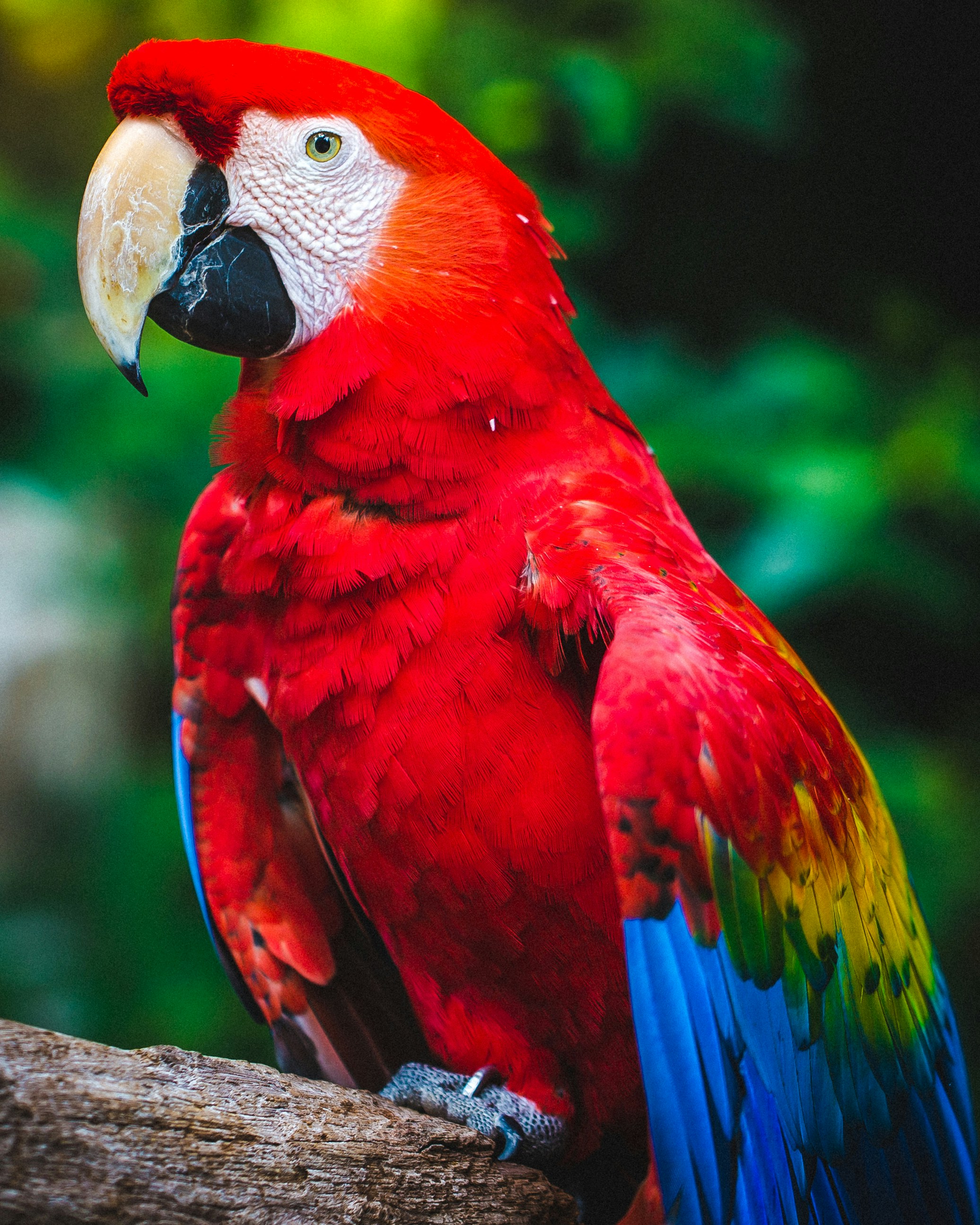
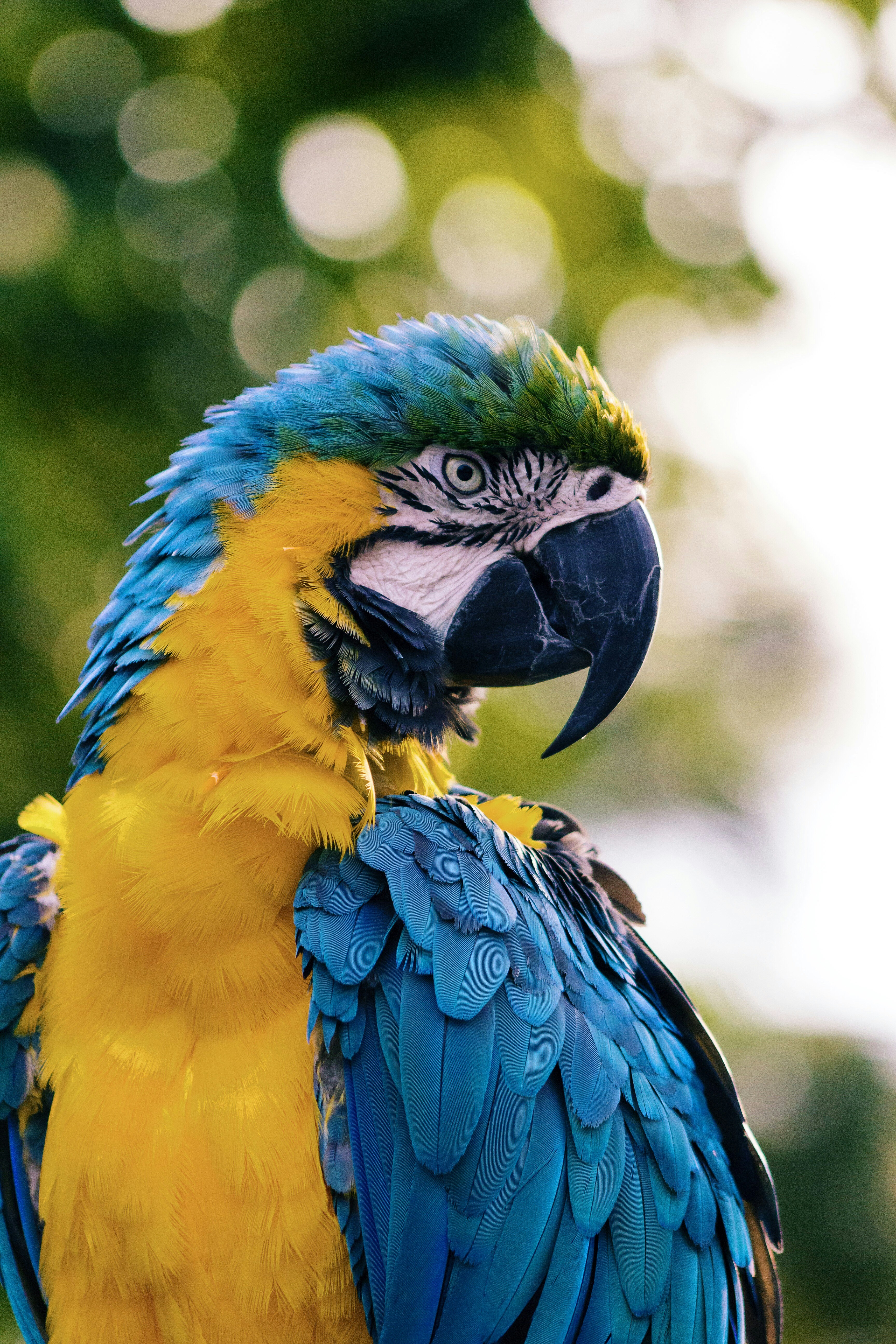
The term macaw encompasses several species of large parrots of the genus Ara and related groups. They are very long-lived birds, with colorful plumage and great intelligence.
They live in tropical rainforests, humid forests and, in some species, wooded savannas. They depend on large trees for nesting and feeding on fruits, seeds and nuts.
They form stable pairs and usually travel in noisy flocks. Vocal communication is fundamental and they can travel great distances daily in search of food.
They possess a very powerful beak capable of breaking hard seeds, and prehensile feet that allow them to manipulate objects. Their learning and memory capacity is extraordinary.
Many macaw species are threatened by rainforest destruction and illegal trade. Some, like the Spix's macaw, have disappeared from the wild.
Striking details about Macaw that show its biology and ecology in a different way.
Aspects to consider if Macaw is kept in captivity at specialized centers.
Conventional cages are clearly insufficient. They require large aviaries that allow them to fly and exercise their wings daily.
They are extremely intelligent. Lack of enrichment, interaction and cognitive challenges causes frustration, constant screaming and feather plucking.
They can live several decades. Any decision to keep a macaw must consider this lifelong commitment, including plans in case of caretaker death.
General information aimed at professional facilities and authorized centers. Not intended to promote private keeping of wildlife without proper training and permits.
Spacious aviaries, with perches of different thicknesses, sheltered areas and natural materials for chewing. Visual and auditory contact with other parrots improves welfare.
Mix of fruits, vegetables, nuts and formulated pellets for psittacines, avoiding diets based exclusively on fatty seeds like sunflower.
Rotating toys, foraging, cooperative training and activities that stimulate their minds are essential to prevent behavioral problems.
Before thinking about having a macaw, it is preferable to support conservation projects, rescue centers and educational programs that protect wild populations.
This information has an educational purpose and does not replace the advice of specialized professionals or consultation of current wildlife and animal welfare legislation.