Common Firefly

Scientific name: Lampyris noctiluca

Type: Insect Main biome: Temperate Forest Difficulty: Media

Nocturnal insect whose natural light fascinates generations and serves as an indicator of unpolluted landscapes.

Quick facts

  • Approximate size1–2 cm
  • Average weightLess than 0.5 g
  • Life expectancy1–2 years (larval phase)
  • ActivityNocturnal
Common Firefly
Common Firefly
Common Firefly

Basic information

  • 🏡Habitat: grasslands, forest edges, and gardens with vegetation and moist soils.
  • 🍏Diet: larvae feed on snails and slugs; adults usually eat little or nothing.
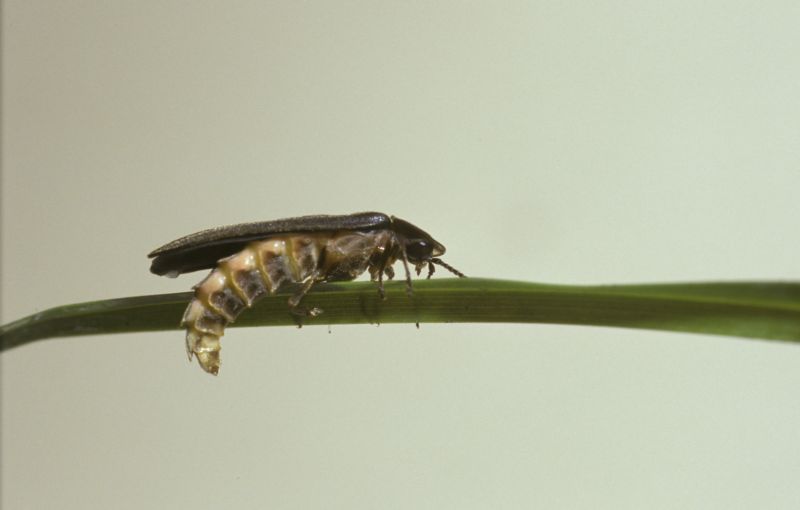
  • 👫Sexual dimorphism: females often apterous (wingless) and larger, winged males with more stylized body.
  • 🐾Predators: birds, bats, and other insects; light can attract and deter different predators.

Life in the wild

How this species lives in its natural environment, with the climate, shelters and resources it needs.

Species overview

The firefly is a symbol of healthy summer nights and the importance of reducing light pollution.

Natural habitat

It prefers areas with low vegetation, moist soils, and shelters among grasses, mosses, and leaves.

Behavior

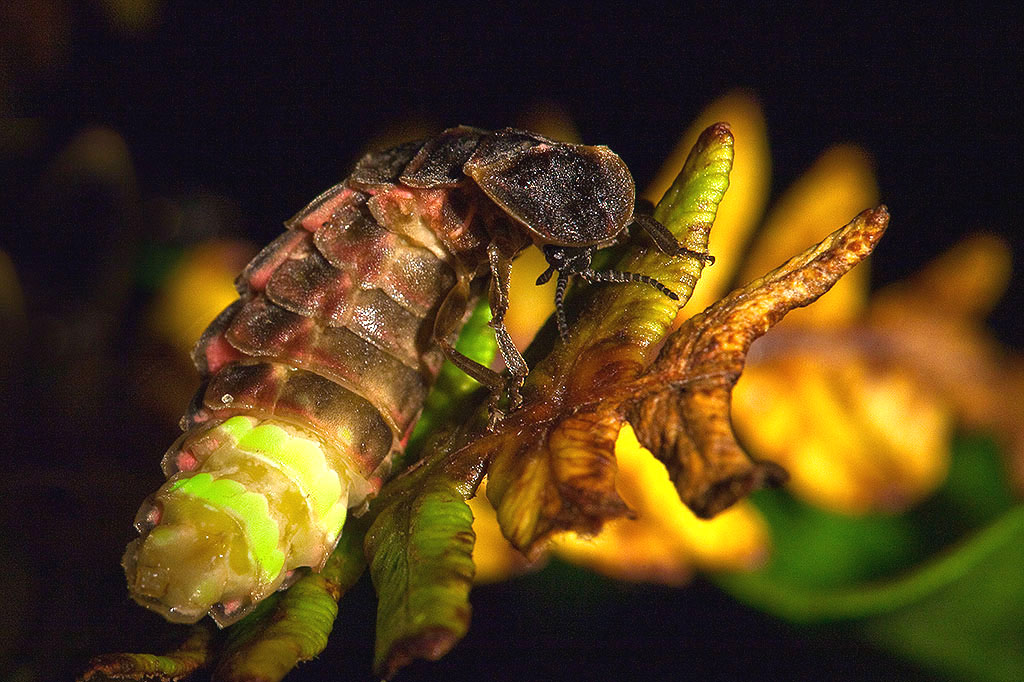
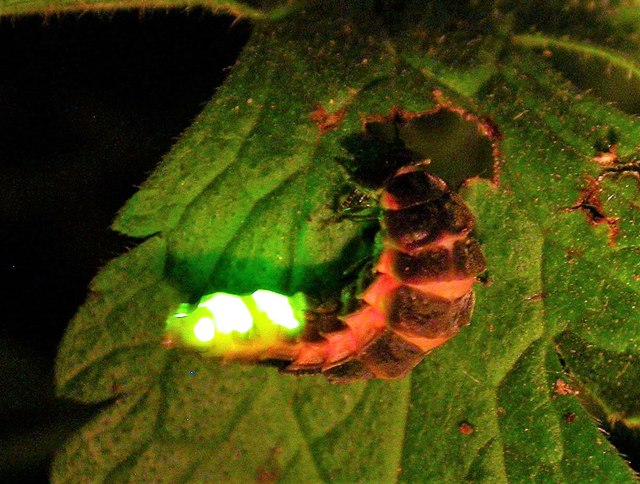
Females glow from the ground or low vegetation, while males fly searching for those flashes.

Special features

Its light is an example of a very visible and species-specific sexual signal.

Conservation and threats

Habitat loss, pesticides, and excessive nighttime lighting are related to the decline of fireflies in many regions.

Curiosities

Striking details about this species that show its biology and ecology in a different way.

  • 🌿Light is produced by a chemical reaction called bioluminescence, very energy efficient.
  • Light pollution affects their ability to find mates.
  • 🔎Larvae can also emit weak flashes.
  • 🧬Many people remember them as part of their childhood summer nights.

Welfare profile

Aspects to consider if this species is kept in captivity in specialized centers.

Space and facilitiesHigh

In captivity it is difficult to reproduce their natural light and dark conditions without altering their behavior.

Environmental conditionsMedium

Larvae need specific prey (small snails) and moist microhabitats.

Handling and stressHigh

Capture for prolonged display can negatively affect local populations.

Common Firefly in captivity

General information aimed at professional facilities and authorized centers.

⚠️ Before keeping insects like this species, it is important to consult local regulations and always consider whether it is really necessary to remove them from their natural environment.

Suitable facilities

The most ethical approach is usually to observe them in their natural environment, respecting breeding sites.

Feeding in responsible centers

Educational projects can focus on turning off lights and conserving habitats so they continue to appear.

Handling and welfare

If kept temporarily, it should be done in very small numbers and with the intention of releasing them afterward.

Ethical message

The firefly is an excellent icon for talking about light pollution and nocturnal biodiversity.

Imagen ampliada