Quokka
Scientific name: Setonix brachyurus
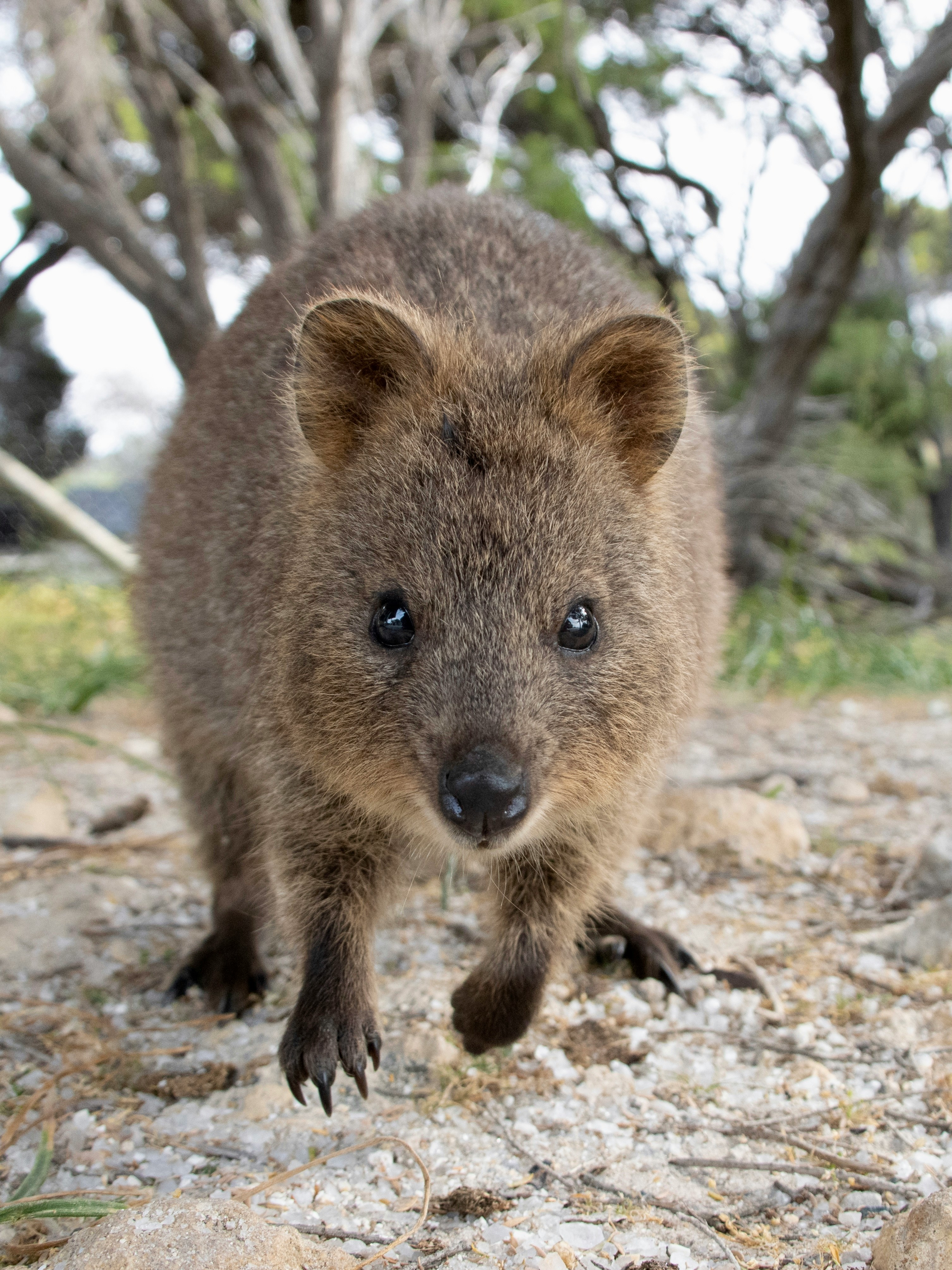
Small Australian marsupial famous for its seemingly smiling expression.
Quick facts
- Approximate size40–54 cm
- Average weight2.5–5 kg
- Life expectancy10 years
- ActivityNocturnal
Scientific name: Setonix brachyurus
Small Australian marsupial famous for its seemingly smiling expression.
What this species is like in its natural environment, with the climate, shelters and resources it needs.
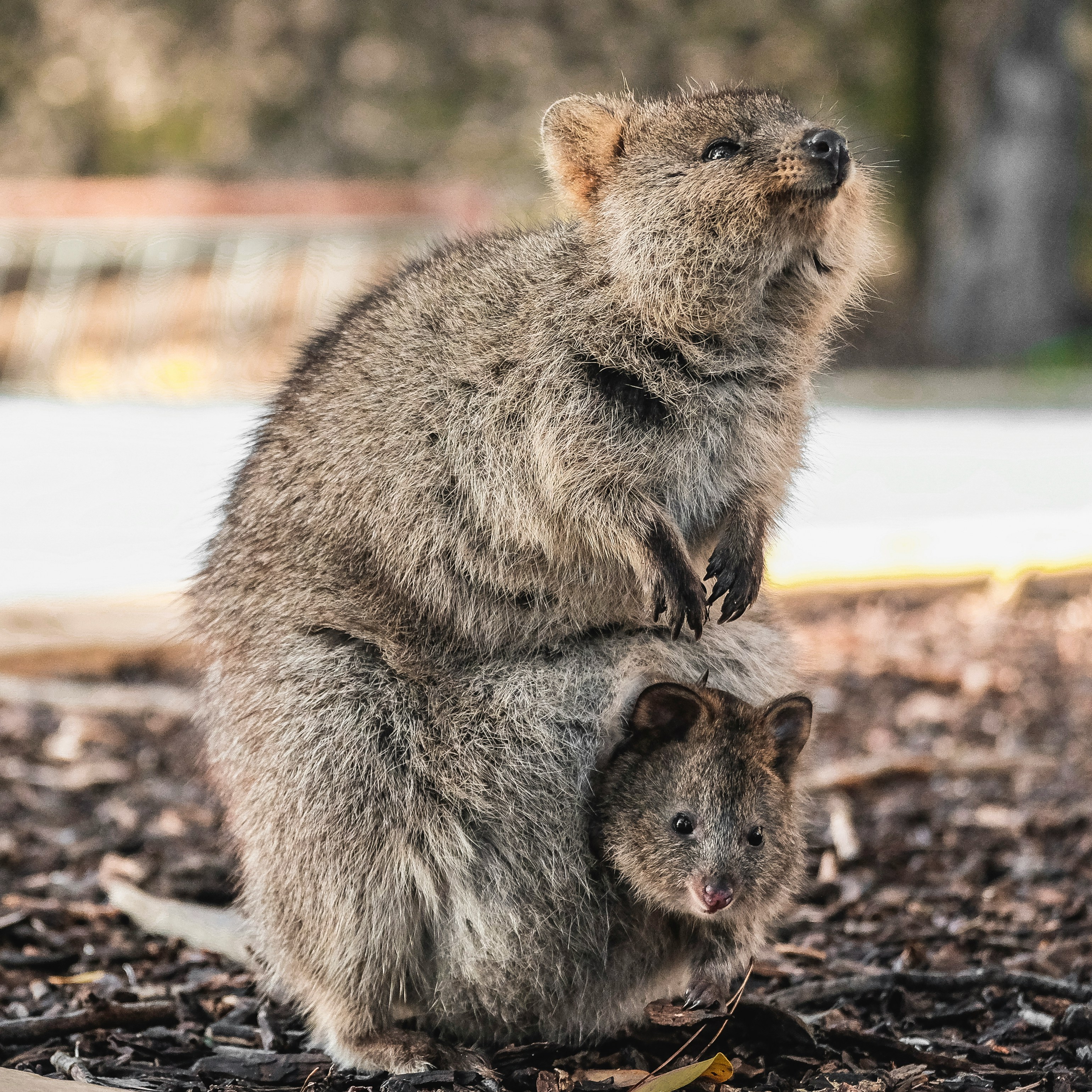
The quokka is a small marsupial occupying scrubland and low forests near the coast in a very limited region of Australia.
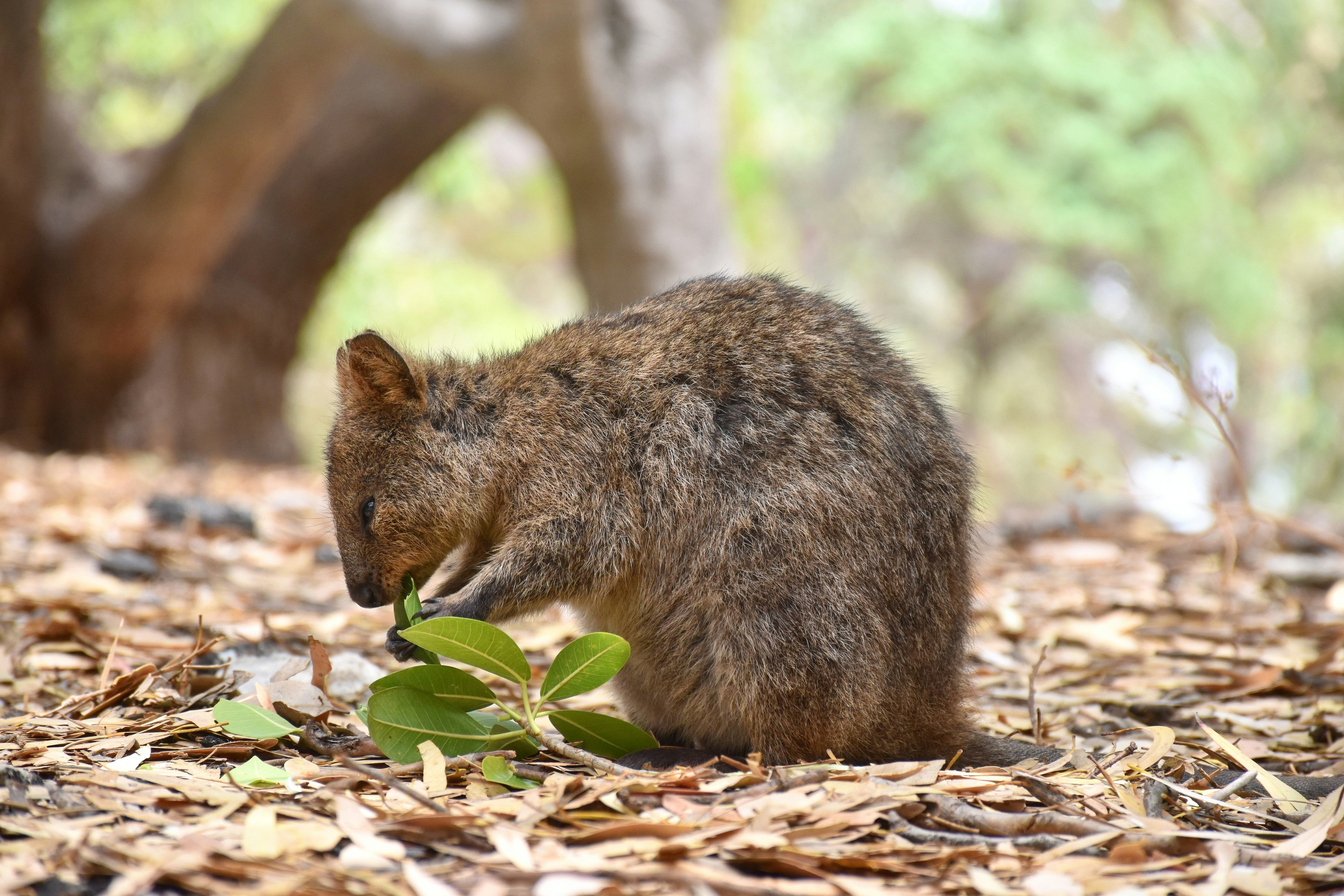
Needs areas with dense vegetation for daytime shelter and nearby open areas for nighttime feeding.
Mainly nocturnal, emerging to feed when temperatures are cooler. Can live in loose groups with overlapping territories.
Its facial expression and trusting habits have made it a tourist icon, though this does not reflect its true wild nature.
Habitat loss, fires and introduced predators have reduced populations. Uncontrolled tourism also poses a risk.
Striking details about this species that show its biology and ecology in a different way.
Aspects to consider if this species is kept in captivity at specialized centers.
In captivity requires spacious outdoor enclosures with shelters and shade areas to avoid heat stress.
Needs balanced herbivore diet, avoiding processed foods improperly offered to them.
Direct contact with the public should be limited or avoided to prevent stress and health issues.
General information aimed at professional facilities and authorized centers. Not intended to promote private keeping of wildlife without proper training and permits.
Centers keeping quokkas should focus on education and conservation, not photo sessions.
Facilities should offer quiet areas out of public view for the animal to rest.
The priority for the species is habitat management, fire control and predator management in its natural area.
This information is for educational purposes and does not replace advice from specialized professionals or consultation of current wildlife and animal welfare legislation.