Axolotl

Scientific name: Ambystoma mexicanum

Type: Amphibian Main biome: Rivers and Wetlands Difficulty: Media

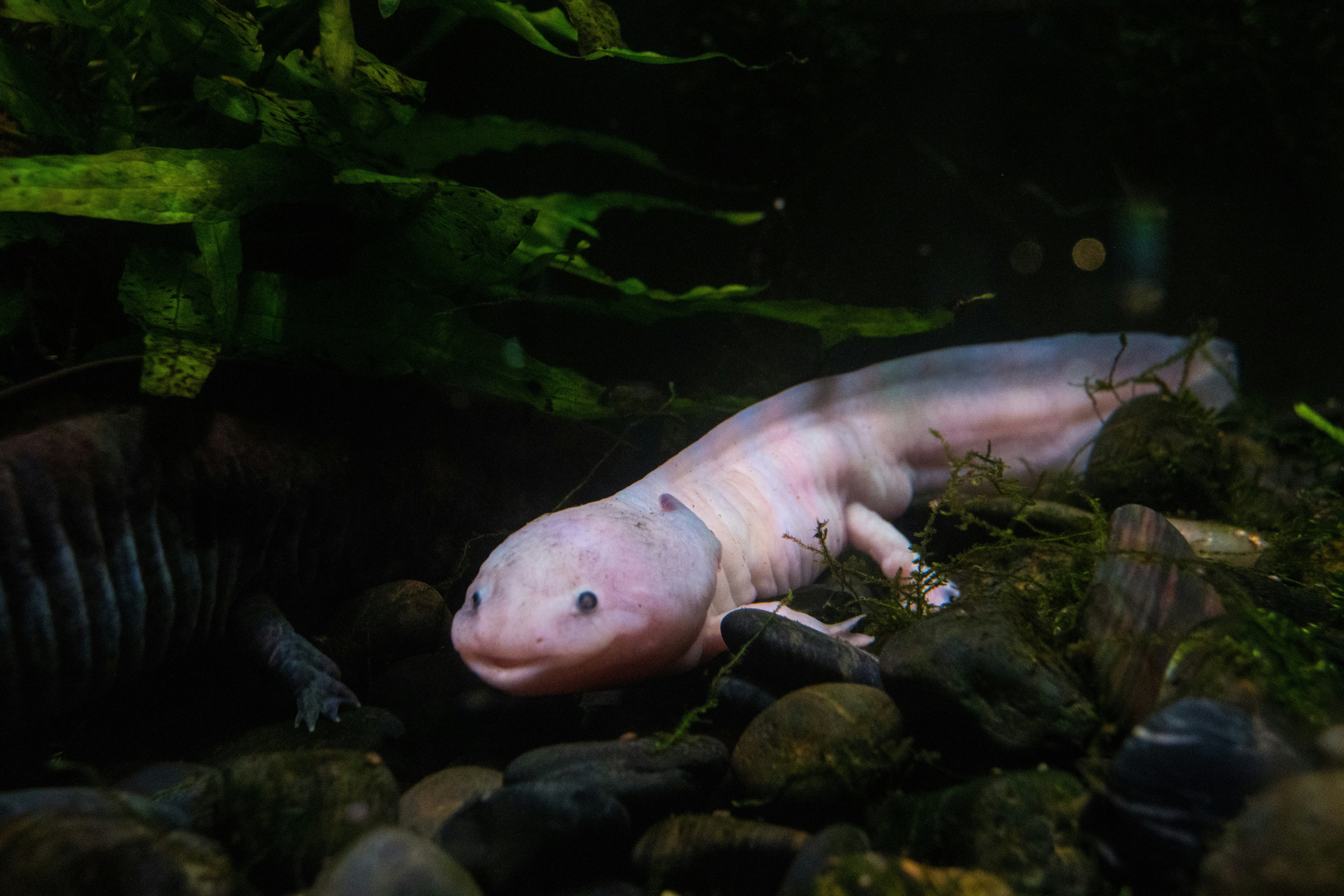
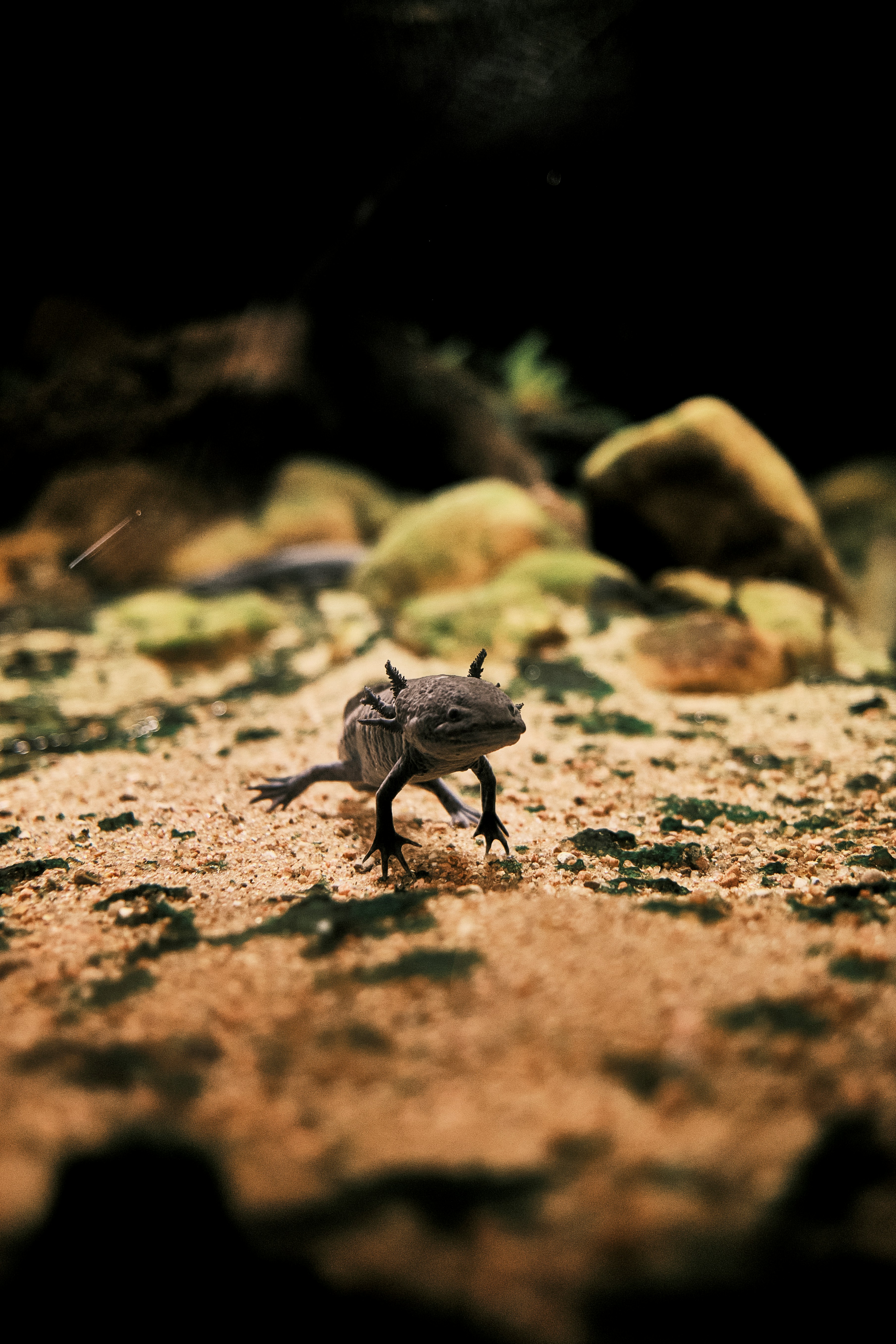
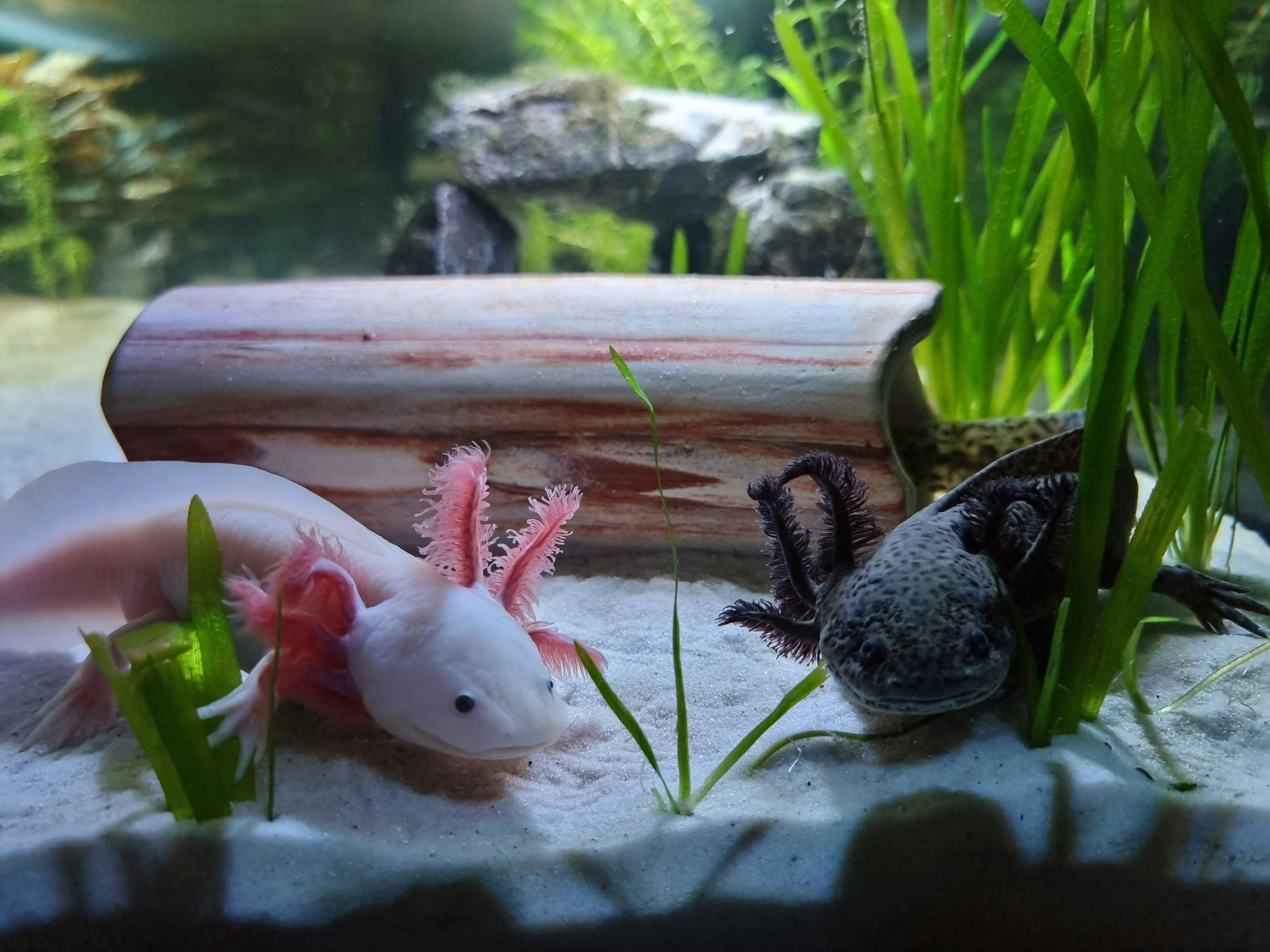
Neotenic aquatic amphibian that retains its external gills throughout its life.

Quick facts

  • Approximate size 23–28 cm
  • Average weight 60–120 g
  • Life expectancy 10–15 years (in captivity)
  • Activity Crepuscular / nocturnal
Axolotl
Axolotl
Axolotl

Basic information

  • 🏡 Home: lives in freshwater lakes and channels with slow currents and abundant aquatic vegetation.
  • 🍏 Food: feeds on small invertebrates, larvae, worms and small fish.
  • 👫 Sexual dimorphism: males usually have a more prominent cloaca and slightly more developed caudal fins.
  • 🐾 Predators: large fish, water birds, and especially pollution and invasive species introduced by humans.

Life in the wild

Information about the axolotl in its natural environment, without human intervention.

Species overview

The axolotl is an amphibian endemic to the Xochimilco area (Mexico). It inhabits channels and cold water bodies, with abundant vegetation where it can take refuge.

Natural habitat

It prefers calm, well-oxygenated water at low temperatures (between 14 and 20 °C). The bottom is usually soft, with aquatic plants and hiding spots formed by roots and rocks.

Behavior

It is a primarily crepuscular and nocturnal species. It spends most of its time at the bottom, waiting for prey that passes by. It has a calm and non-aggressive character.

Special traits

It stands out for its extraordinary ability to regenerate limbs, part of the heart and even sections of the spine. It maintains larval characteristics (external gills) throughout its life, a phenomenon known as neoteny.

Conservation and threats

In the wild, it is considered critically endangered due to habitat destruction, water pollution and the introduction of invasive species. Conservation of the Xochimilco ecosystem is key to its survival.

Curiosities

Interesting facts about this species that help better understand its biology and relationship with the environment.

  • 🌊 It can regenerate not only limbs, but also part of the heart and brain.
  • 🧬 Its "smiling" appearance is due to the shape of its mouth, not an actual expression.
  • 🐟 In the wild, its diet is based on small fish, invertebrates and larvae.
  • 🇲🇽 It is an important cultural symbol in Mexico and appears in myths and legends.

Welfare profile

Visual summary of the most critical aspects for the welfare of this species in captivity.

Space requirements Medium

Requires spacious aquariums, especially if more than one specimen lives together. The larger the water volume, the easier it is to maintain stable parameters.

Water quality Critical

It is extremely sensitive to temperature and pollution. A filtration failure or water changes can affect its health very quickly.

Handling tolerance Low

It is not an animal to handle or "play" with. The ideal is to enjoy watching it in its aquarium and limit handling to strictly necessary situations.

Axolotl in captivity

Guidance information about its maintenance only in responsible facilities. Does not promote trade or illegal capture.

⚠️ Before keeping an axolotl in captivity, it is essential to check the regulations in your country or region, and always prioritize individuals from responsible breeders or authorized centers. Animals captured in the wild should never be acquired.

Is it suitable as a pet?

Although there are axolotls bred in captivity, they are not "toy" animals. They require a specific aquarium, cold water and constant maintenance. It is not a recommended species for impulsive beginners.

Basic requirements in authorized facilities

  • Large aquarium (minimum 60 liters per specimen).
  • Fresh, well-filtered water without strong currents.
  • Very fine substrate or bare bottom to avoid gravel ingestion.
  • Controlled temperature, always avoiding excessive heat.

Welfare and behavior in captivity

A well-maintained axolotl shows regular appetite, moderate curiosity and rests in various areas of the aquarium. Lack of shelters, handling stress and inadequate water directly affect its health.

Common risks

High temperatures, poor water quality, cohabitation with fish that damage its gills or compete for food, and rough handling. If any symptoms of illness appear, it is appropriate to see a veterinarian specialized in exotics.

Imagen ampliada