Fennec Fox
Scientific name: Vulpes zerda
Small Saharan fox with huge ears adapted to extreme heat.
Quick facts
- Approximate size30–40 cm
- Average weight0.8–1.5 kg
- Life expectancy10–14 years
- ActivityNocturnal
Scientific name: Vulpes zerda
Small Saharan fox with huge ears adapted to extreme heat.
How the fennec fox survives in some of the harshest deserts on the planet.
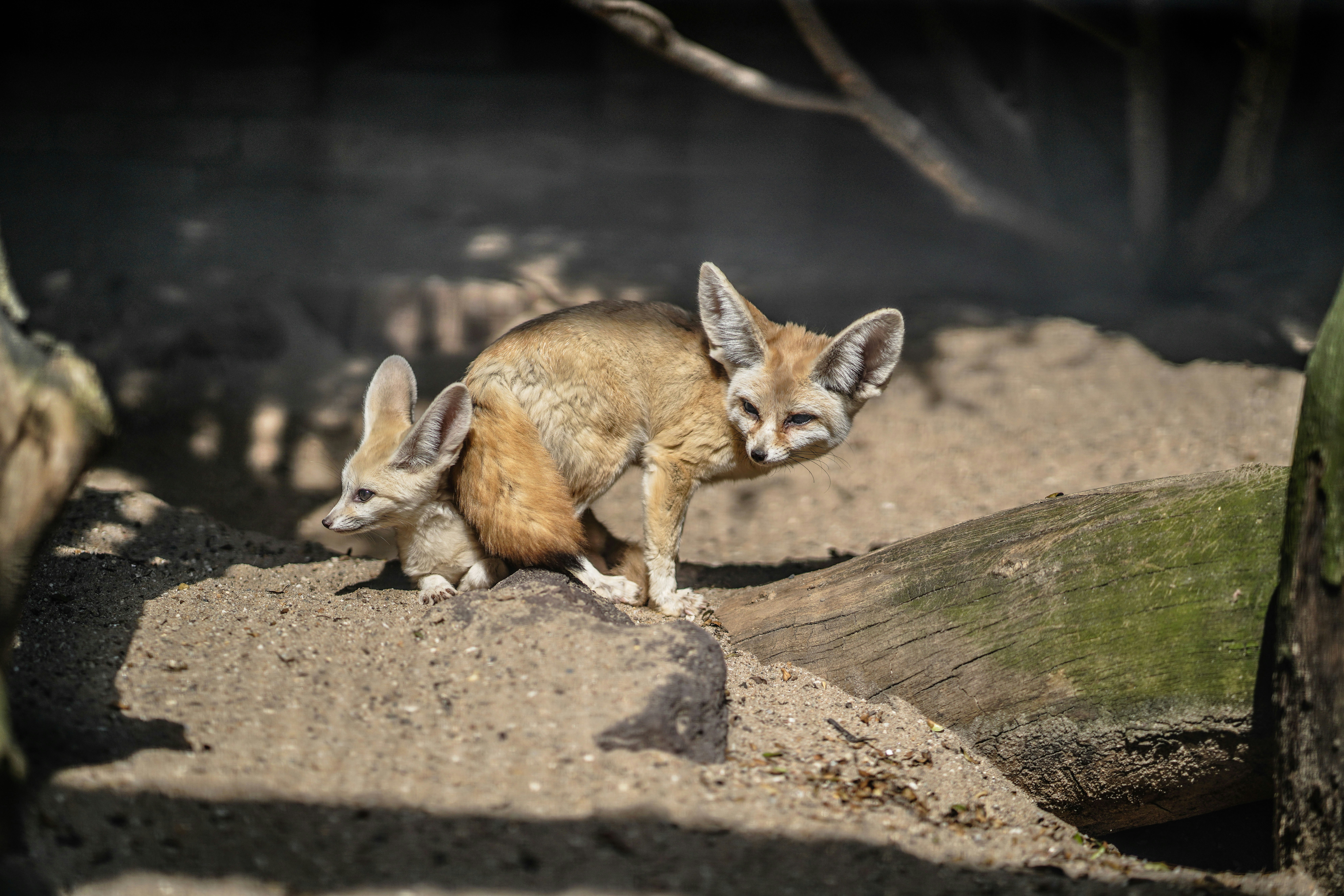
The fennec is the smallest fox in the world. It inhabits dunes and sandy areas of the Sahara and Sinai Peninsula, where it digs deep burrows for shelter.
Lives in hot deserts with sparse vegetation. Its burrows, several meters deep, offer cooler temperatures and protection from predators.
Mainly nocturnal. Hunts insects, small vertebrates and also consumes fruits or roots. Can live in pairs or small family groups.

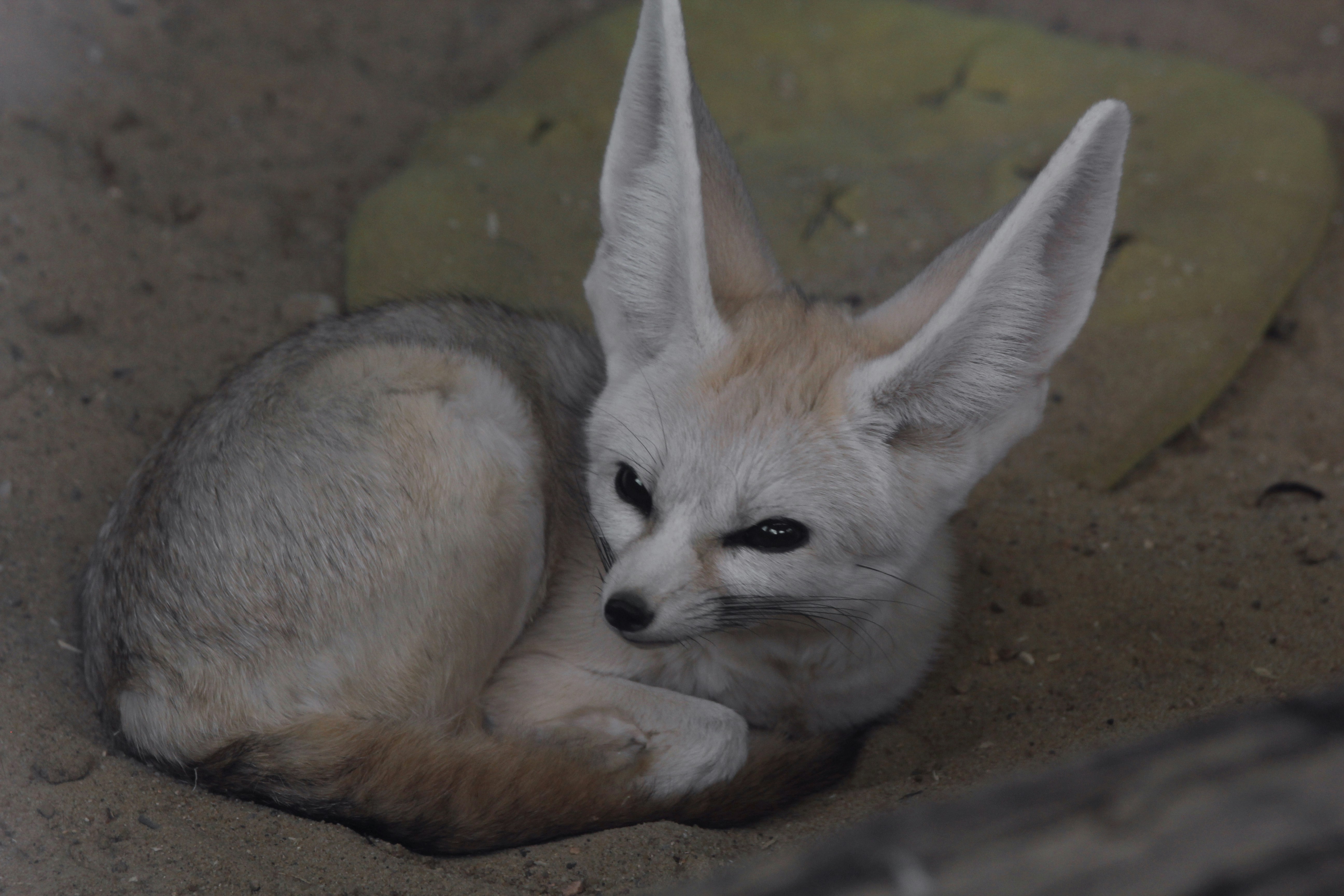
Its giant ears act as natural radiators to dissipate heat and improve hearing. The foot pads are covered with fur to protect against hot sand.
Although the species is not currently considered seriously endangered, illegal capture for the pet trade and habitat degradation can affect certain local populations.
Some curious details about how the fennec fox has adapted to desert life.
Key points showing why the fennec requires highly specialized facilities.
A very active animal that covers great distances. Enclosures must allow running, digging and exploring, difficult to achieve in private homes.
Its temperature, enrichment, mental stimulation and socialization needs make handling complex even for experienced keepers.
Its character, activity level and environmental needs do not fit life in a standard flat or house. Should be considered wildlife, not a companion animal.
Information aimed at authorized centers and conservation programs.
Requires spacious enclosures with deep sand areas for digging, shelters, elevated platforms and shade areas. Climate must be adapted to its needs without extremes.
Essential to offer objects to investigate, food hiding spots and opportunities to exercise its exploratory instinct. Boredom generates behavioral problems.
Although its appearance is very striking, it is not a domestic animal. Conservation of desert ecosystems and respect for wild populations should be the priority.
This guide is for informational purposes. Always check current legislation and support conservation and education projects rather than private keeping of wildlife.