Ring-Tailed Lemur

Scientific name: Lemur catta

Type: Mammal Main biome: Temperate Forest Difficulty: Alta

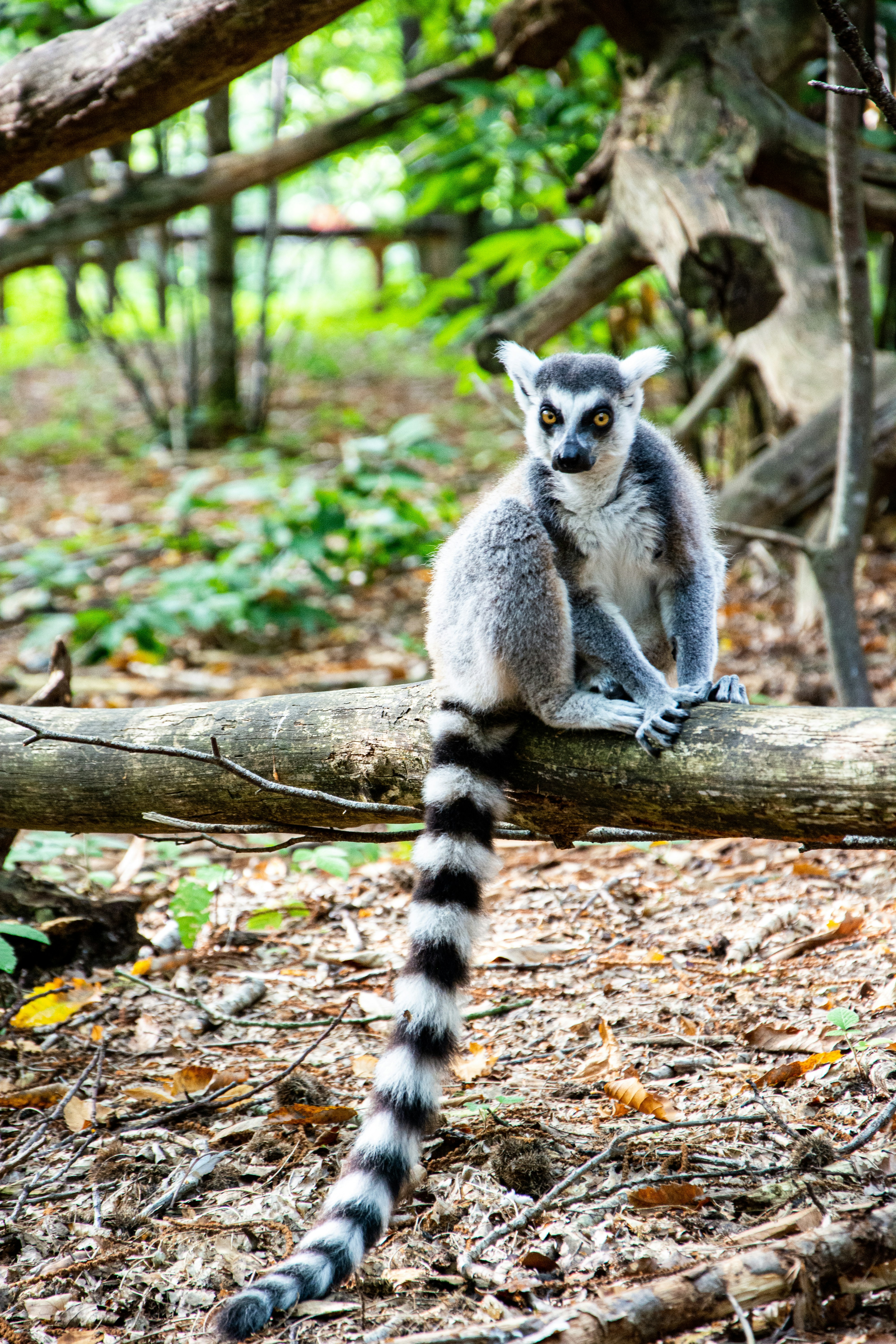
Social primate from Madagascar with long black and white ringed tail and terrestrial and arboreal habits.

Quick facts

  • Approximate size39–46 cm (body)
  • Average weight2.2–3.5 kg
  • Life expectancy16–19 years
  • ActivityDiurnal
Ring-Tailed Lemur
Ring-Tailed Lemur
Ring-Tailed Lemur

Basic information

  • 🏡Home: dry forests, thorny scrubland and gallery forests of Madagascar.
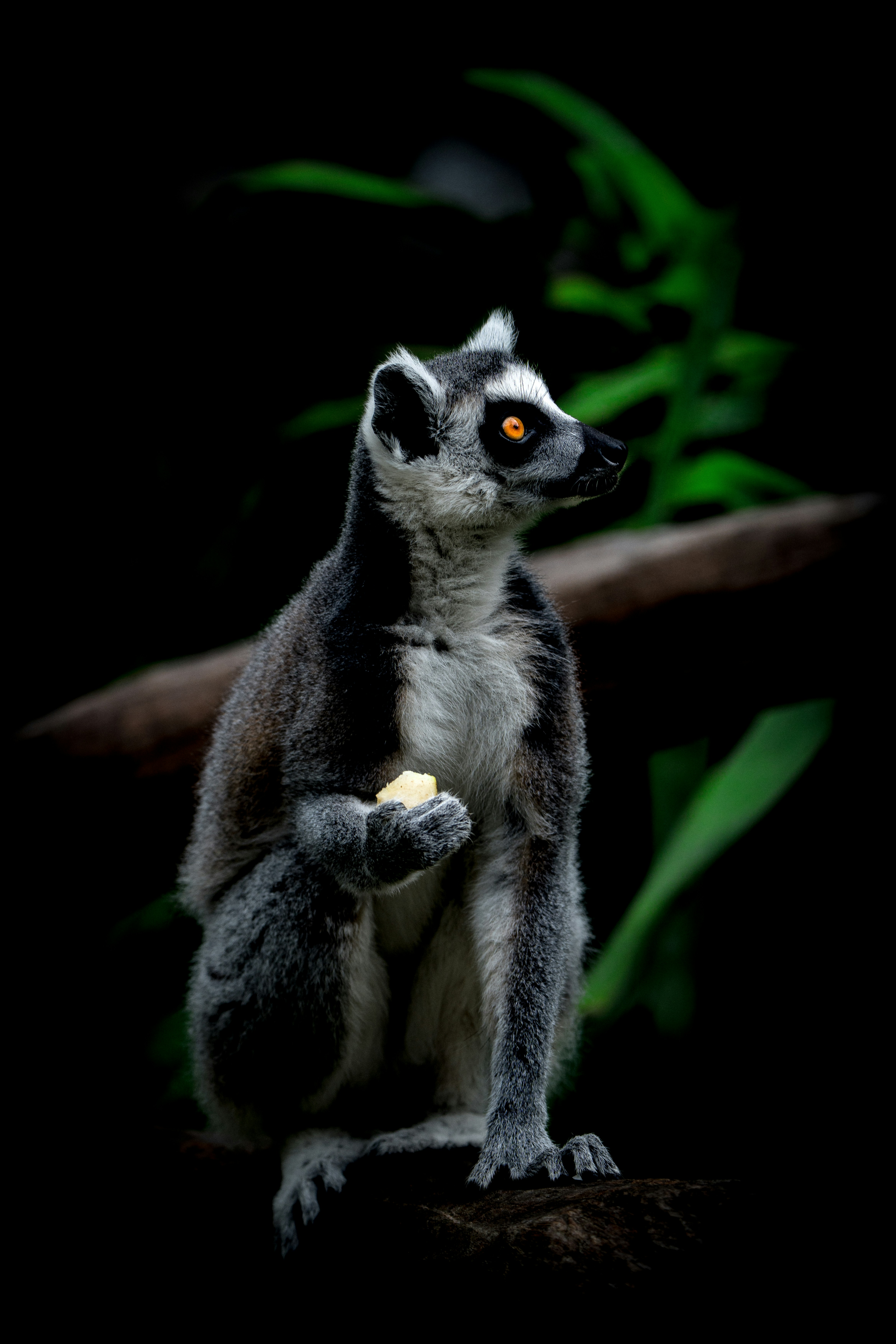
  • 🍏Food: fruits, leaves, flowers and, to a lesser extent, invertebrates.
  • 👫Sexual dimorphism: not very marked; females usually socially dominate males.
  • 🐾Predators: raptors, introduced carnivores and habitat loss from human activities.

Life in the wild

What this species is like in its natural environment, with the climate, shelters and resources it needs.

Species overview

The ring-tailed lemur is one of the best-known primates from Madagascar, associated with dry and rocky landscapes.

Natural habitat

Moves among rocks, trees and shrubs in dry forests and thorny scrubland, using natural shelters to sleep.

Behavior

Diurnal and very social, with stable groups that move in search of food and resting places.

Special traits

Its ringed tail and varied vocalizations facilitate group coordination in open environments.

Conservation and threats

Habitat loss, hunting and capture for wildlife trade threaten populations in various regions.

Curiosities

Striking details about this species that show its biology and ecology in a different way.

  • 🌍They use their ringed tail to communicate visually within the group.
  • They take "sun baths" sitting with their belly exposed to light.
  • 🔎They live in complex social groups with marked hierarchies.
  • 🧠Very charismatic and common in zoos, but still wildlife.

Welfare profile

Aspects to consider if this species is kept in captivity at specialized centers.

Facilities and spaceHigh

In captivity requires spacious enclosures with climbing structures, open areas and many exploration possibilities.

Light, temperature and environmentMedium

Needs varied diet with vegetables, controlled fruits and access to food enrichment.

Handling and stressMedium

Welfare depends on compatible social groups; isolation or poorly structured groups generate stress.

Ring-Tailed Lemur in captivity

General information aimed at professional facilities and authorized centers.

⚠️ Capture and trade of mammals like this species are regulated in many countries. Essential to verify legal origin of animals and prioritize responsible breeding programs and habitat conservation.

Suitable facilities

Zoos should maintain stable groups and offer three-dimensional space for climbing and moving.

Feeding in responsible centers

  • Diet is formulated with fruits, vegetables, leaves and specific feeds for primates.
  • Avoid excess sugar.
  • Varied food enrichment.

Handling and welfare

Handling relies on cooperative training and positive reinforcement for veterinary checks.

Ethical message

Public education should emphasize that, although "cute", they are still wild animals with complex needs.

Imagen ampliada