Yacare Caiman

Scientific name: Caiman yacare

Type: Reptile Main biome: Rivers and Wetlands Difficulty: Alta

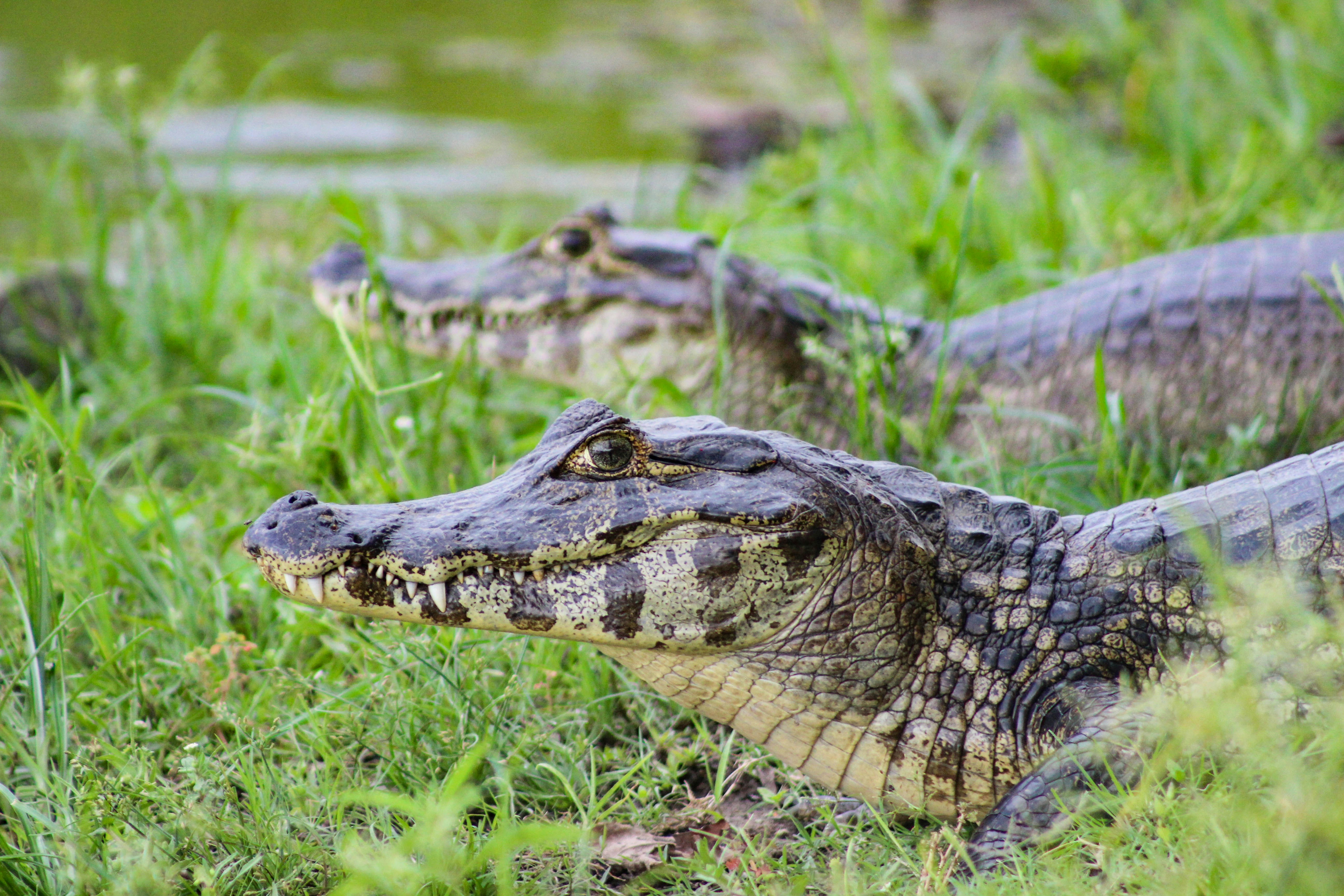
Semi-aquatic reptile that is part of the large predators of South American wetlands.

Quick facts

  • Approximate size2–2.5 m (large males)
  • Average weight40–60 kg
  • Life expectancy30–50 years (estimated)
  • ActivityMainly nocturnal, with daytime basking
Yacare Caiman
Yacare Caiman

Basic information

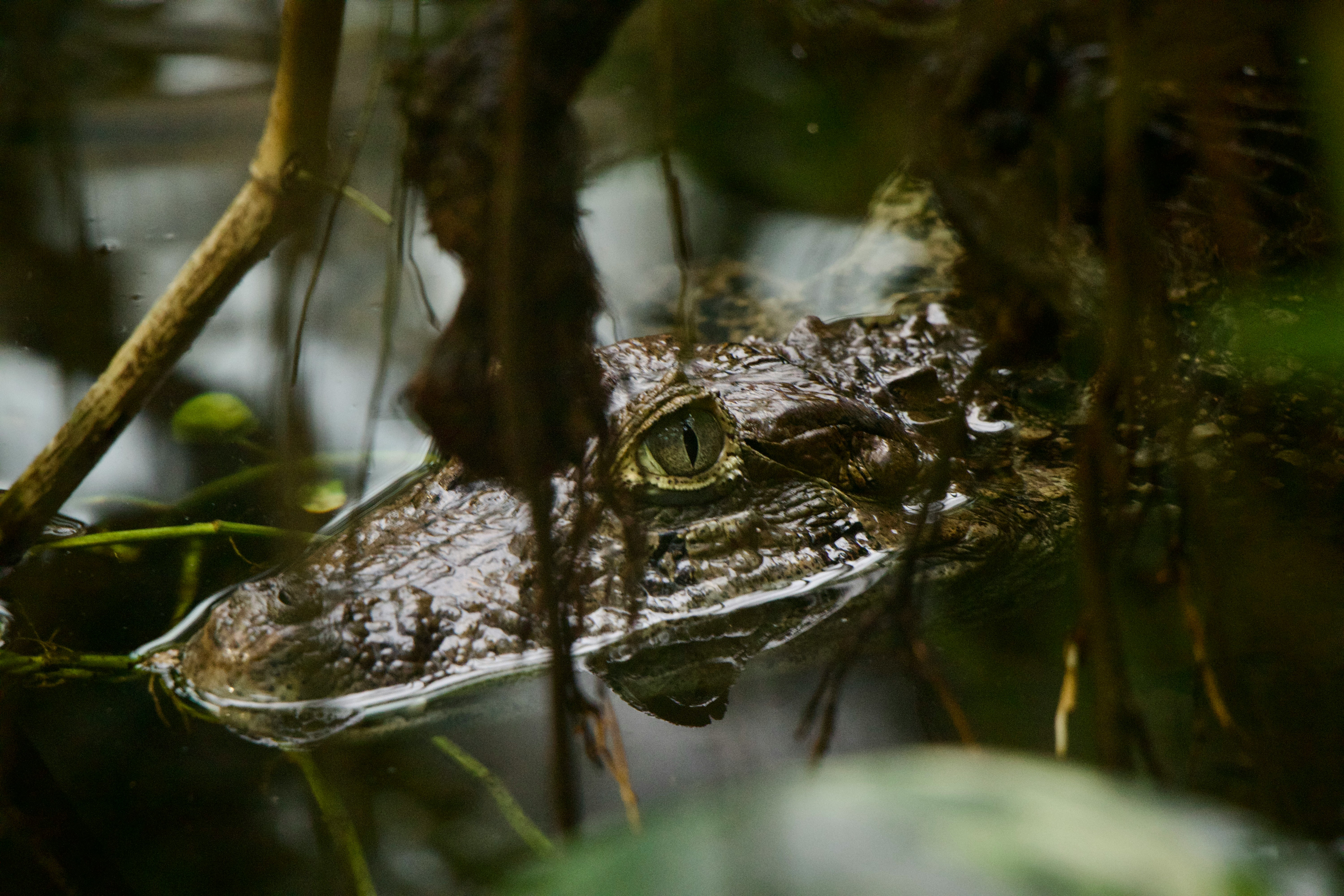
  • 🏡Habitat: inhabits slow rivers, marshes, and large wetlands like the Pantanal, where it uses muddy banks and sandbars.
  • 🍏Diet: generalist predator that consumes fish, amphibians, waterfowl, and mammals that approach the water.
  • 👫Sexual dimorphism: males reach larger body size and show more robust heads than females.
  • 🐾Predators: juveniles are prey to birds, large fish, and other caimans; in adults, the main pressure comes from human hunting and habitat modification.

Life in the wild

How this species lives in its natural environment, with the climate, shelters and resources it needs.

Species overview

The yacare caiman is one of the large predators of South American wetlands, especially in the Pantanal region.

Natural habitat

It lives in rivers, lagoons, marshes, and floodable areas, using muddy banks and sandbars for basking and nesting.

Behavior

It is mainly nocturnal in its movements and hunting, although it spends many hours motionless sunbathing during the day.

Special features

Its robust dentition and powerful jaw muscles allow it to capture slippery prey and resist great forces.

Conservation and threats

Hunting for its skin and wetland transformation have been significant threats. In some areas, management and protection programs have been implemented.

Curiosities

Striking details about this species that show its biology and ecology in a different way.

  • 🌍In some areas, it forms large concentrations during the dry season around permanent water bodies.
  • It has teeth adapted to hold slippery prey and break invertebrate shells.
  • 🔎Captive management requires very large enclosures with extensive aquatic and terrestrial areas.
  • 🧠Its conservation is linked to wetland protection and hunting regulation.

Welfare profile

Aspects to consider if this species is kept in captivity in specialized centers.

Enclosures and spaceHigh

In captivity, it needs large semi-aquatic enclosures with enough depth and space to swim and turn without difficulty.

Light, temperature, and environmentHigh

Water quality and the presence of dry resting areas are essential for its health and thermoregulation.

Handling and stressHigh

Direct handling is dangerous and stressful; it should only be done with protocols and specialized equipment.

Yacare Caiman in captivity

General information aimed at professional facilities and authorized centers.

⚠️ The capture and trade of reptiles like this species are regulated in many countries. It is essential to verify the legal origin of animals and prioritize responsible breeding programs and habitat conservation.

Suitable enclosures

Enclosures for yacare caimans must have large pools, soft banks, and extensive land areas for basking and resting.

Feeding in responsible centers

The diet in responsible centers includes fish, birds, and other animal-origin foods, adjusted in quantity according to age and body condition.

Handling and welfare

Planning veterinary handling is critical, given the animal's strength and potential to cause injuries.

Ethical message

Its maintenance is mainly justified in conservation, education, or rescue contexts; it is not a suitable animal for small or private collections.

Imagen ampliada