Bearded Dragon

Scientific name: Pogona vitticeps

Type: Reptile Main biome: Desert Difficulty: Media

Curious diurnal reptile from semi-arid zones, very popular in responsible terrarium keeping.

Quick facts

  • Approximate size 40–60 cm (including tail)
  • Average weight 250–600 g
  • Life expectancy 8–12 years (captivity)
  • Activity Diurnal, with prolonged basking periods
Bearded Dragon
Bearded Dragon
Bearded Dragon

Basic information

  • 🏡 Habitat: inhabits semi-arid areas, rocky deserts, and scrublands of central Australia.
  • 🍏 Diet: omnivorous; consumes insects, small vertebrates, flowers, fruits, and various vegetables.
  • 👫 Sexual dimorphism: males usually have wider heads, more marked femoral pores, and more intense colors.
  • 🐾 Predators: birds of prey, snakes, and carnivorous mammals; juveniles are more vulnerable.

Life in the wild

What Bearded Dragon is like in its natural environment, with the climate, shelters and resources it needs.

Species overview

The bearded dragon is a medium-sized terrestrial lizard, very popular in terrarium keeping for its generally docile and curious character.

Natural habitat

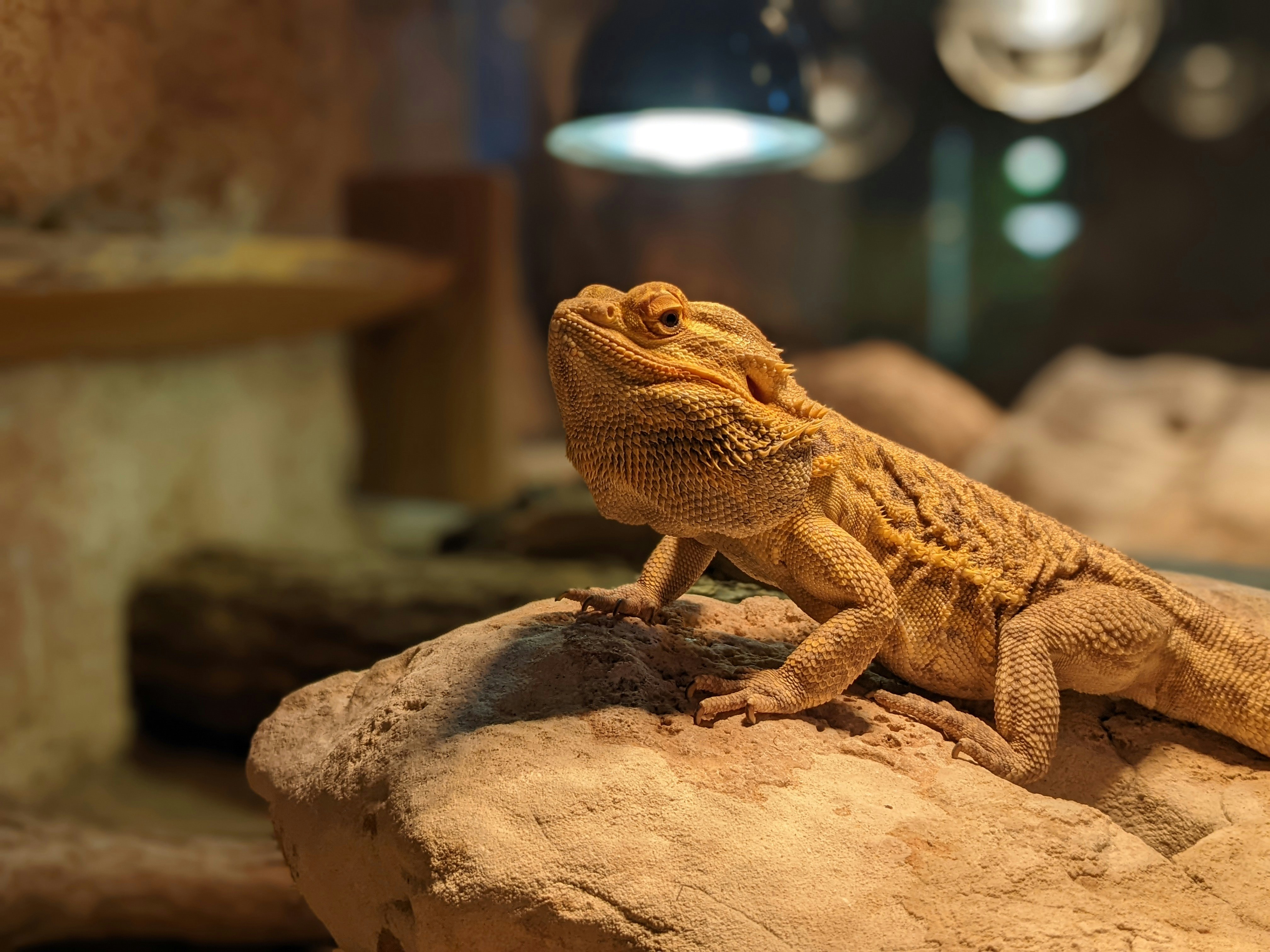
It occupies semi-arid areas, rocky deserts, and scrublands, using rocks, logs, and burrows as shelter and basking spots.

Behavior

It is diurnal and spends much of the day basking on rocks or branches. It has curious and relatively social behavior.

Special traits

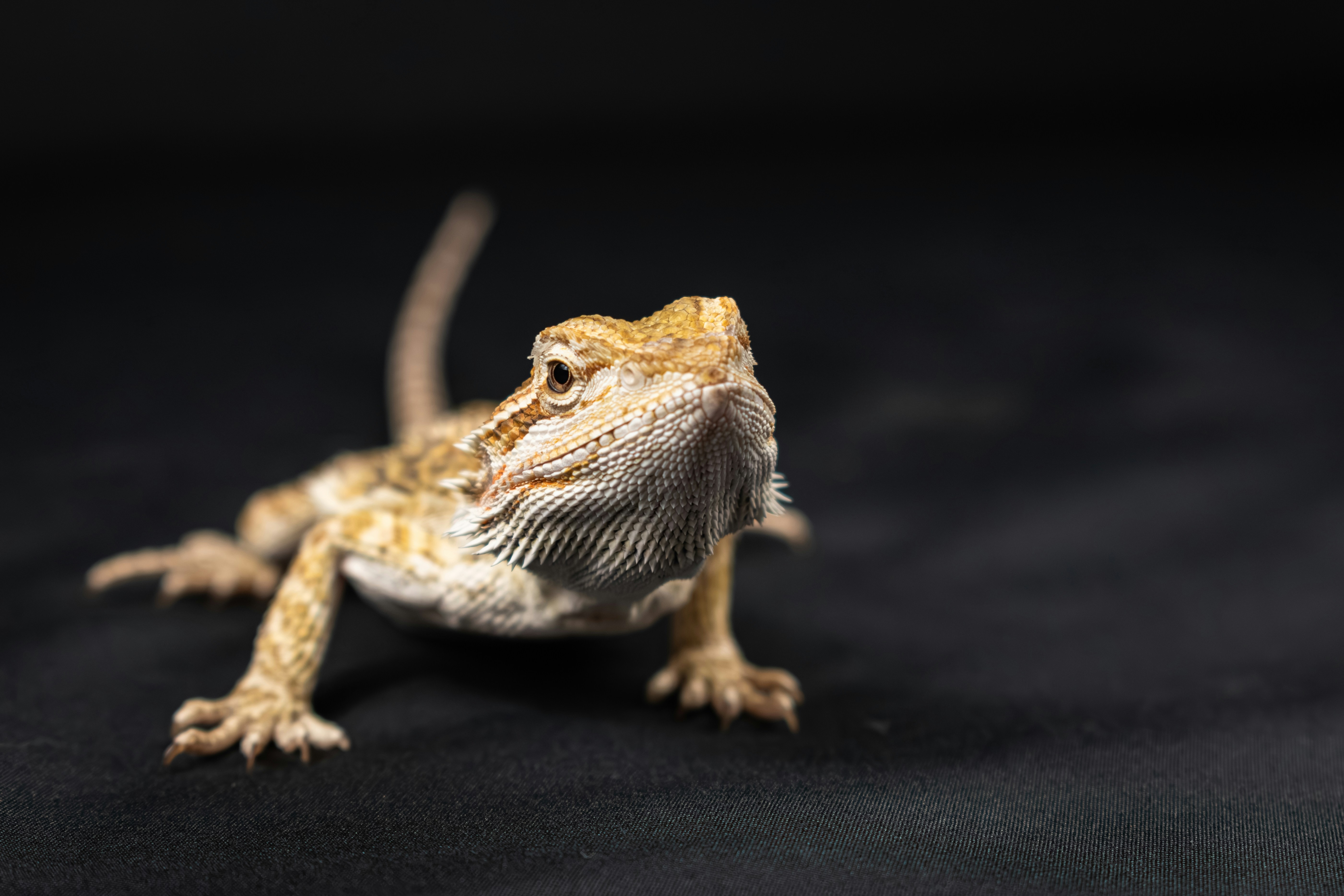
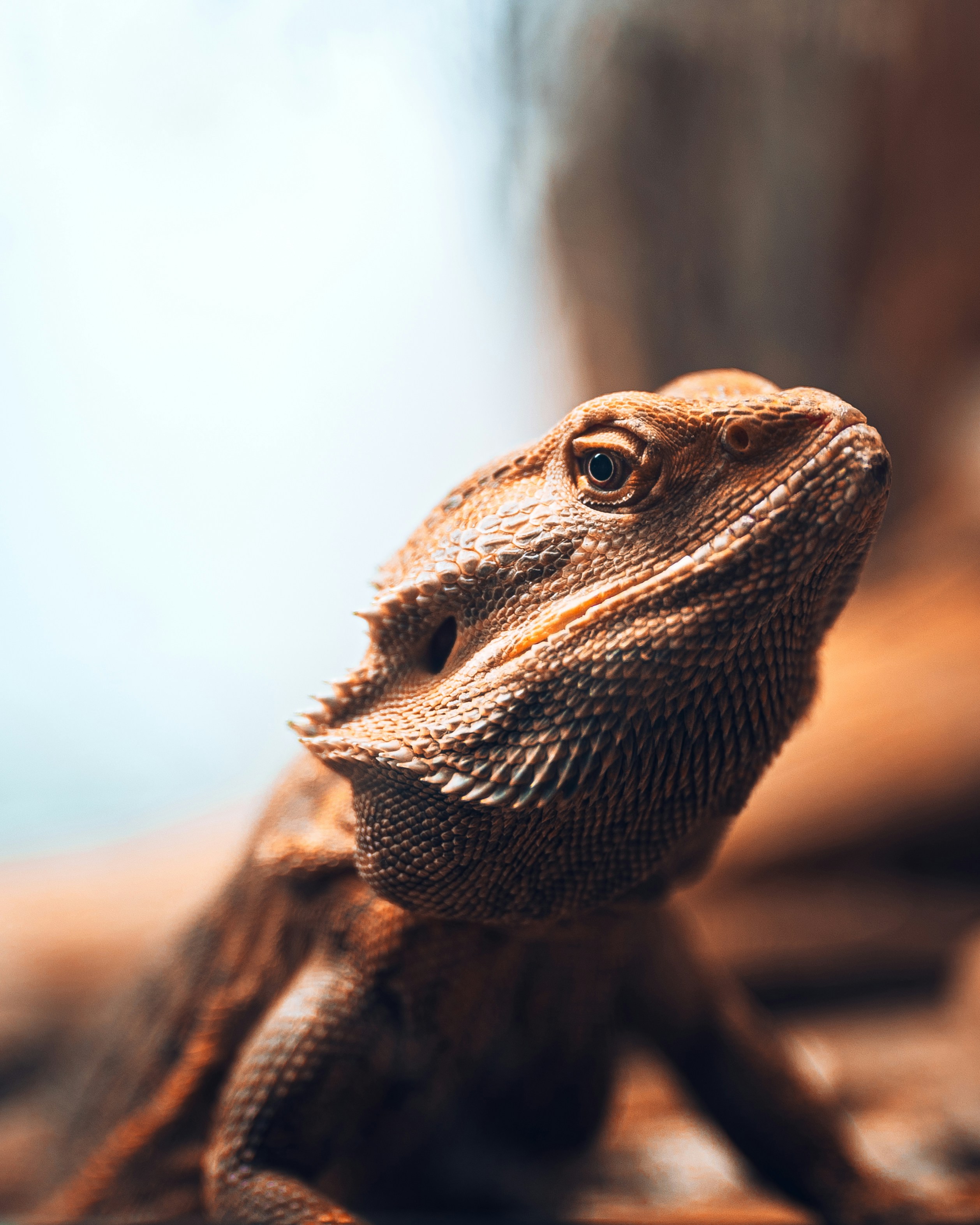
It can inflate its "beard" of spines when threatened or during territorial displays. Its flattened body helps it absorb heat.

Conservation and threats

It is not considered globally threatened, although capture for trade can affect local populations if not regulated.

Curiosities

Striking details about Bearded Dragon that show its biology and ecology in a different way.

  • 🌍 It can change color slightly to regulate its body temperature.
  • Its "beard" of spines can darken and expand as a warning signal.
  • 🔎 It is one of the most popular reptiles in terrarium keeping due to its docile nature and ease of maintenance.
  • 🧠 It can make greeting gestures by moving a front leg, behavior observed both in the wild and in captivity.

Perfil de bienestar

Aspects to consider if Bearded Dragon is kept in captivity at specialized centers.

Terrarium size Medium

Requires spacious horizontal terrariums with multiple basking spots and shelters where it can hide.

Thermal requirements Critical

Intense UVB lighting and well-defined heat spots are essential for bone health, digestion, and overall well-being.

Tolerance to handling Low

Generally tolerates calm handling well and can become quite docile over time with proper treatment.

Bearded Dragon in captivity

General information aimed at professional facilities and authorized centers. Not intended to promote private keeping of wildlife without proper training and permits.

⚠️ Although it is one of the most common reptiles in captivity, it remains a wild animal. It is essential to research well before acquiring one and avoid impulse purchases.

Suitable terrarium

Spacious horizontal terrariums with intense UVB lighting, localized heat spots, appropriate substrate, and shelters. The recommended minimum space is important.

Feeding

Varied omnivorous diet: insects, vegetables, flowers, and occasional fruits. Supplementation with calcium and vitamins is essential, especially for juveniles.

Health and checkups

It is important to monitor weight, shed quality, and behavior. Metabolic problems are common if adequate conditions are not maintained.

Responsibility

Responsible breeding and sales with proper information are essential. Always prioritize ethical breeders and responsible adoptions.

Imagen ampliada