Betta Fish
Scientific name: Betta splendens
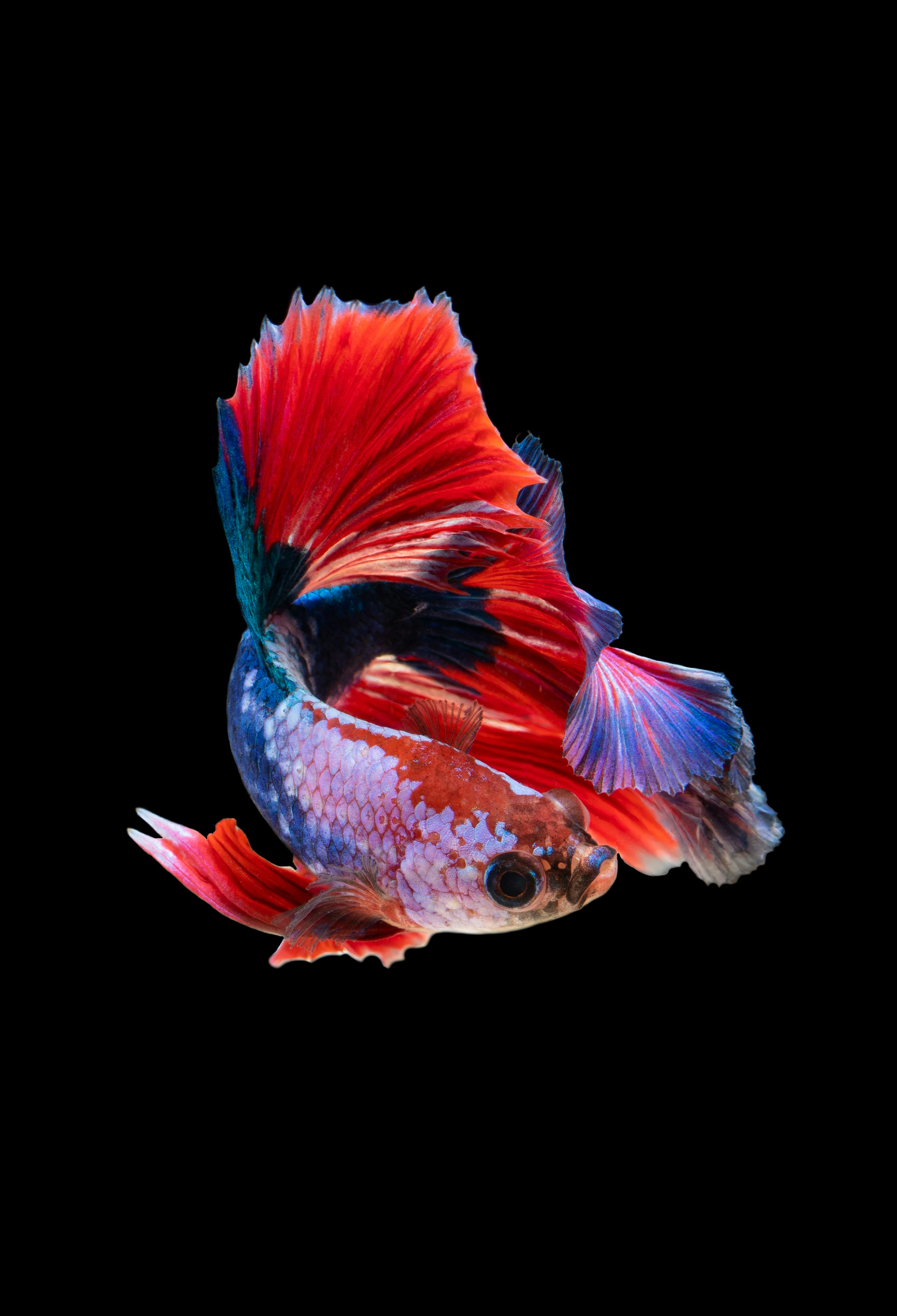
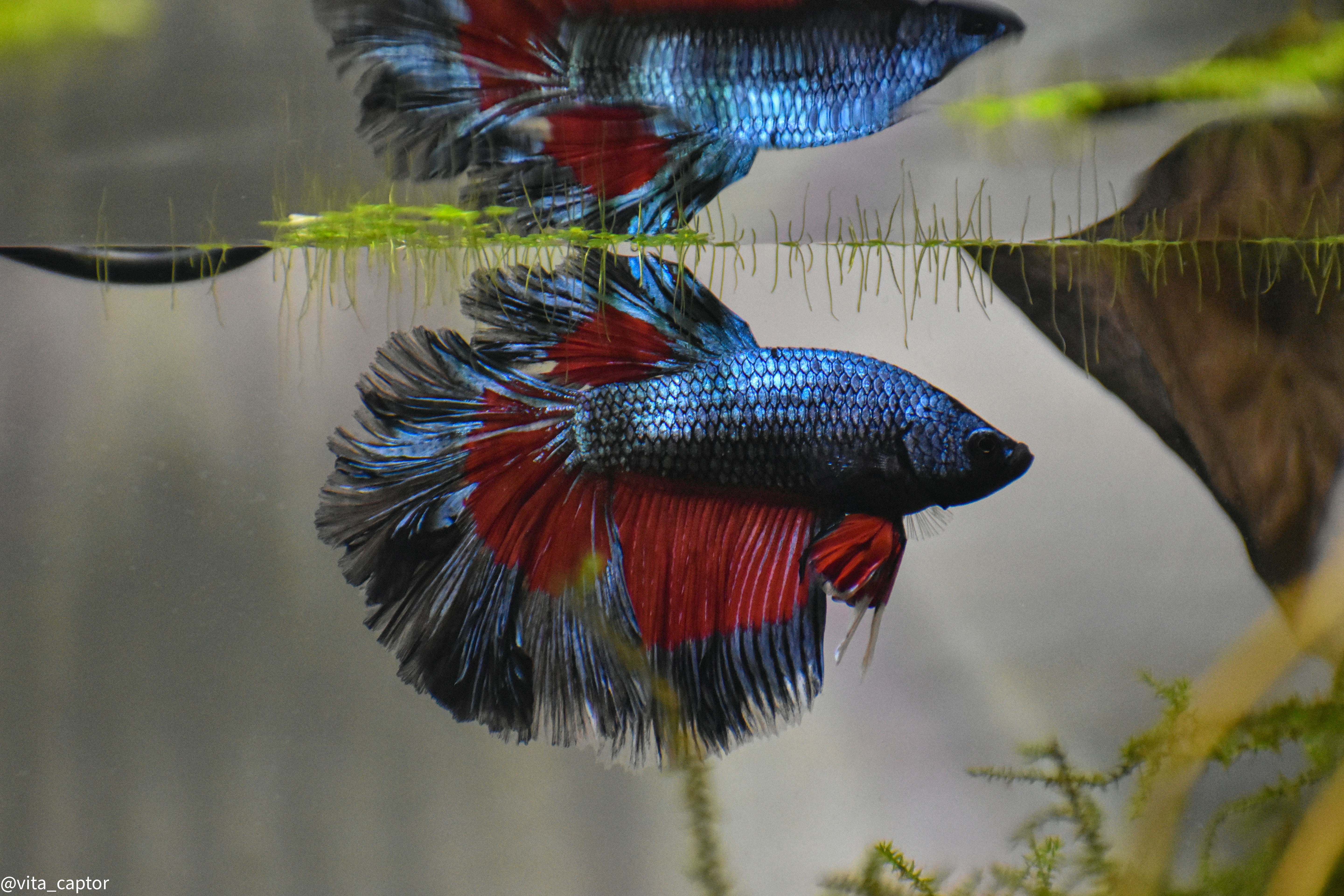
Siamese fighting fish, colorful and territorial, ideal for individual aquariums.
Quick facts
- Approximate size5–7 cm
- Average weight3–4 g
- Life expectancy2–4 years (captivity)
- ActivityMainly diurnal
Scientific name: Betta splendens
Siamese fighting fish, colorful and territorial, ideal for individual aquariums.
How the betta fish is in its natural environment, before becoming an aquarium fish.
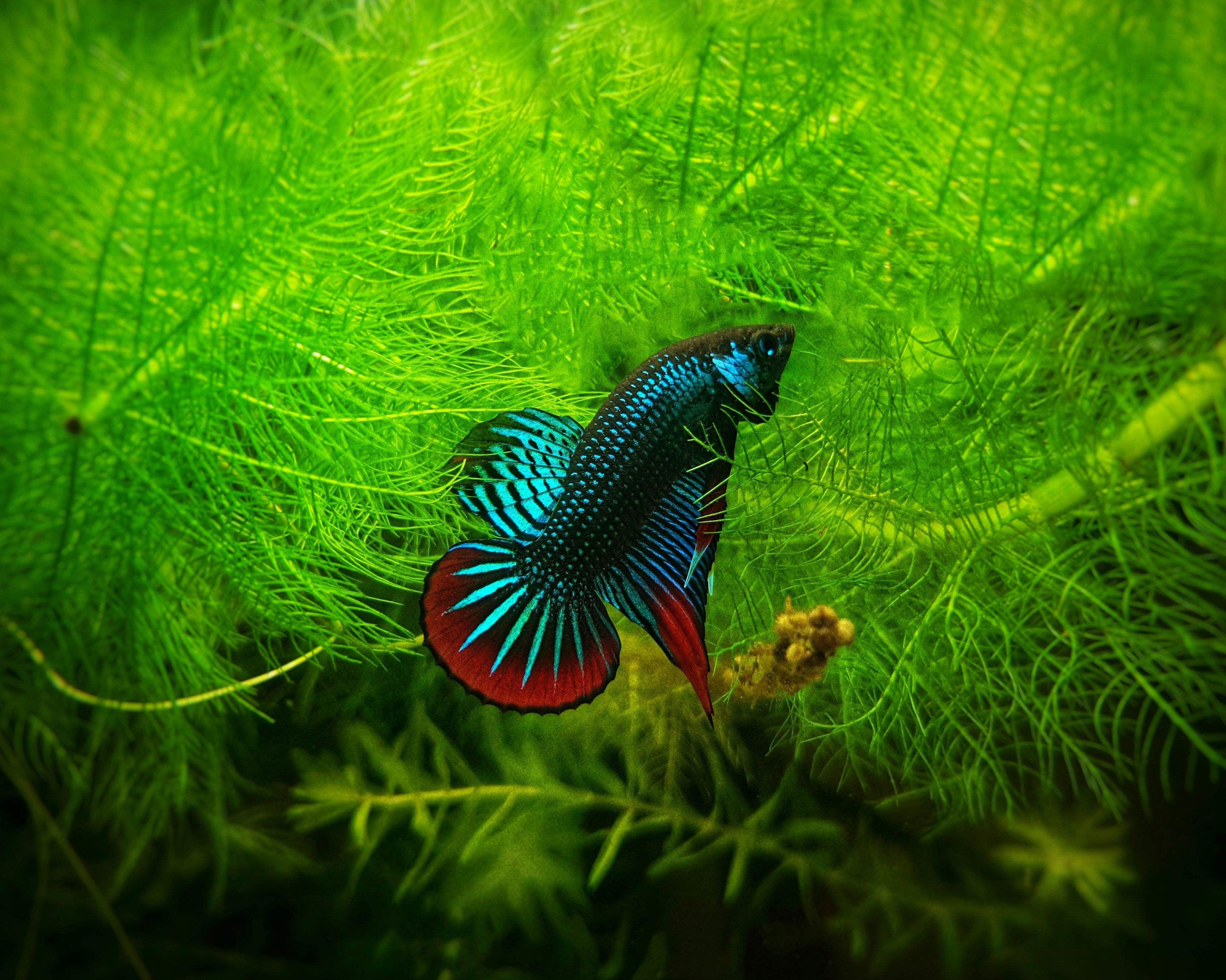
The betta comes from freshwaters of Southeast Asia, especially rice paddies, canals, and ponds in Thailand, Cambodia, and Vietnam. It is a labyrinth fish, capable of breathing atmospheric air in addition to using its gills.
In the wild it lives in shallow waters, with dense vegetation and almost non-existent current. The water is usually warm, slightly acidic, and loaded with organic matter from leaves and roots.
Males are territorial and defend small areas where they build bubble nests. Females can form small groups, but also seek refuge among plants and roots.
Wild populations are affected by habitat loss and water pollution. Aquarium varieties mostly come from selective breeding lines, very different from wild bettas.
Interesting details about the behavior and biology of the betta fish.
Key aspects to ensure the welfare of the betta fish in responsible home aquariums.
Although it can survive in small volume, it needs adequately sized aquariums to swim and maintain stable parameters. Typical "bowl fishbowls" are not appropriate.
It is a tropical fish: requires warm and clean water, with gentle filtration. Cold water or without adequate filtration greatly shortens its life expectancy.
Males should not live together. Coexistence with other species requires large aquariums and calm companions that do not damage their fins.
General recommendations for its responsible maintenance. It does not replace specialist advice or local regulations.
It can be if its real needs for space, temperature, and filtration are respected. It is not if you intend to keep it in tiny containers without a filter or heater.
Stable aquarium with gentle filtration and sufficient volume. Warm water appropriate for a tropical fish. Hiding places and plants (natural or quality artificial) to reduce stress. Varied diet with specific feed and frozen or live prey.
A healthy betta shows curiosity, opens its fins, and eats eagerly. Extreme lethargy, clamped fins, or difficulty swimming are signs that something is wrong.
Always consider if you can offer it several years of care. If not, it is better not to acquire it and enjoy the species through educational material and conservation projects.