Blue-tongued Skink

Scientific name: Tiliqua scincoides

Type: Reptile Main biome: Temperate Forest Difficulty: Media

Ground-dwelling reptile with calm movements, adapted to Australian savannas and open forests.

Quick facts

  • Approximate size40–55 cm
  • Average weight400–800 g
  • Life expectancy15–20 years (captivity)
  • ActivityDiurnal
Blue-tongued Skink
Blue-tongued Skink
Blue-tongued Skink

Basic information

  • 🏡Habitat: occupies savannas, open forests, and suburban areas with shelters among logs, rocks, and vegetation.
  • 🍏Diet: omnivorous; consumes insects, snails, flowers, fruits, and various vegetables.
  • 👫Sexual dimorphism: not very evident; males may show a slightly wider head and greater thickness at the base of the tail.
  • 🐾Predators: birds of prey, foxes, cats, and dogs; in inhabited areas, it suffers many road accidents.

Life in the wild

How this species lives in its natural environment, with the climate, shelters and resources it needs.

Species overview

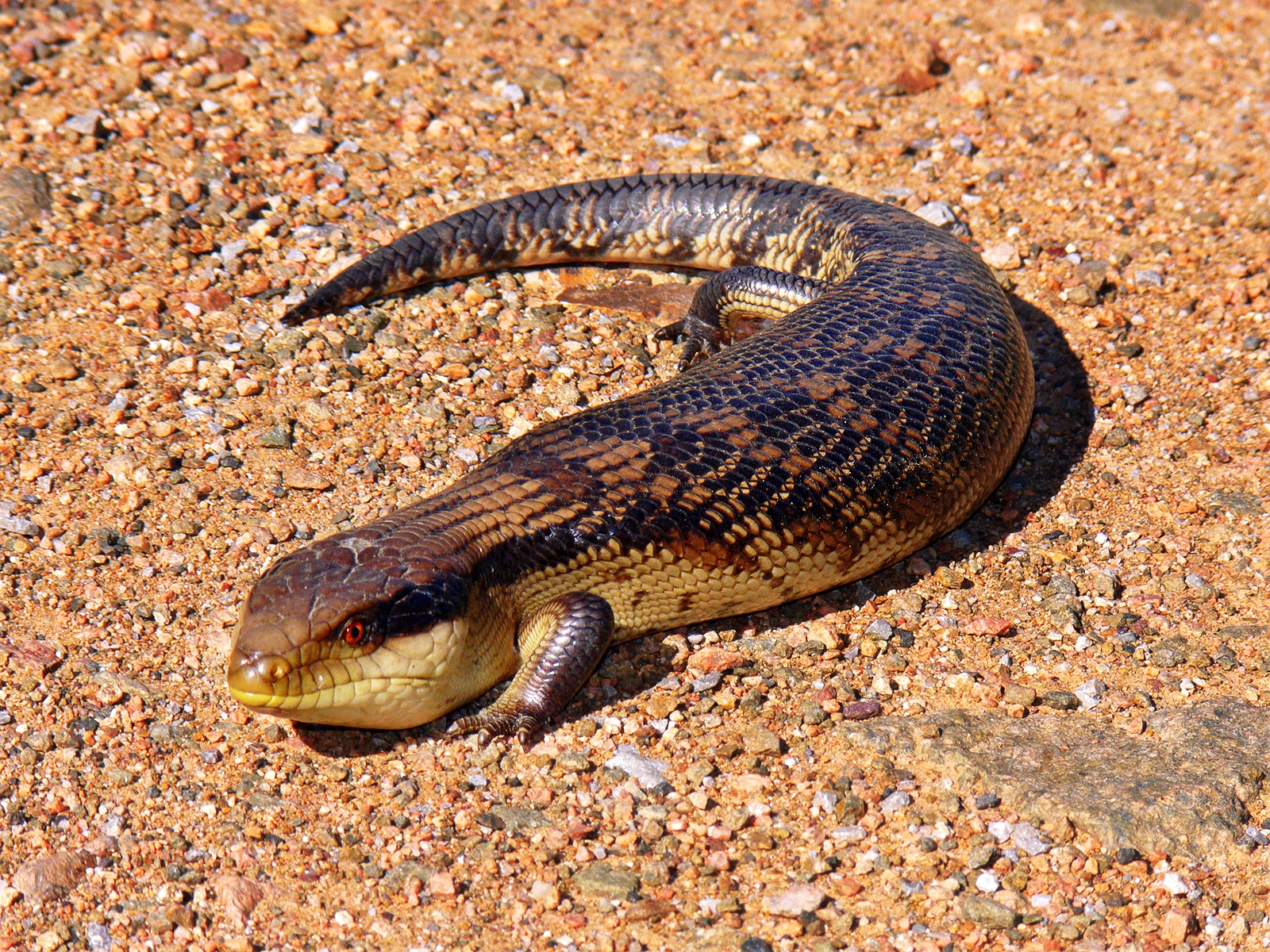
The blue-tongued skink is a robust, slow-moving lizard that explores the floor of savannas and open forests.

Natural habitat

It uses shelters among logs, rocks, and dense vegetation, and adapts well to suburban area margins as long as it finds hiding places and food.

Behavior

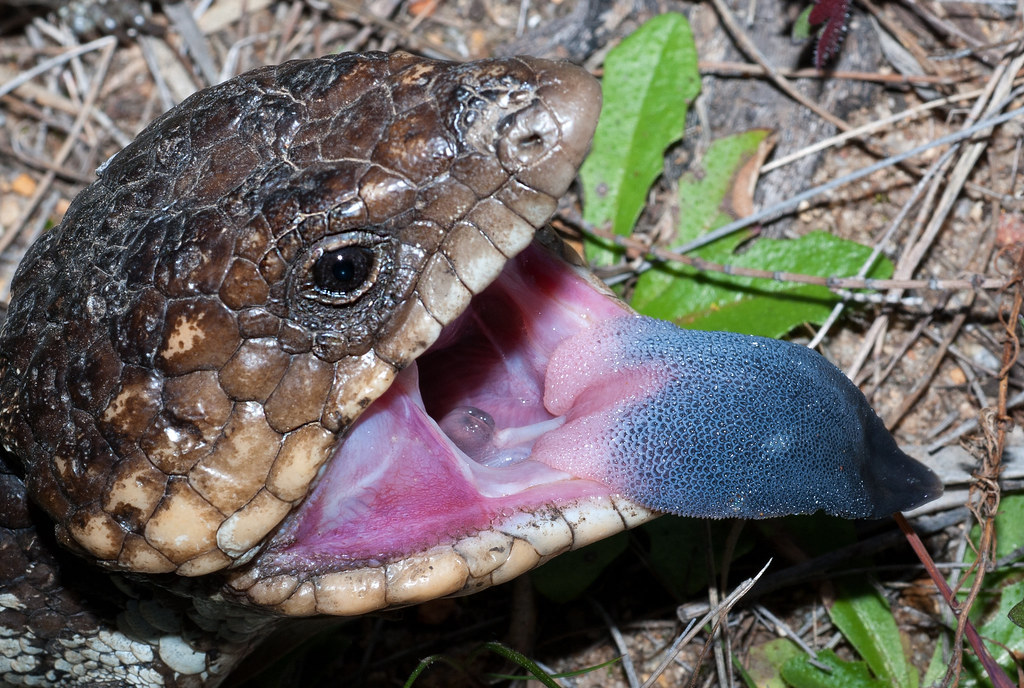
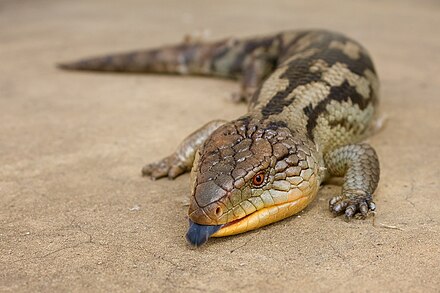
It is diurnal and spends much of the day moving in search of food or basking near safe shelters. When threatened, it displays its blue tongue and flattens itself to appear larger.

Special features

Its intense blue-colored tongue acts as a warning signal. Its elongated body and short legs allow it to move through dense grasses and shrubs.

Conservation and threats

In much of its range, it is considered relatively common, but road traffic, habitat degradation, and predation by pets can affect local populations.

Curiosities

Striking details about this species that show its biology and ecology in a different way.

  • 🌍It displays its bright blue tongue as a warning when threatened.
  • It has a very robust body and relatively short limbs.
  • 🔎It is one of the most popular skink species in terrarium keeping due to its generally docile nature.
  • 🧠It requires good UVB lighting and a varied diet to avoid nutritional deficiencies.

Welfare profile

Aspects to consider if this species is kept in captivity in specialized centers.

Enclosures and spaceMedium

Requires spacious terrestrial enclosures with substrate that allows slight digging and solid shelters at different points in the terrarium.

Light, temperature, and environmentHigh

UVB lighting and well-defined heat spots are essential for bone health and digestion.

Handling and stressMedium

Moderately tolerates calm handling, but should not be treated as a play animal; its quiet times must be respected.

Blue-tongued Skink in captivity

General information aimed at professional facilities and authorized centers.

⚠️ The capture and trade of reptiles like this species are regulated in many countries. It is essential to verify the legal origin of animals and prioritize responsible breeding programs and habitat conservation.

Suitable enclosures

In responsible centers, wide-base terrariums with hides, logs, and accessible basking areas are recommended.

Feeding in responsible centers

Its captive diet should be varied: vegetable mixes, some quality protein, and adequate mineral supplementation.

Handling and welfare

Periodic veterinary check-ups help detect dental, weight, or shedding problems that may go unnoticed.

Ethical message

Although it is a relatively docile species, it is still wildlife and should be kept with welfare and education criteria, not just as a curiosity.

Imagen ampliada