Mata Mata Turtle

Scientific name: Chelus fimbriata

Type: Reptile Main biome: Rivers and Wetlands Difficulty: Alta

Master of camouflage in murky waters, specialized in capturing fish through suction.

Quick facts

  • Approximate size45–53 cm shell
  • Average weight8–15 kg
  • Life expectancy20–30 years (estimated, captivity)
  • ActivityMainly nocturnal and crepuscular
Mata Mata Turtle
Mata Mata Turtle
Mata Mata Turtle

Basic information

  • 🏡Habitat: lives in slow rivers, flooded lagoons, and swampy areas of South American rainforests, with muddy bottoms and plenty of leaf litter.
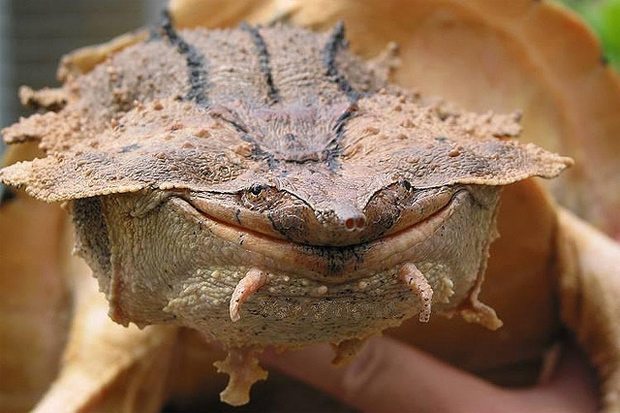
  • 🍏Diet: feeds on fish and other aquatic animals that it suddenly sucks in by opening its mouth like a funnel.
  • 👫Sexual dimorphism: females usually have shorter tails and slightly different shells; the dimorphism is not very evident.
  • 🐾Predators: juveniles can be preyed upon by caimans, large fish, and birds; adults have few natural enemies apart from humans.

Life in the wild

How this species lives in its natural environment, with the climate, shelters and resources it needs.

Species overview

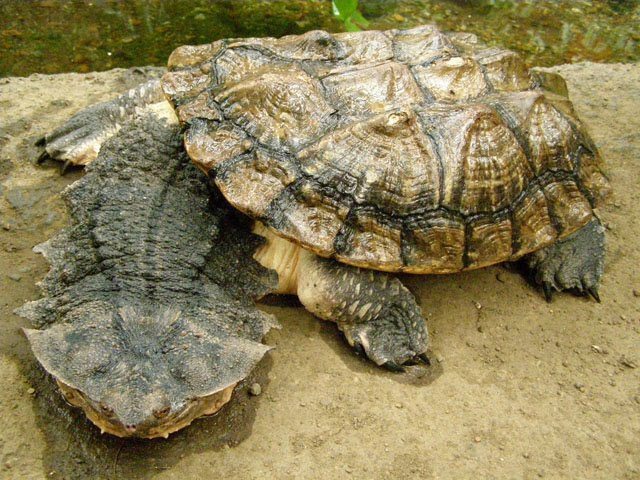
The mata mata turtle is an extraordinary example of aquatic camouflage, going almost unnoticed among submerged leaves.

Natural habitat

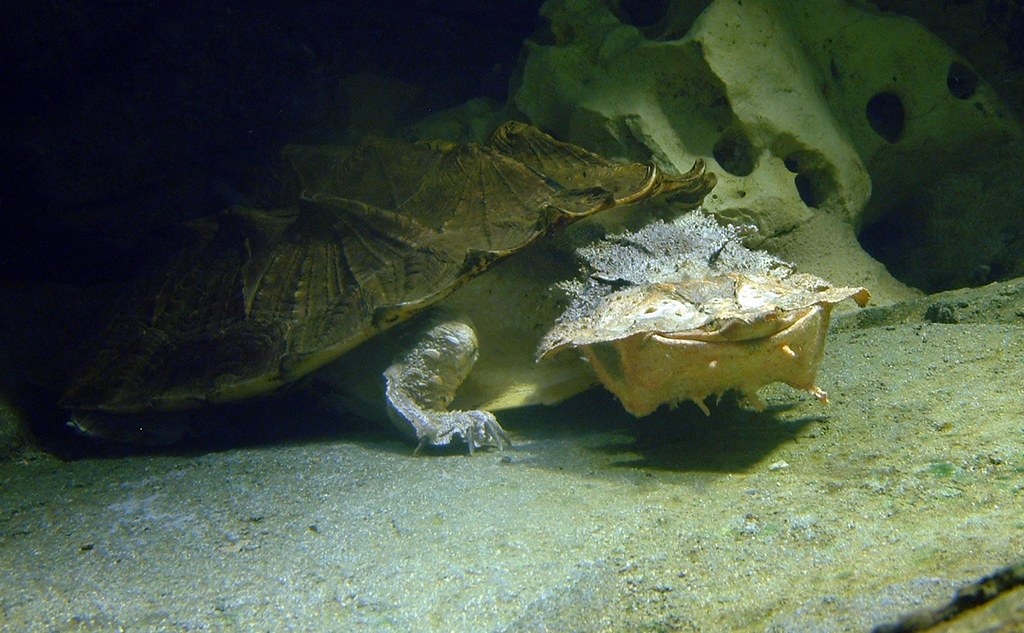
It inhabits slow waters, backwaters, and lagoons in jungle areas, where muddy bottoms and submerged vegetation offer perfect camouflage.

Behavior

It remains motionless for long periods, waiting for fish to get close enough to suck them in with a quick mouth movement.

Special features

Its flattened head, wide neck, and rough shell mimic decomposing branches and leaves. It is an almost pure ambush predator.

Conservation and threats

Capture for trade and alteration of waterways can impact its populations. Its wide distribution gives it some margin, but requires monitoring.

Curiosities

Striking details about this species that show its biology and ecology in a different way.

  • 🌍Its appearance resembles bark and decomposing leaves, allowing it to go unnoticed on the bottom.
  • It does not actively pursue its prey but waits motionless until they pass nearby.
  • 🔎It requires large, very specific water bodies that are difficult to replicate in captivity.
  • 🧠International trade has impacted some populations, so its keeping is regulated in many places.

Welfare profile

Aspects to consider if this species is kept in captivity in specialized centers.

Enclosures and spaceHigh

In captivity, it needs large volumes of shallow water, with soft-bottom areas and shelters where it can rest effortlessly.

Light, temperature, and environmentHigh

Water quality must be very stable, with efficient filtration but without strong currents.

Handling and stressHigh

Direct handling should be avoided as much as possible; its weight and shape make it easy to injure if not held correctly.

Mata Mata Turtle in captivity

General information aimed at professional facilities and authorized centers.

⚠️ The capture and trade of reptiles like this species are regulated in many countries. It is essential to verify the legal origin of animals and prioritize responsible breeding programs and habitat conservation.

Suitable enclosures

Enclosures are designed as large aquariums or shallow indoor ponds, with simple exits for veterinary handling.

Feeding in responsible centers

Its diet in specialized centers consists of fish and other quality aquatic foods, avoiding excess fat.

Handling and welfare

It is advisable to frequently check the shell and limbs to detect wounds or infections.

Ethical message

Due to its highly specialized biology, it is considered a species suitable only for facilities with experience in large aquatic chelonians.

Imagen ampliada