Panther Chameleon

Scientific name: Furcifer pardalis

Type: Reptile Main biome: Tropical Jungle Difficulty: Alta

Arboreal specialist of tropical climate, famous for its great variety of colors depending on the population of origin.

Quick facts

  • Approximate size35–50 cm (males larger)
  • Average weight120–200 g
  • Life expectancy5–7 years (captivity)
  • ActivityDiurnal, mainly among branches and shrubs
Panther Chameleon
Panther Chameleon
Panther Chameleon

Basic information

  • 🏡Habitat: lives in humid forests, plantations, and wooded areas of Madagascar, moving slowly between branches and dense foliage.
  • 🍏Diet: insectivorous; feeds on a wide variety of insects and other invertebrates that it captures with its long projectile tongue.
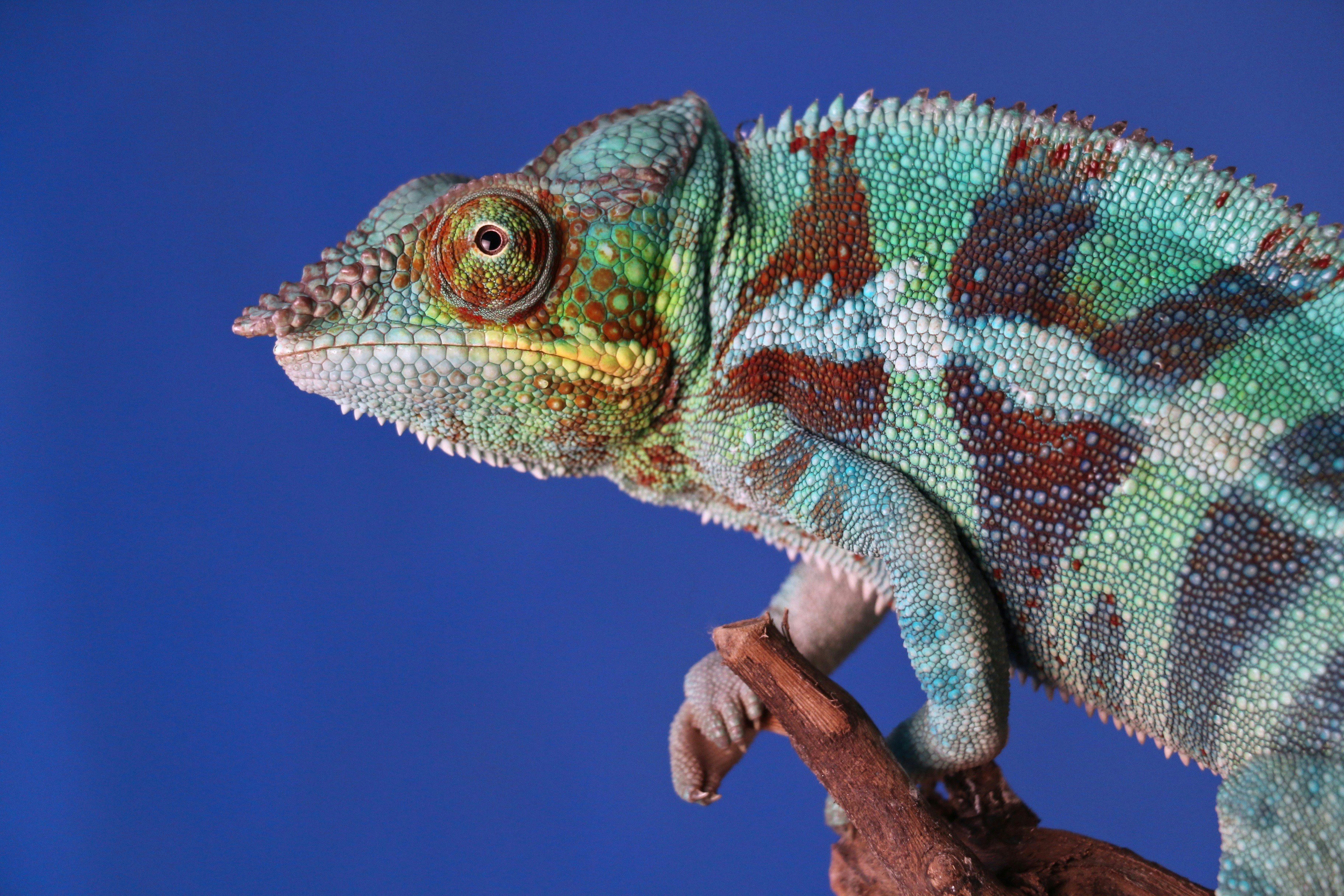
  • 👫Sexual dimorphism: very marked; males reach larger size and show much more intense and striking colors than females.
  • 🐾Predators: birds of prey, snakes, and arboreal mammals; capture for trade also poses significant pressure.

Life in the wild

How this species lives in its natural environment, with the climate, shelters and resources it needs.

Species overview

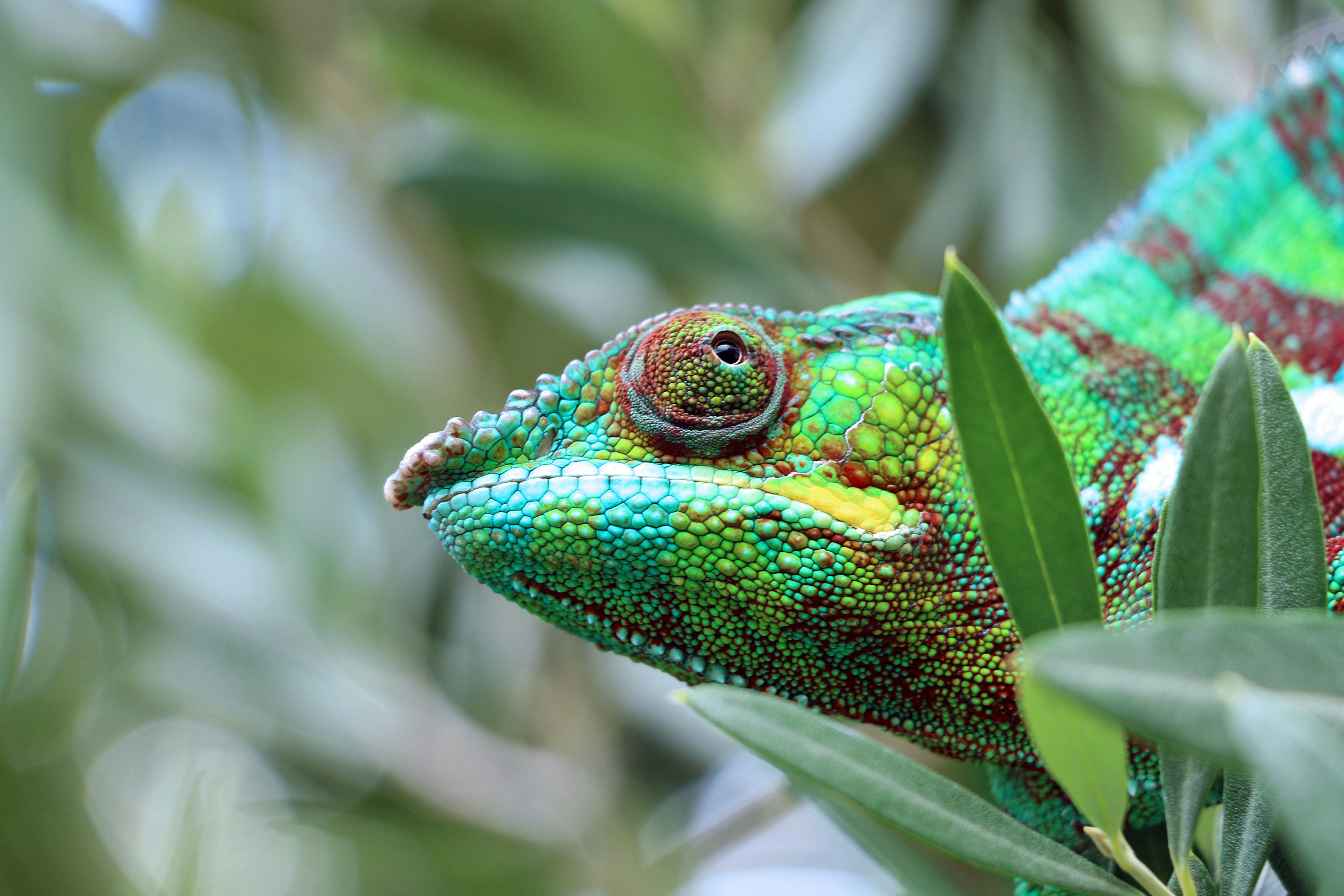
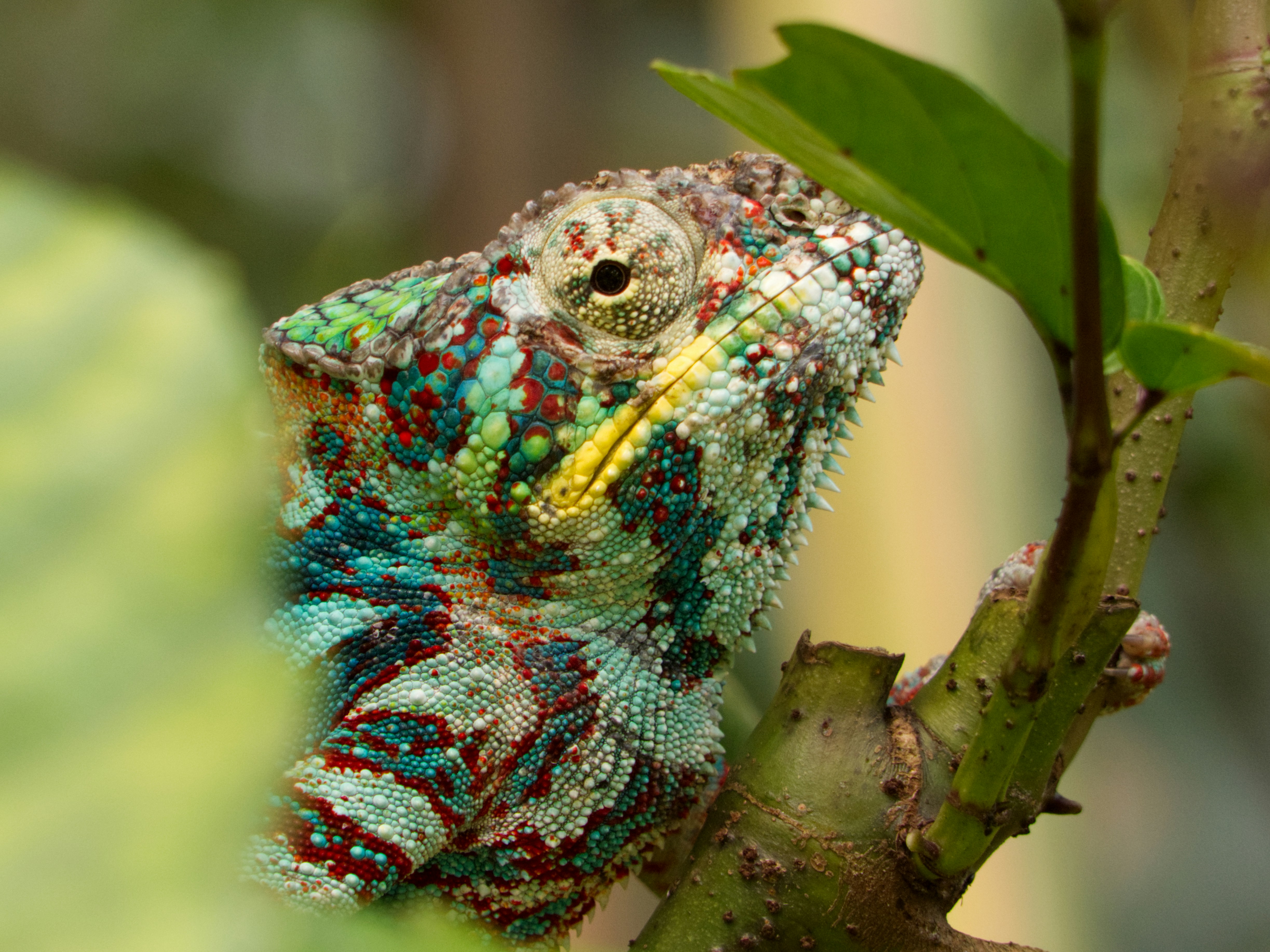
The panther chameleon is one of the most striking reptiles of Madagascar, with populations showing very different color patterns depending on the region.

Natural habitat

It inhabits humid forests, forest edges, and areas with trees and shrubs where it can climb. It needs plant cover that provides both shelter and observation points.

Behavior

It is diurnal and slow-moving, spending much of its time motionless among branches waiting for prey. Males defend territories with color changes and display postures.

Special features

Its independently moving eyes allow it to monitor almost its entire surroundings without moving its body. Its long projectile tongue is key to capturing insects at a distance.

Conservation and threats

Forest destruction, fires, and uncontrolled capture are significant threats. Trade regulation and captive breeding programs help relieve pressure on wild populations.

Curiosities

Striking details about this species that show its biology and ecology in a different way.

  • 🌍It shows different color morphs depending on the area of Madagascar it comes from.
  • It does not change color to camouflage against any background, but to regulate temperature and communicate.
  • 🔎Its eyes move independently, giving it a very wide field of vision.
  • 🧠It is one of the most kept chameleon species in advanced terrarium keeping, with high light and humidity requirements.

Welfare profile

Aspects to consider if this species is kept in captivity in specialized centers.

Enclosures and spaceHigh

Needs tall and well-planted enclosures, with many branches of different thicknesses for climbing and vertical movement.

Light, temperature, and environmentHigh

Requires a delicate balance between intense light, heat spots, and good ambient humidity, along with adequate ventilation.

Handling and stressHigh

Tolerates direct handling poorly; for its welfare, respectful observation is preferable and handling should be limited to occasional check-ups.

Panther Chameleon in captivity

General information aimed at professional facilities and authorized centers.

⚠️ The capture and trade of reptiles like this species are regulated in many countries. It is essential to verify the legal origin of animals and prioritize responsible breeding programs and habitat conservation.

Suitable enclosures

In specialized facilities, tall terrariums with partial mesh, natural or artificial vegetation, and elevated water points are used.

Feeding in responsible centers

The diet is based on varied, well-fed, and supplemented insects, adjusting the quantity to the size and age of each specimen.

Handling and welfare

Handling is ideally done with perches, allowing the animal to climb on its own. Repeatedly holding it by force causes chronic stress.

Ethical message

Ethically and practically, panther chameleons should only be kept in centers with experience in demanding tropical species.

Imagen ampliada