Veiled Chameleon

Scientific name: Chamaeleo calyptratus

Type: Reptile Main biome: Desert Difficulty: Alta

Climbing reptile that combines dry zones and vegetation in wadis and mountainous areas of the southern Arabian Peninsula.

Quick facts

  • Approximate size45–60 cm (males larger)
  • Average weight120–200 g
  • Life expectancy5–8 years (captivity)
  • ActivityDiurnal
Veiled Chameleon
Veiled Chameleon
Veiled Chameleon

Basic information

  • 🏡Habitat: lives in arid and semi-arid areas with scattered vegetation, often associated with temporary watercourses and gardens.
  • 🍏Diet: mainly insectivorous, although some individuals occasionally consume vegetables and tender shoots.
  • 👫Sexual dimorphism: males have a much taller casque, spurs on the hind legs, and more striking colors than females.
  • 🐾Predators: birds of prey, snakes, and mammals; introduced populations may also suffer predation by domestic animals.

Life in the wild

How this species lives in its natural environment, with the climate, shelters and resources it needs.

Species overview

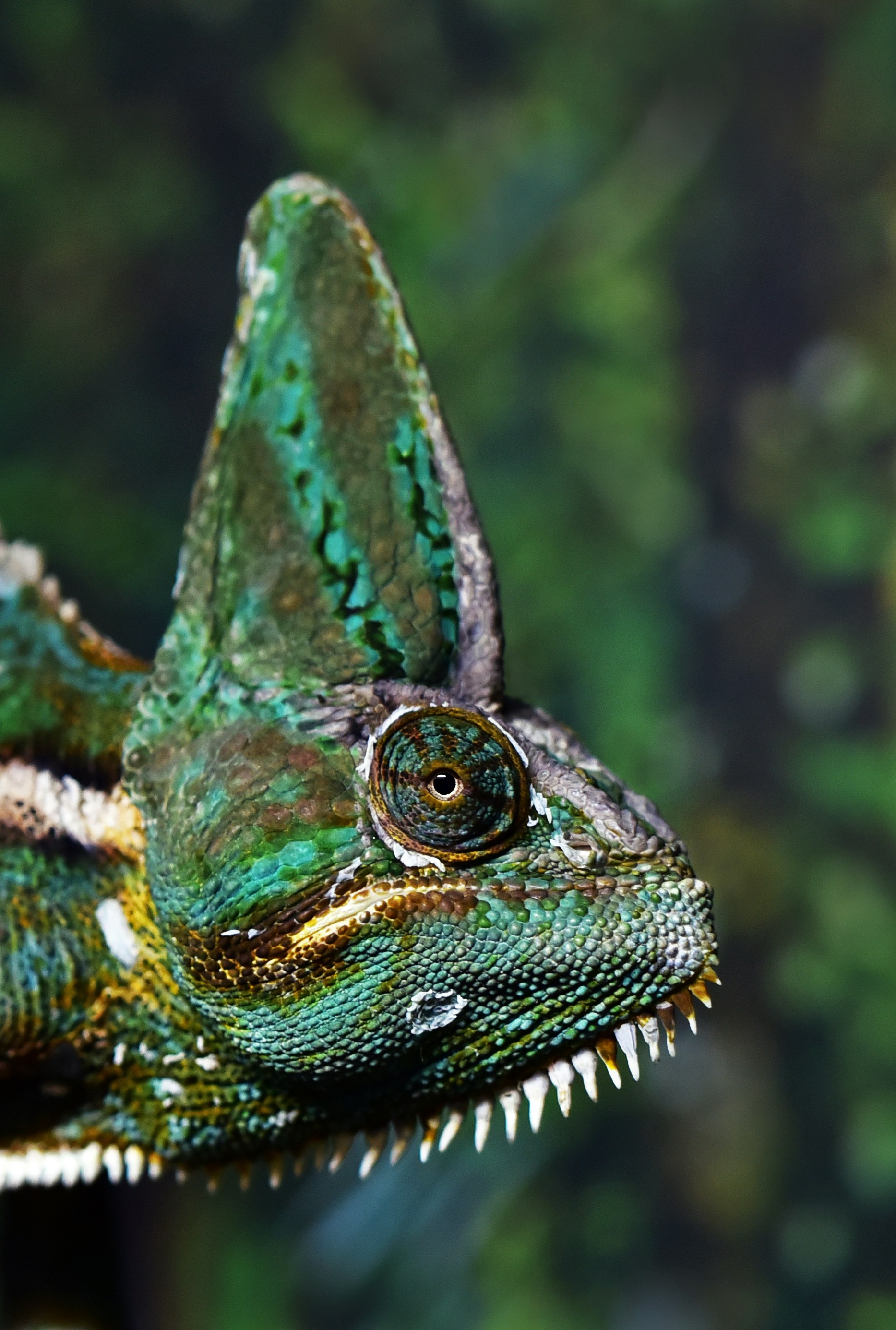
The veiled chameleon is a large chameleon from semi-arid and mountainous areas, easily recognizable by the tall casque on its head.

Natural habitat

It inhabits rocky slopes, wadis, and agricultural areas with trees and shrubs where it can climb and find insects and water sources.

Behavior

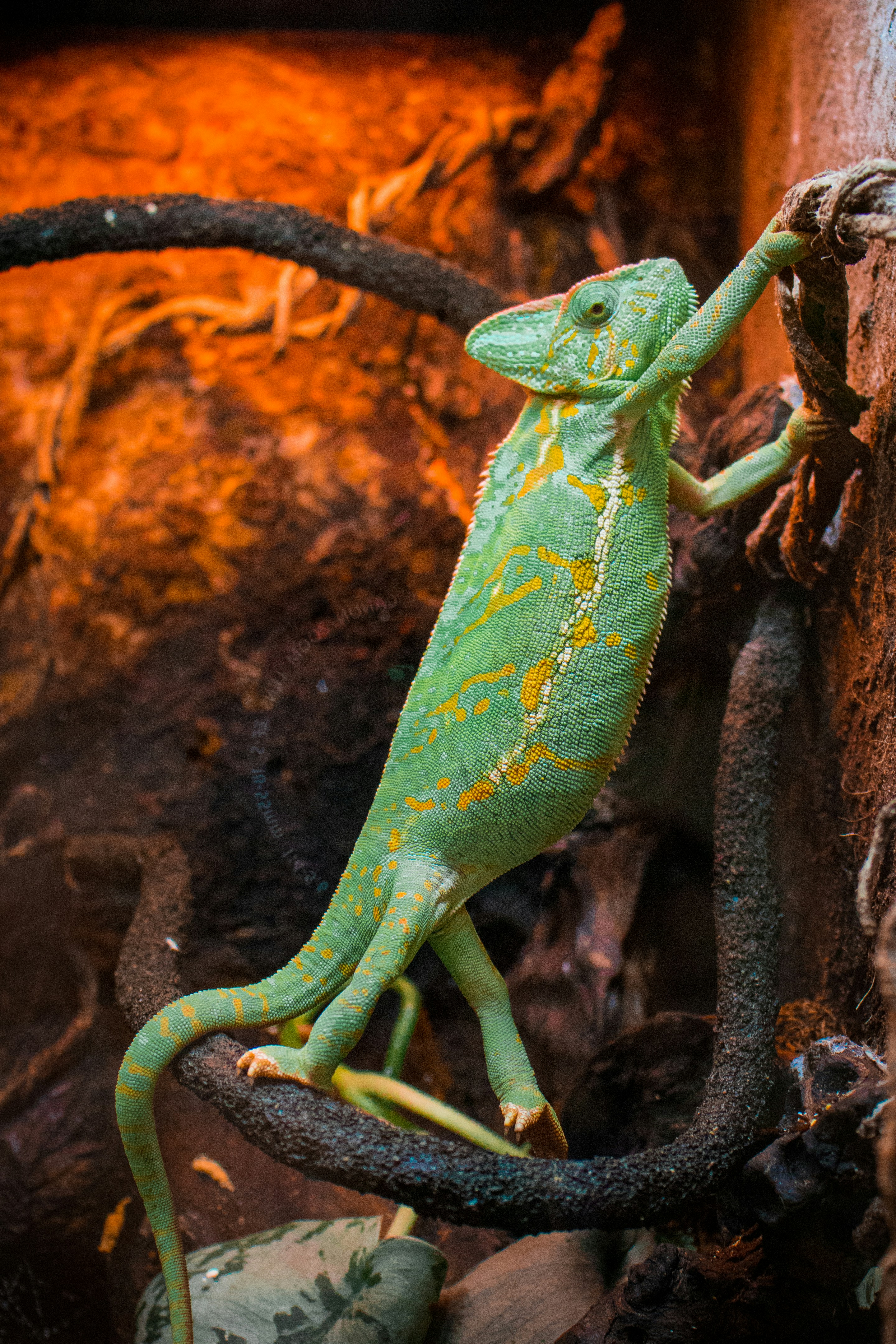
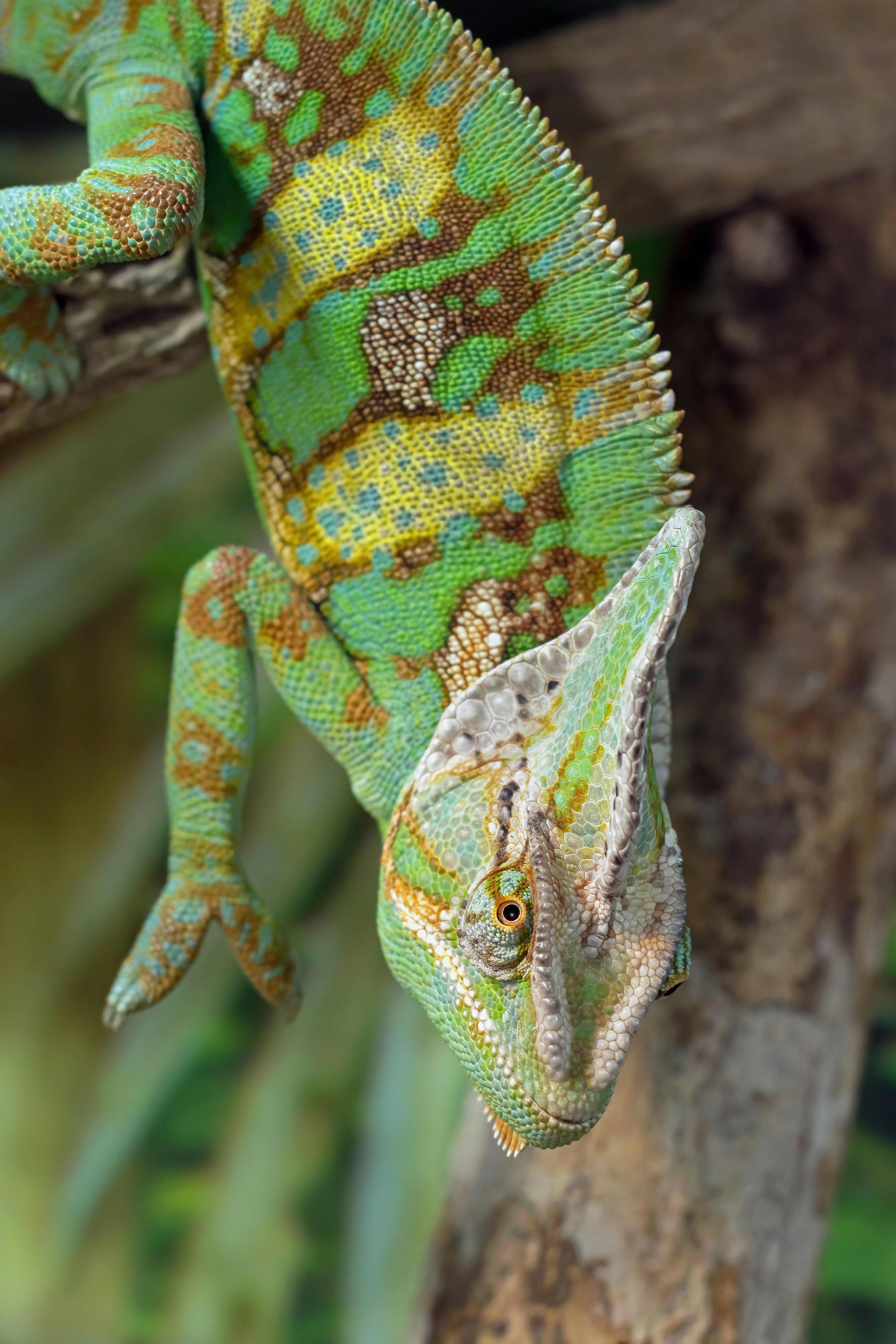
It is diurnal and spends much of the day among branches, moving slowly and basking in elevated spots. Males are territorial and show intense color changes when facing rivals.

Special features

The tall casque may help in water collection and thermal regulation. Like other chameleons, it uses a projectile tongue to capture insects at a distance.

Conservation and threats

In its native area, it is not considered one of the species of greatest concern, but introduced populations can pose an ecological problem elsewhere.

Curiosities

Striking details about this species that show its biology and ecology in a different way.

  • 🌍It is one of the most common chameleon species in terrariums, but has complex light and ventilation needs.
  • It regulates hydration by consuming water droplets that slide down leaves and branches.
  • 🔎It can show marked color changes in response to temperature, stress, and social communication.
  • 🧠In some places, it has been introduced outside its native range, with possible impacts on local wildlife.

Welfare profile

Aspects to consider if this species is kept in captivity in specialized centers.

Enclosures and spaceHigh

Needs tall, well-ventilated enclosures with abundant branches and vegetation for climbing, avoiding closed and poorly aired terrariums.

Light, temperature, and environmentHigh

Requires intense UVB lighting and a thermal gradient that allows it to choose between warm and cool areas.

Handling and stressHigh

Tolerates frequent handling poorly; it is better to limit physical interactions and observe it from a distance.

Veiled Chameleon in captivity

General information aimed at professional facilities and authorized centers.

⚠️ The capture and trade of reptiles like this species are regulated in many countries. It is essential to verify the legal origin of animals and prioritize responsible breeding programs and habitat conservation.

Suitable enclosures

In specialized facilities, cage-type structures with mesh and plants are used, allowing good ventilation and many grip points.

Feeding in responsible centers

The diet is based on varied insects, properly supplemented and offered throughout the day to stimulate hunting behavior.

Handling and welfare

Hydration is achieved through drip or misting systems that generate droplets on leaves and branches.

Ethical message

Keeping veiled chameleons should be accompanied by an educational plan that emphasizes their complex needs and the responsibility of ownership.

Imagen ampliada