Zebrafish (Zebra Danio)
Scientific name: Danio rerio
Tireless schooling swimmer that needs horizontal space to move.
Quick facts
- Approximate size3–5 cm
- Average weight1–2 g
- Life expectancy3–5 years (captivity)
- ActivityDiurnal
Scientific name: Danio rerio
Tireless schooling swimmer that needs horizontal space to move.
How this species lives in its natural environment, with the waters, shelters and resources it needs.
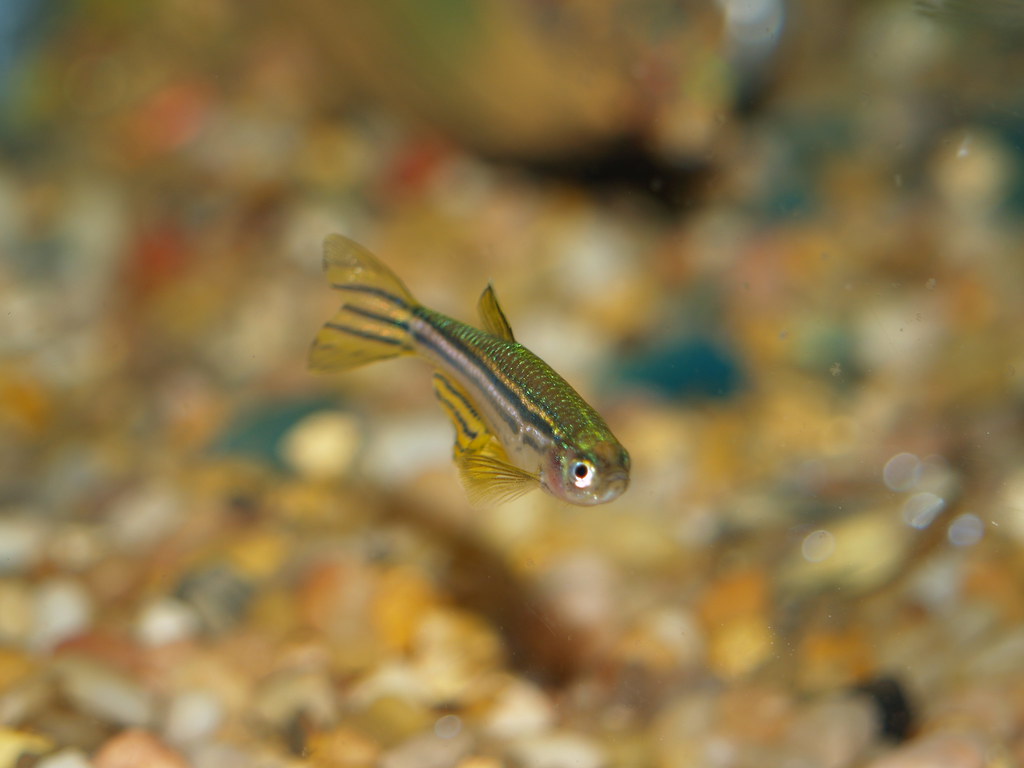
The zebrafish is both a popular aquarium fish and a key piece in biomedical research.
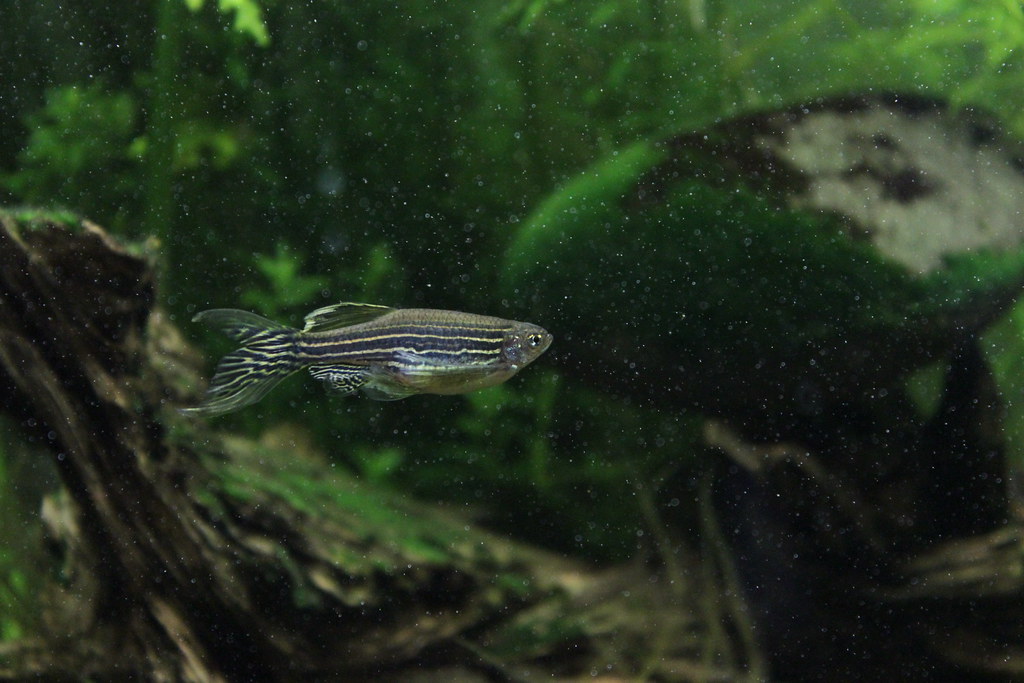
It occupies clear and shallow waters with some current and scattered vegetation.
It swims constantly in the middle and upper zone of the aquarium, following the group.
Its transparent embryos facilitate the study of organ and tissue development.
In the wild it remains relatively common; the main threat is the alteration of rivers and canals.
Striking details about this species that help better understand its biology and role in aquatic ecosystems.
Summary of the most critical points if this species is kept in aquariums, ponds or specialized facilities.
It needs aquariums with horizontal space to swim in groups, not just vertical.
It is very hardy and tolerates a wide range of water parameters.
It is an active fish that adapts well to human presence when in a group.
General information aimed at professional facilities, public aquariums and educational projects. It does not intend to promote capture or impulsive keeping of aquatic fauna.
Ideal for community aquariums with calm and similarly sized companions.
The diet includes fine food, small live prey, and frozen food.
It is essential to keep them in groups of at least 6–8 individuals so they show their natural behavior.
In education it can be used to talk about animal models in research and schooling behavior.
Many aquatic species suffer from massive captures, uncontrolled trade and irresponsible releases. The priority should always be to protect rivers, lakes and seas, reduce pollution and consume seafood responsibly.