🏜️ Biome · Desert
Desert
Temperature extremes and masters of survival.
🏜️ Biome · Desert
Temperature extremes and masters of survival.
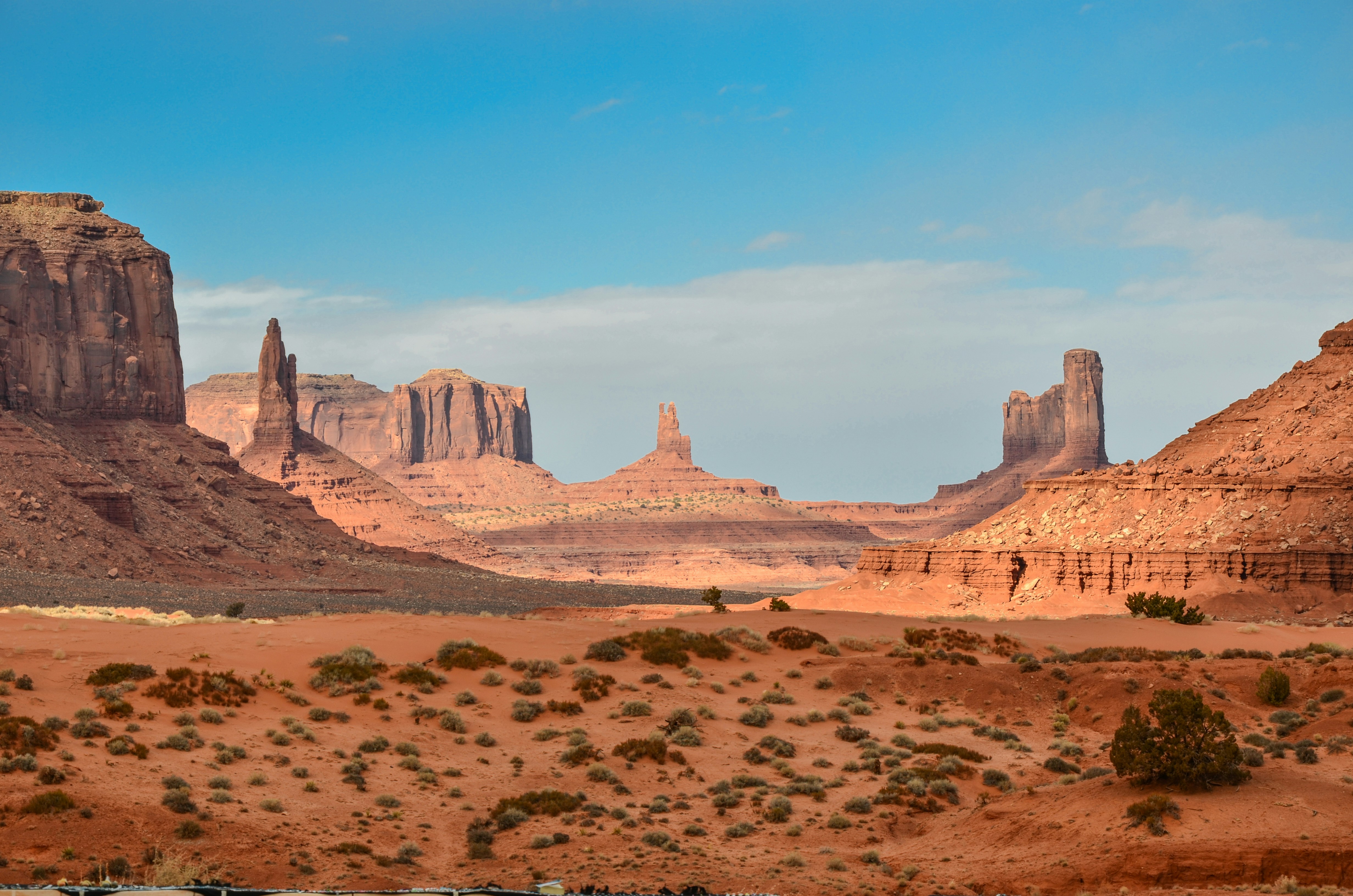
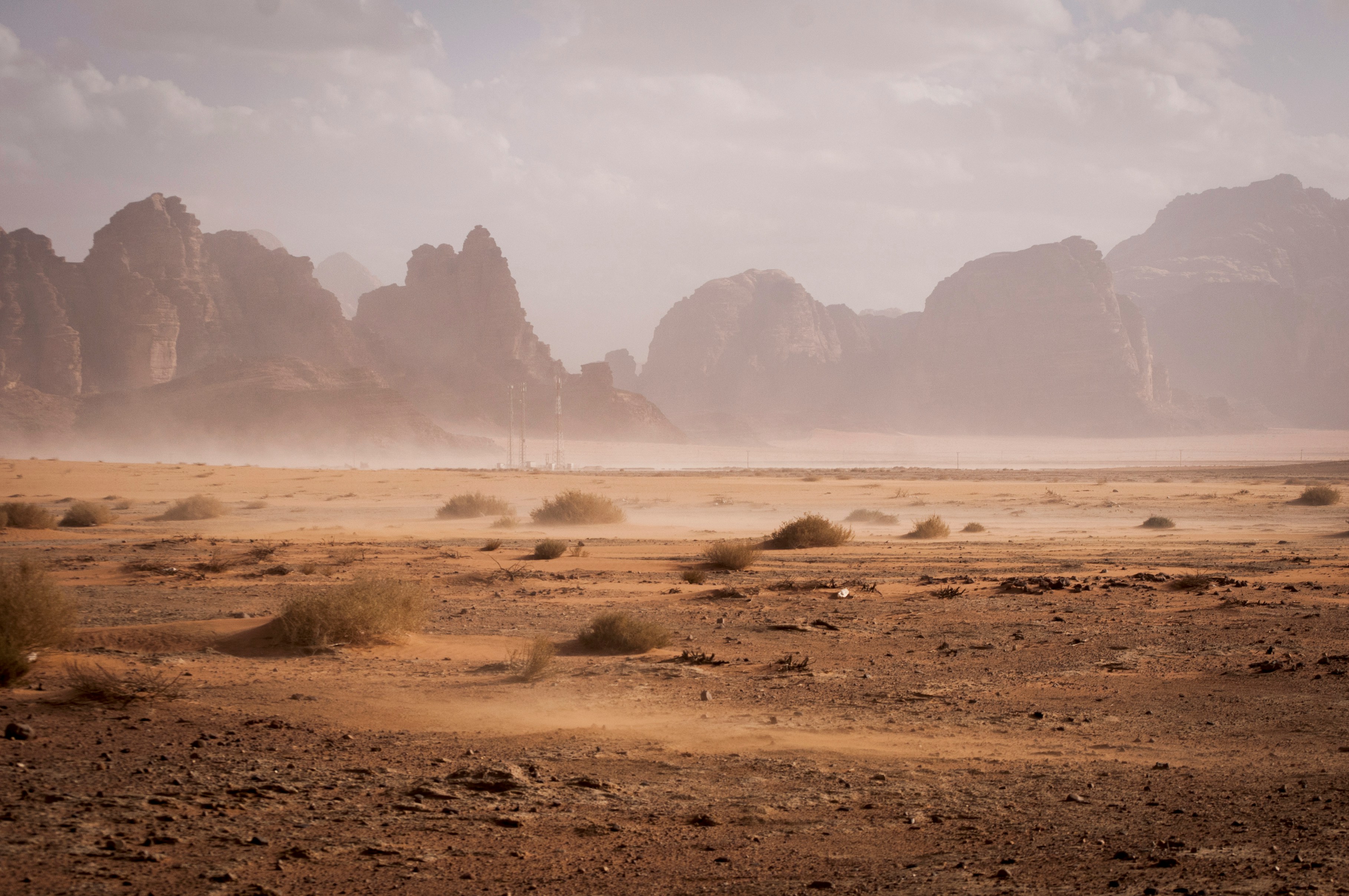
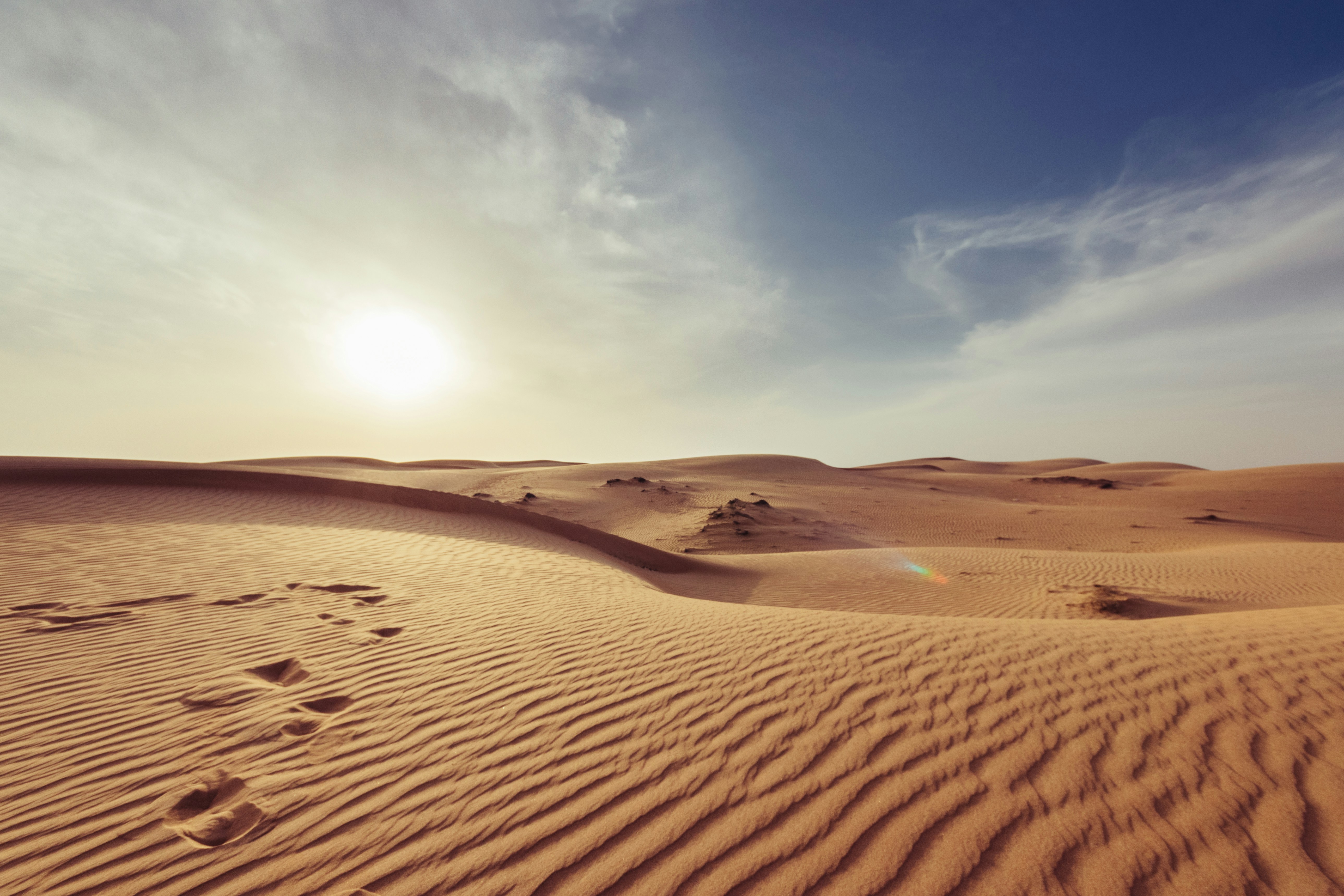
Deserts are characterized by scarce rainfall, strong thermal contrasts between day and night and open landscapes with little vegetation.
Few external parasites, abundant solar radiation and very dry air that reduces fungal proliferation.
Extreme temperatures and water scarcity force very fine strategies for energy and water conservation. Direct sun exposure can be lethal.
Many species are nocturnal or crepuscular. Others use deep burrows, large ears or light colors to dissipate heat.
General parameters that many species of the Desert habitat usually share.
Temperature range
25–38 °C (día), 18–25 °C (noche)
Remember to adapt these values to the specific needs of each species.
Relative humidity
20–40 %
Ventilation and substrate type greatly influence the actual humidity of the microhabitat.
Typical regions
Sahara, Arabian deserts, arid zones of Australia and North America.
General installation guidelines
Terrariums with good ventilation, localized heat sources and cool, deep shelters.
Example of temperature ranges throughout the day for the Desert biome.
Interesting little facts about how the Desert biome works.
General guidance for recreating the Desert biome in terrariums, aquariums or similar facilities.
In captivity, desert biomes are recreated with very well-ventilated terrariums, sandy substrates or compactable mixes and powerful heat sources.
Parameters are very stable once adjusted and terrarium cleaning is simple as it is a dry environment.
The most common mistake is excess heat or lack of thermal gradient. There is also a risk of impaction if inappropriate loose substrates are used.
Species from our catalog associated with the Desert biome.
Large chameleon with tall casque on the head, native to mountainous arid zones.
View profile →Terrestrial lizard from central Australia, adaptable and generally calm-tempered.
View profile →Beetle known for forming and rolling dung balls that it buries for feeding and breeding.
View profile →