🏞️ Biome · Rivers and Wetlands
Rivers and Wetlands
Moving water and flooded areas full of life.
🏞️ Biome · Rivers and Wetlands
Moving water and flooded areas full of life.
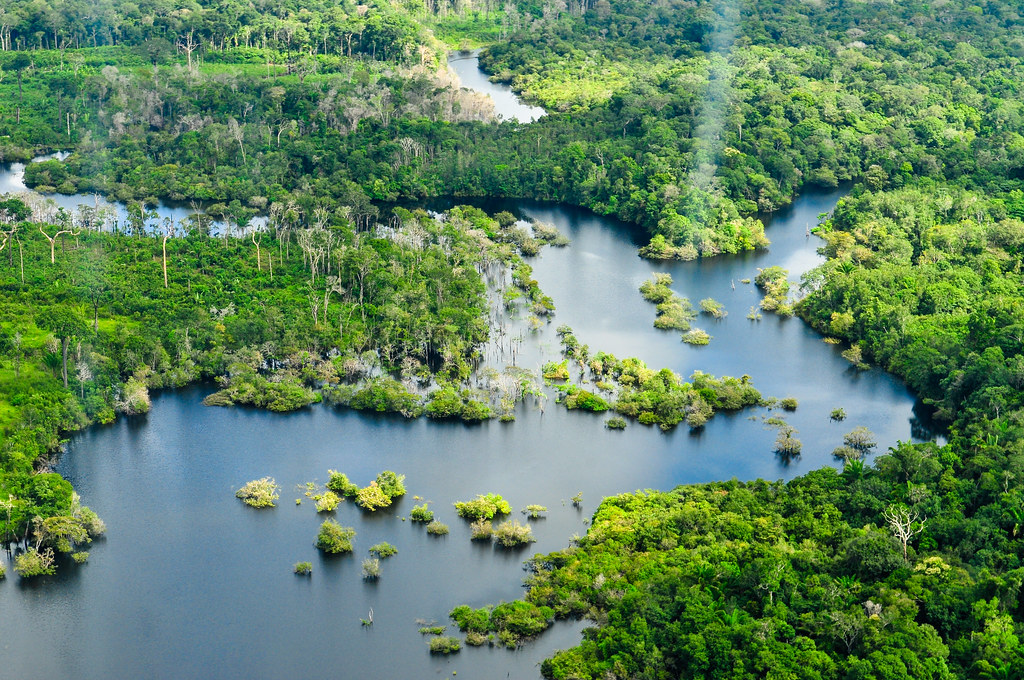
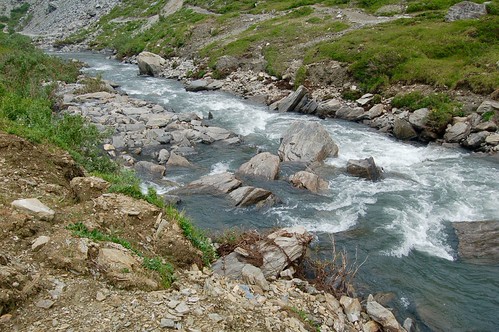
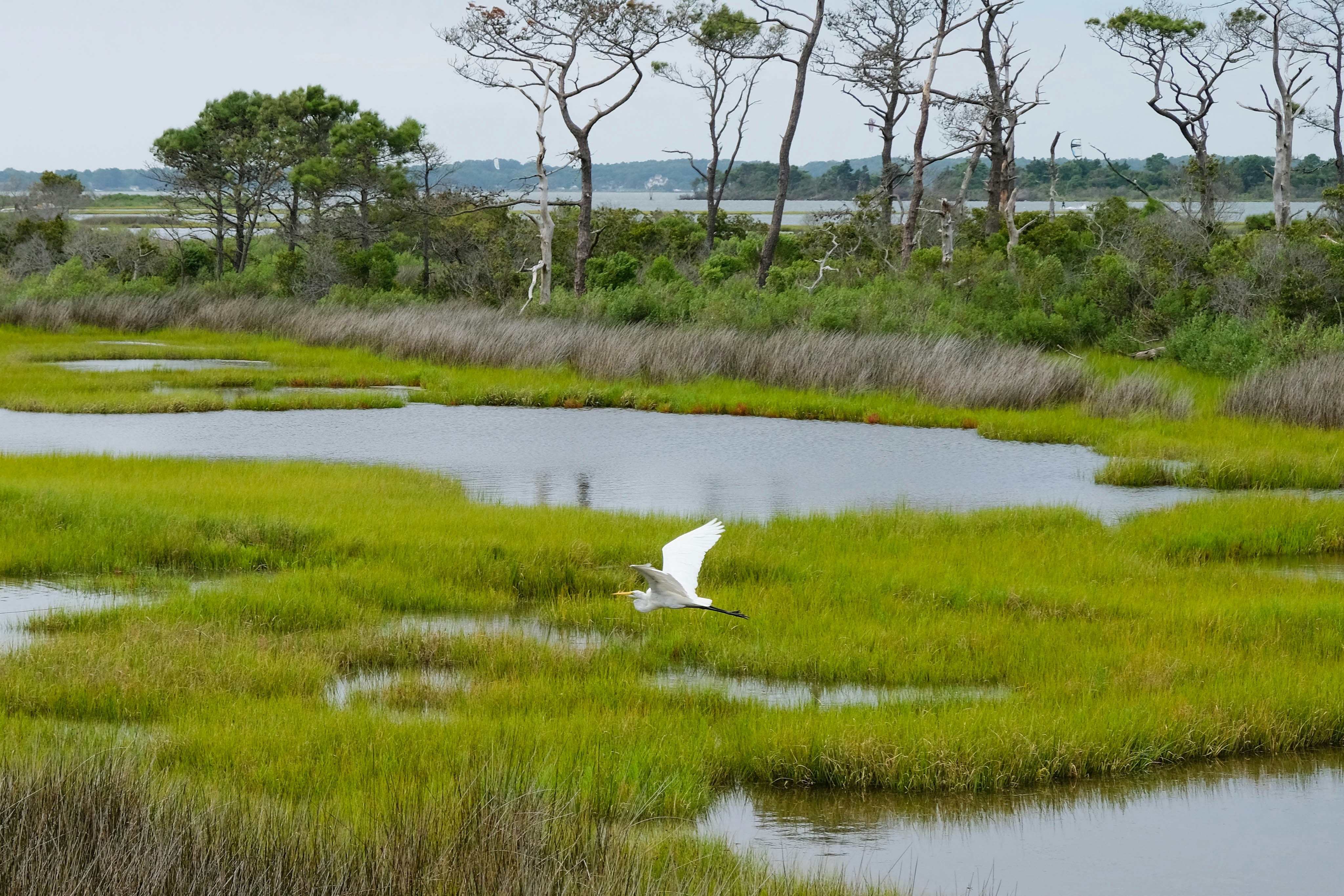
Rivers and wetlands combine moving water areas, floodable banks and dense vegetation that serves as shelter and breeding grounds.
Great availability of water and food, with both aquatic and terrestrial or semi-aquatic spaces.
Water quality is critical; sudden changes in pollution, temperature or flow quickly affect wildlife.
Many amphibians and reptiles depend on these environments to reproduce, completing part of their life cycle in water.
General parameters that many species of the Rivers and Wetlands habitat usually share.
Temperature range
18–26 °C
Remember to adapt these values to the specific needs of each species.
Relative humidity
Alta en zonas cercanas al agua
Ventilation and substrate type greatly influence the actual humidity of the microhabitat.
Typical regions
Rivers and lakes of America, Europe and Asia with moderate current.
General installation guidelines
Aquariums or paludariums with efficient filtration and well-defined water and land areas.
Example of temperature ranges throughout the day for the Rivers and Wetlands biome.
Interesting little facts about how the Rivers and Wetlands biome works.
General guidance for recreating the Rivers and Wetlands biome in terrariums, aquariums or similar facilities.
In captivity, river habitats are represented through aquariums or paludariums that combine moving water with terrestrial areas.
Very visually striking with many possibilities for aquatic landscaping (rocks, roots, plants).
They require good filtration, regular water changes and monitoring of parameters (ammonia, nitrites, nitrates).
Species from our catalog associated with the Rivers and Wetlands biome.
Small bottom-dwelling catfish, peaceful and very popular in community aquariums.
View profile →Small semi-aquatic toad with very striking red and black belly colors.
View profile →Aquatic turtle with very peculiar appearance, with rough shell and flattened, camouflaged head.
View profile →